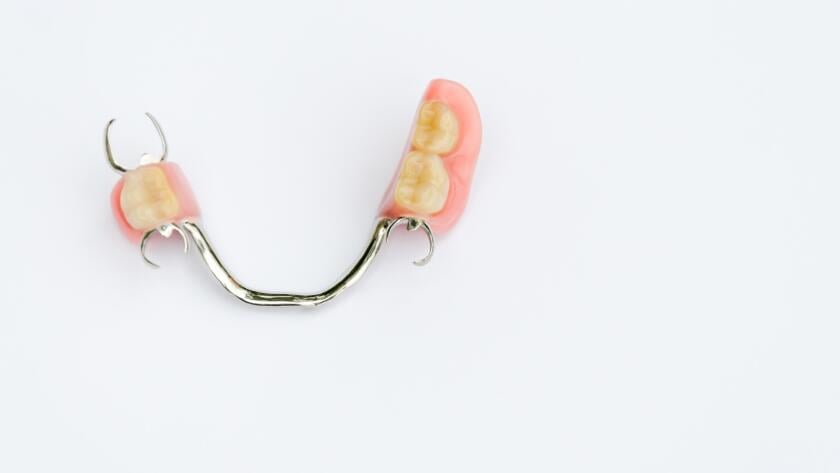
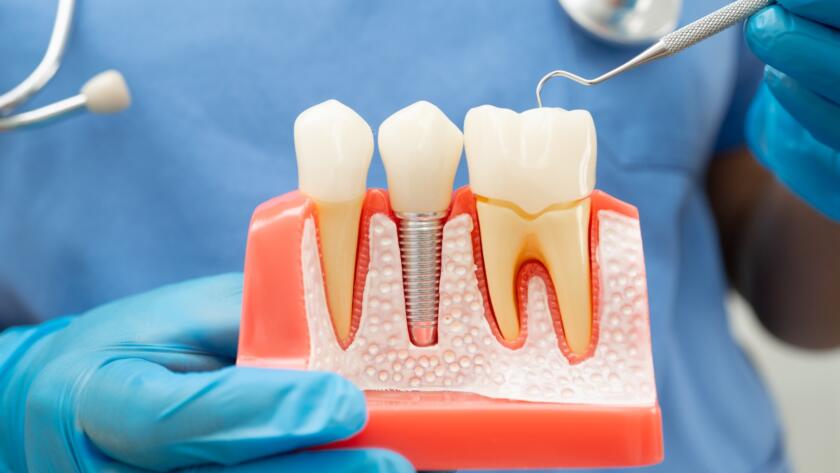
For a single missing tooth, dentists usually compare a single tooth dental implant and a removable partial denture. Both close the visible gap. The clinical decision is about tradeoffs: stability under bite forces,…
Dental implants have high long-term success rates, but failure does occur. Patients benefit from understanding why failures happen, who is at higher risk, and what reduces risk before and after placement.
What “Implant Failure” Means…
Bone Loss Changes Implant Options — Not Whether Replacement Is Possible
If you’ve been told you have bone loss in your jaw, it can sound like implants are no longer…
When several dental problems are found during an exam, it can feel overwhelming. Patients often ask:
What needs to be done first?
What can safely wait?
How do dentists decide…
Cost is one of the most common reasons people delay dental care. Patients often know treatment is recommended but feel unsure whether it is financially manageable. As a result, they…
Patients often notice that similar dental problems can come with very different treatment plans—and very different total costs—depending on the office, the dentist, or the timing of care. This can…
Many patients assume that having dental insurance means major dental work—like crowns, root canals, extractions, or implants—will be mostly covered. In practice, insurance often plays a limited role in major…
Tooth pain can escalate quickly—from mild discomfort to severe pain, swelling, or signs of infection. When that happens, many patients are unsure whether to go to urgent care or seek…
Can a Tooth Infection Spread?
Yes. A tooth infection can spread beyond the tooth and surrounding gum tissue if it is not treated. While some infections remain localized for a…