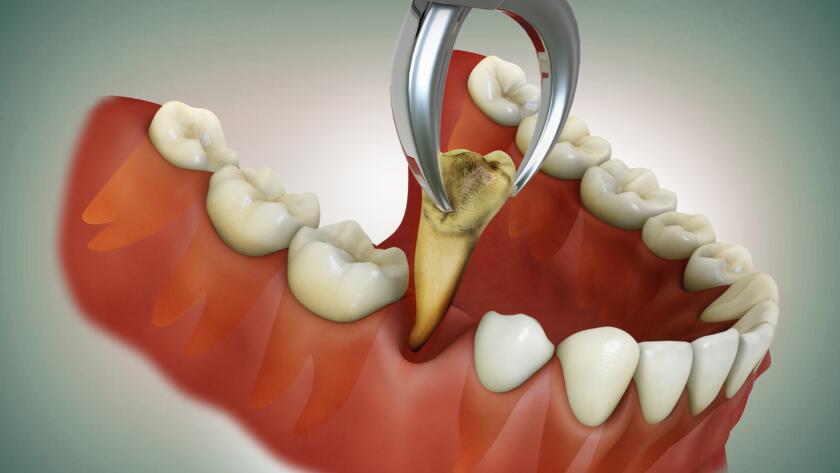
When a tooth is removed urgently—because of pain, infection, or damage—the immediate goal is to relieve the problem.
Once the tooth is out and the discomfort improves, it can feel like the situation is resolved.
In many cases, however, the extraction is only the first step. What happens next determines how that area heals—and what…
Dental problems don’t always happen at convenient times—and it’s not always clear whether something needs immediate attention or can wait.
If you’re dealing with pain, swelling, or a broken tooth, the key question is:
Should you contact an emergency dentist now, or is it safe to wait?
Understanding the difference helps you avoid unnecessary stress…
Sudden tooth sensitivity can feel alarming. One day everything is normal. The next, cold water or a breath of air causes a sharp jolt.
Sometimes the cause is minor and reversible. In other cases, new sensitivity is the first warning sign of a crack, cavity, or developing infection.
The key is understanding whether the nerve…
Tooth pain that becomes worse at night is not unusual — but it is rarely insignificant.
Many patients report that discomfort feels manageable during the day, yet becomes throbbing, persistent, or sleep-disrupting once they lie down. When pain intensifies at night, it often reflects increasing pressure or inflammation inside the tooth.
In most cases, nighttime…
Jaw pain can be unsettling. It may make chewing uncomfortable, limit how wide you can open your mouth, or radiate toward the ear or temple.
However, jaw pain is not always a true dental emergency.
The key question is not simply whether it hurts—but whether the underlying cause is urgent.
Common Causes of Jaw Pain…
Dental pain is not always constant.
Some dental problems cause steady discomfort. Others flare up, subside, and then return days or weeks later. When symptoms improve, it is common to assume the problem has resolved. In many cases, it has not.
Intermittent pain often reflects changing inflammation, shifting pressure, or evolving infection—not healing.
1. Inflammation…
If you feel pain when biting or notice new sensitivity, it is not always obvious whether the cause is a cavity or a crack.
Both conditions can produce similar symptoms. However, they involve very different structural problems — and require different treatment strategies.
Understanding how dentists distinguish between them can help you interpret your symptoms…
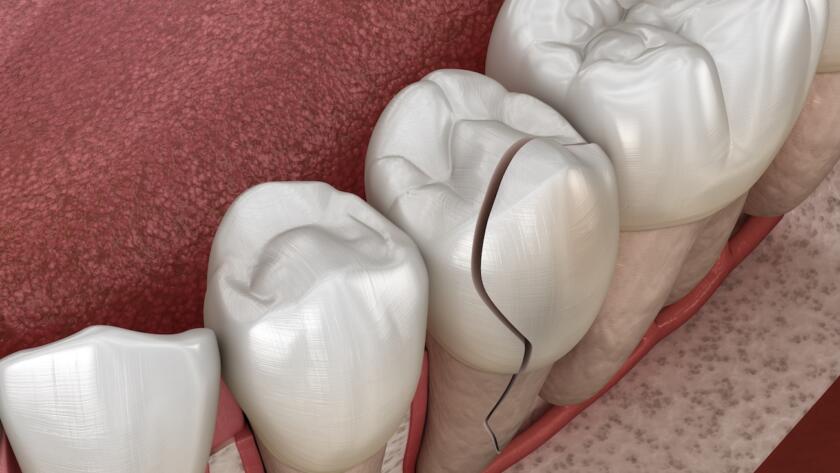
A cracked tooth does not always cause constant pain. Symptoms may be mild, intermittent, or triggered only when biting. Because the discomfort comes and goes, it is common to delay evaluation.
The risk is not the presence of discomfort. The risk is structural instability.
Once a crack forms, the tooth is permanently weakened. Chewing pressure,…
Tooth pain can escalate quickly—from mild discomfort to severe pain, swelling, or signs of infection. When that happens, many patients are unsure whether to go to urgent care or seek an emergency dentist. The right choice depends on what is causing the pain and what kind of treatment is required.
This guide explains what each…