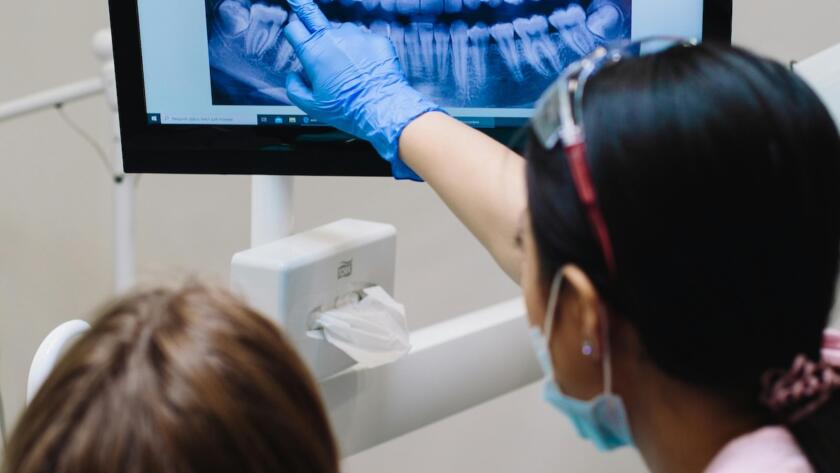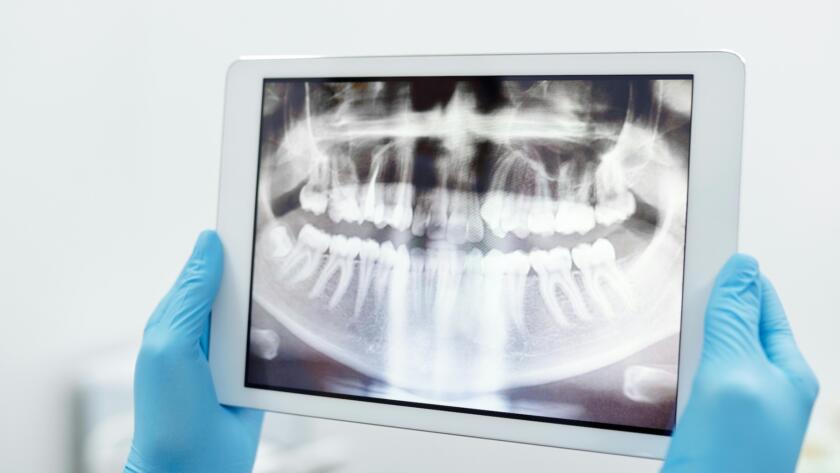
A tooth with a large filling can work well for many years. It may not hurt, feel loose, or seem damaged. Then one day, you may feel sharp pain when biting, notice cold sensitivity, or realize that part of the tooth has broken.
When this happens, many patients wonder why the tooth cracked if it…
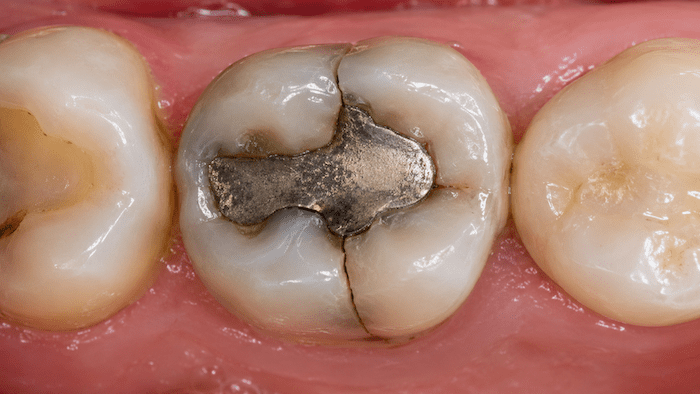
Before placing a dental implant, dentists need to determine whether the jawbone can support the implant safely and predictably over time.
Patients are sometimes told they “do not have enough bone” for an implant. In some situations, that is accurate. In others, the issue is more specific: the bone may be too narrow, too short,…
Most people choose a dentist when something is already wrong—pain, a broken tooth, or a problem that needs attention.
At that point, the goal is simple: fix the issue.
But the more important decision is what happens after that first visit. The dentist you continue with can influence:
how early problems are identified
how clearly…
Many patients expect dental treatment to be completed in a single appointment. When a dentist recommends several visits, it can feel surprising or inconvenient.
A common question patients ask is: “Why can’t this be done today?”
In reality, many dental problems are treated in stages for a reason. Spacing treatment over multiple visits often allows the…
Dental treatment planning is not identical at every stage of life.
While the goal of dentistry is always long-term oral health, the priorities that guide treatment decisions often shift as patients age. Dentists consider many factors when recommending treatment, including:
expected lifespan of the tooth or restoration
long-term structural stability
medical conditions that affect healing
the…
When a tooth is severely infected or structurally compromised, patients are typically presented with two main options: root canal therapy or extraction.
The decision is not based on pain level alone. Dentists evaluate structural integrity, infection extent, periodontal support, long-term prognosis, and restorative feasibility before recommending one path over the other.
This article explains how…
It can be confusing to hear that a tooth which previously “just needed monitoring” now requires more extensive treatment.
A small cavity may now need a crown. A cracked tooth that was stable may now be painful. A tooth once considered restorable may now have a poor long-term prognosis.
A tooth that was stable for…
If you feel pain when biting or notice new sensitivity, it is not always obvious whether the cause is a cavity or a crack.
Both conditions can produce similar symptoms. However, they involve very different structural problems — and require different treatment strategies.
Understanding how dentists distinguish between them can help you interpret your symptoms…
When several dental problems are found during an exam, it can feel overwhelming. Patients often ask:
What needs to be done first?
What can safely wait?
How do dentists decide what matters most right now?
Treatment planning is not about doing everything immediately. It is about sequencing care to control risk, prevent avoidable complications, and…