Cost is one of the most common reasons people delay dental care. Patients often know treatment is recommended but feel unsure whether it is financially manageable. As a result, they wait—hoping symptoms improve or that the issue will remain stable.
This article focuses specifically on delays driven by financial concerns. Delays due to clinical uncertainty or…

Patients often notice that similar dental problems can come with very different treatment plans—and very different total costs—depending on the office, the dentist, or the timing of care. This can feel inconsistent or arbitrary.
In reality, dental treatment costs vary because the underlying clinical situations vary, even when the diagnosis sounds the same. This guide…
Many patients assume that having dental insurance means major dental work—like crowns, root canals, extractions, or implants—will be mostly covered. In practice, insurance often plays a limited role in major treatment costs.
Understanding how dental insurance typically works can help you avoid surprises and plan more realistically for care.
How Dental Insurance Is Structured (In…
Many people expect dental visits to follow fixed time slots — especially when the procedure sounds routine. In reality, high-quality dental care is not a factory process. The time a visit takes depends on what your dentist finds, how your body responds, and whether new information changes what is safest to do.
Longer visits —…
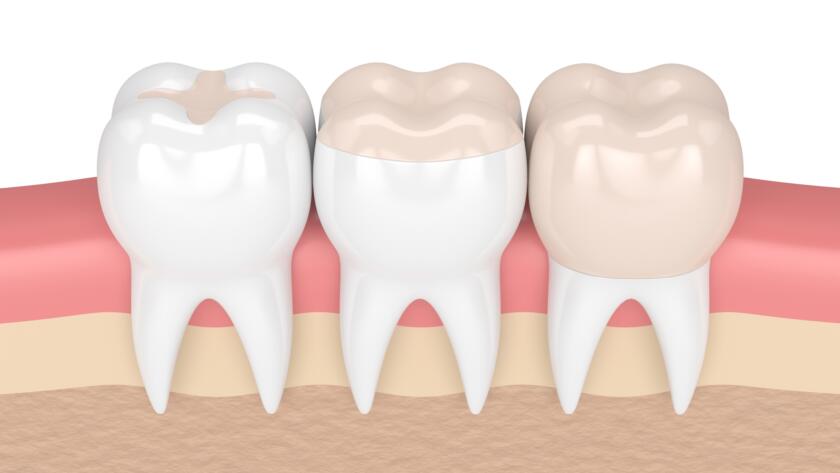
Most people are familiar with dental fillings. Many have heard of crowns. But when a dentist recommends an inlay, it might be the first time you've heard the term.
This article explains what an inlay is, when it’s used, and why it can make sense as a middle option between a filling and a crown.
What…
When a dentist recommends major treatment, it often follows an exam filled with unfamiliar terms, images, and recommendations. You may understand that treatment is needed, but still feel unclear about how urgent it is, what alternatives exist, or what it means for you long-term.
Before agreeing to major dental treatment, it’s reasonable to ask questions.…
If dental treatment has been recommended but described as “not urgent,” you may be unsure how long it’s reasonable to wait. Symptoms may be mild, come and go, or seem manageable, making it difficult to tell whether delaying treatment is harmless or could lead to more complicated problems later.
In dentistry, timing matters—but not every…
You may hear a dentist describe their approach as “conservative,” or you may be looking for a dentist who practices conservative dentistry. The term sounds reassuring, but it’s often misunderstood.
In dentistry, being conservative does not simply mean doing the least amount of treatment possible. It means choosing treatment that is appropriate, measured, and focused…
If you’ve received different treatment recommendations from two dentists, it can be confusing. You may wonder whether one of them is missing something, being overly aggressive, or simply seeing the situation differently.
In most cases, differing recommendations do not mean that one dentist is right and the other is wrong. They reflect how complex dental…