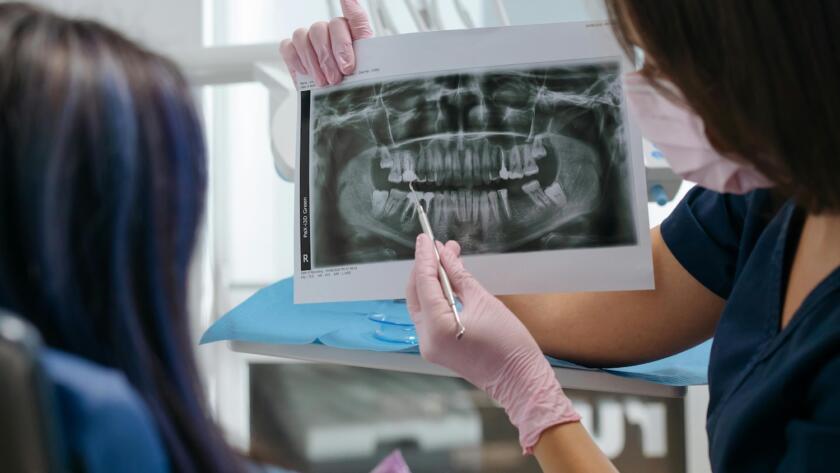
After a tooth is removed—or when one needs to be—many patients are not ready to decide on a dental implant right away.
That’s a normal position to be in.
In most cases, the situation is not urgent in the sense that a decision must be made immediately. But it also isn’t something that stays unchanged…
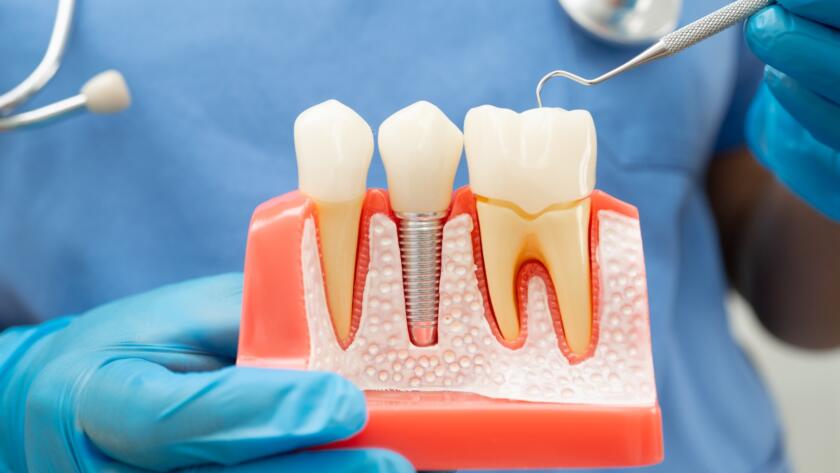
After dental implant placement, one of the most common practical questions is:
When can I eat normally again?
In most cases, patients begin with soft foods and gradually return to normal eating within about 1–2 weeks. The exact timing depends on the location of the implant and how healing progresses.
This article explains how eating changes…
What Is All-on-X?
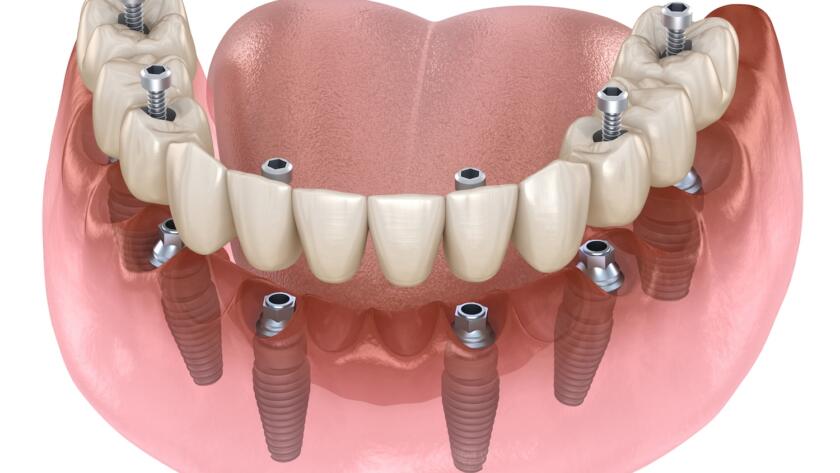
All-on-X is a method of replacing an entire upper or lower set of teeth with a fixed (non-removable) bridge supported by dental implants.
Instead of placing one implant per tooth, a small number of implants (often 4–6) are used to support a full arch of teeth.
The result is a stable, fixed set…
A common question when planning implant treatment is:
How long does dental implant surgery take?
The full dental implant process can take several months from start to finish. However, the actual procedure to place an implant is much shorter.
In many straightforward cases, placing a single dental implant takes about 30 to 60 minutes.
This article focuses…
After a tooth is removed, it is common to wonder whether replacement needs to happen right away—or whether it can wait.
In many cases, a short delay is reasonable. However, delaying without a clear plan can change what treatment is possible later.
The key issue is not simply whether you can wait, but what happens to the…
After a dental implant is placed, there is usually a period of time after the implant has already been placed and before the final tooth is attached.
For many patients, this is the least clearly understood part of the process. The implant is in place, discomfort has improved, and it may feel like…
Some dental implants can be placed and restored with a temporary tooth on the same day. This is often referred to as a “same-day implant.”
While this approach can reduce the number of steps in treatment, it is not appropriate in every situation. Whether it is recommended depends on specific clinical factors that affect stability…
When considering a dental implant, one of the most common questions is how long the process takes from beginning to end.
The answer depends on several factors, including bone quality, healing response, and whether additional procedures are needed. In many cases, the process takes a few months. In others, it may be shorter or longer…
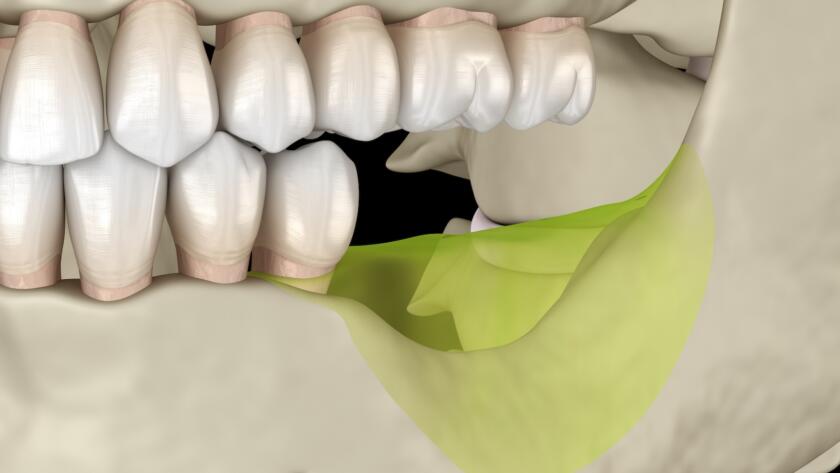
Dental implants depend on bone for stability.
If there is not enough healthy bone to support an implant, bone grafting may be recommended before or during implant placement.
This does not mean implants are not possible. It means the foundation needs to be rebuilt to improve long-term predictability.
Why Bone Is Critical for Implant Success…