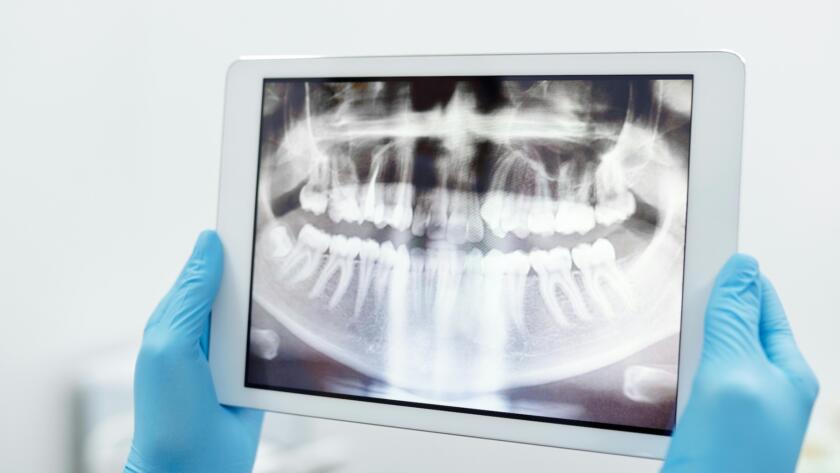
When a tooth is severely infected or structurally compromised, patients are typically presented with two main options: root canal therapy or extraction.
The decision is not based on pain level…
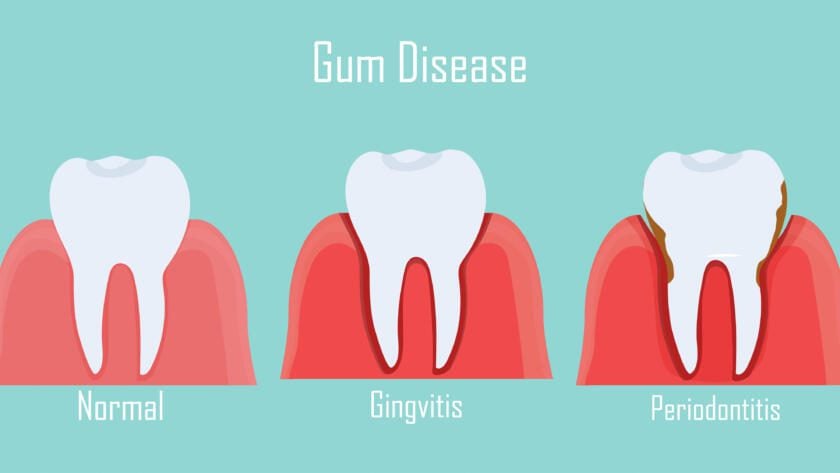
Many patients are told they have “gum disease” without fully understanding what that means.
Gum disease is not a single condition. It develops in stages. The two primary stages are gingivitis and periodontitis.…
When patients plan for crowns, bridges, implants, or full-mouth reconstruction, attention usually centers on the tooth being repaired.
Dentists begin somewhere else.
Before any major dental treatment, the health of…
It can be confusing to hear that a tooth which previously “just needed monitoring” now requires more extensive treatment.
A small cavity may now need a crown. A cracked tooth…
Tooth pain that becomes worse at night is not unusual — but it is rarely insignificant.
Many patients report that discomfort feels manageable during the day, yet becomes throbbing, persistent,…
Dental implants depend on bone for stability.
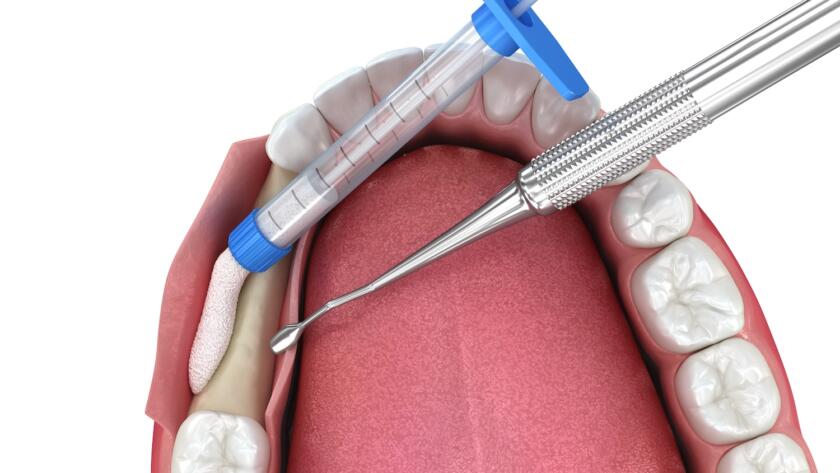
If there is not enough healthy bone to support an implant, bone grafting may be recommended before or during implant placement.
This does…
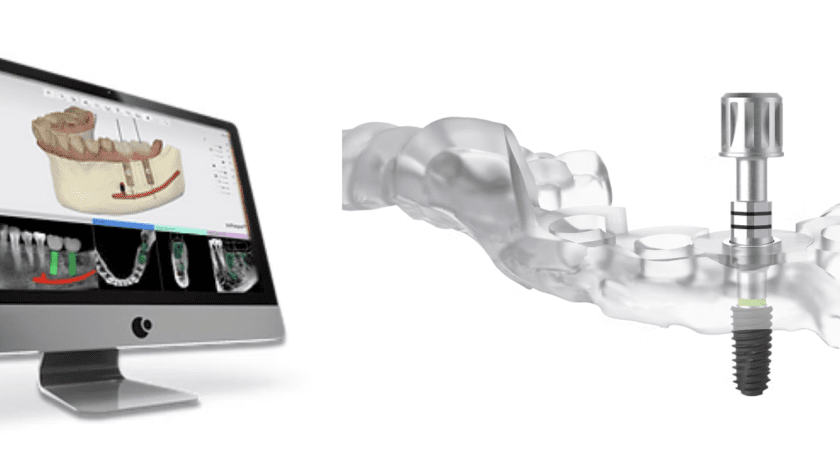
Implant Success Is Determined Before Surgery Begins
When patients think about dental implants, they often picture the surgical appointment. Clinically, however, the most important decisions occur during the planning phase.…
Jaw pain can be unsettling. It may make chewing uncomfortable, limit how wide you can open your mouth, or radiate toward the ear or temple.
However, jaw pain is not…
Dental pain is not always constant.
Some dental problems cause steady discomfort. Others flare up, subside, and then return days or weeks later. When symptoms improve, it is common to…