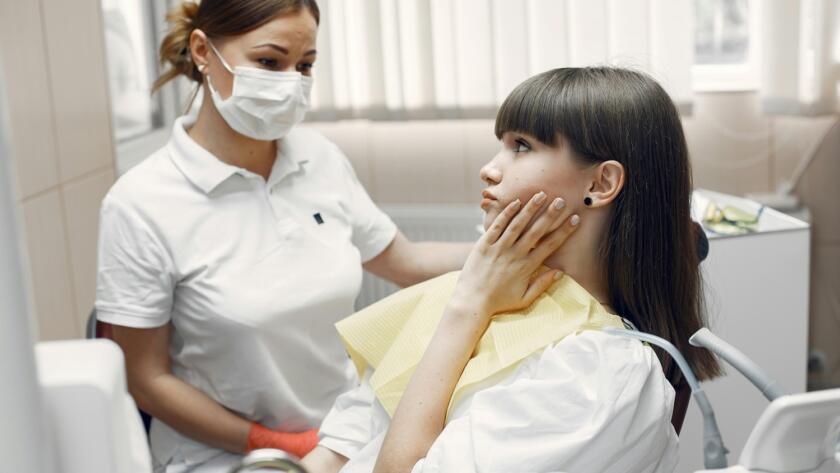
Many people go years without seeing a dentist. Common reasons include cost concerns, busy schedules, dental anxiety, or the belief that care isn’t necessary if nothing hurts.
The challenge is…
Pregnancy creates predictable hormonal changes that affect the gums and oral tissues. Increased vascular response and immune modulation can make the mouth more reactive to plaque and inflammation.
A common…
Teeth and gums do not stay the same throughout adulthood. Over time, normal wear, medical conditions, medications, and long-term function all influence oral health.
Some changes are gradual and manageable.…
If you feel pain when biting or notice new sensitivity, it is not always obvious whether the cause is a cavity or a crack.
Both conditions can produce similar symptoms.…
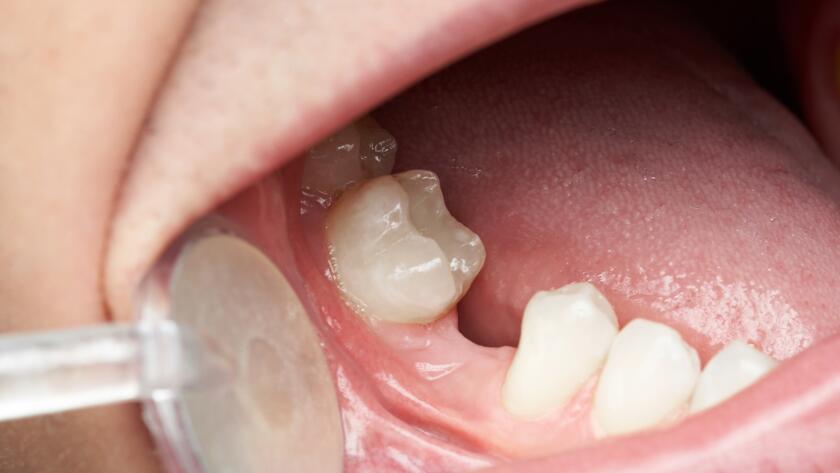
When a tooth is removed or lost, it is common to ask whether replacement is truly necessary—especially if the space is not visible and there is no pain.
In many…
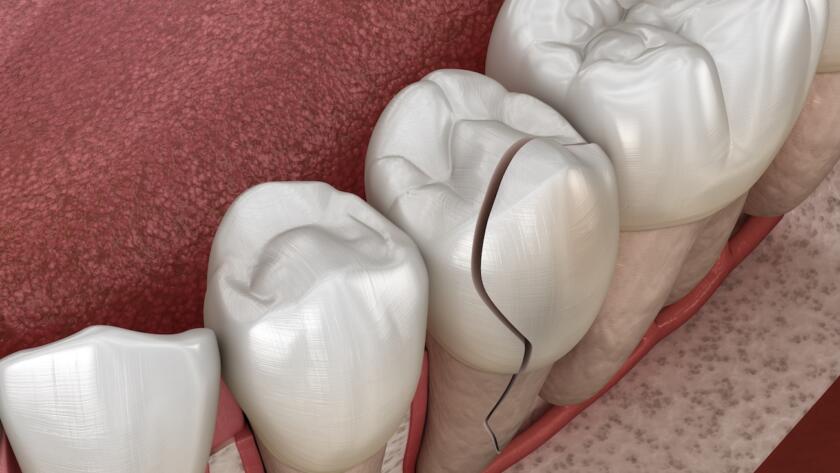
A cracked tooth does not always cause constant pain. Symptoms may be mild, intermittent, or triggered only when biting. Because the discomfort comes and goes, it is common to delay…
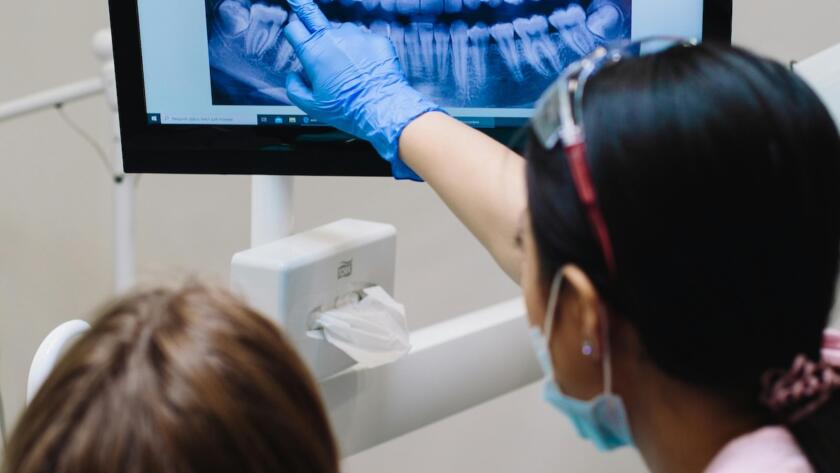
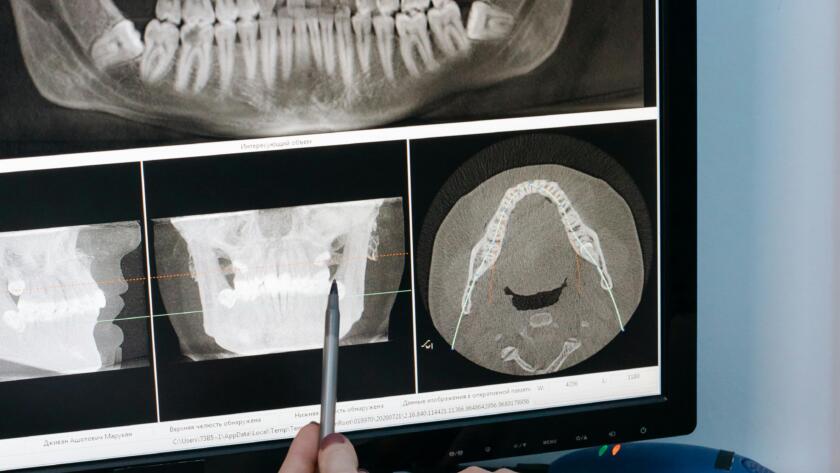
If your teeth feel fine and you are not experiencing pain, it may seem unnecessary to take dental X-rays.
However, many significant dental problems develop silently. Early decay, bone loss,…
Gum disease is often thought of as a localized dental issue—something that affects the gums, teeth, and bone in the mouth.
Clinically, however, it is more than that.
Gum disease…
Gum disease rarely starts with pain.
In its early stages, inflammation of the gums is often mild, painless, and easy to dismiss. Many patients assume what they are noticing is…