
Tooth pain is a warning signal. It can come from cavities, cracked teeth, infections, gum disease, or problems around existing dental work. Some causes worsen quickly if untreated. Others may be uncomfortable but stable for short periods.
Pain alone does not reliably indicate severity. Similar symptoms can reflect very different underlying problems. When in doubt, earlier evaluation reduces risk of complications.
When Waiting Briefly May Be Reasonable
A short delay (typically days, not weeks) may be reasonable only if symptoms are mild and improving:
- Brief sensitivity to cold or sweets that resolves quickly
- Mild soreness after recent dental treatment that improves daily
- Occasional discomfort with chewing that is not worsening
These situations still warrant scheduling an exam. Waiting is a short delay to arrange care, not a plan.
Signs You Should Not Wait
Contact a dentist promptly if any of the following are present:
- Pain lasting more than 24–48 hours or getting worse
- Swelling in the gums, face, or jaw
- Fever, fatigue, or feeling unwell
- Bad taste, pus, or drainage from the gum
- Sharp pain when biting down
- A cracked or broken tooth with pain
- Pain after a fall or blow to the mouth
Call 911 or go to the ER immediately if you have trouble breathing or swallowing, or rapidly spreading swelling of the face, jaw, or neck. These can be medical emergencies.
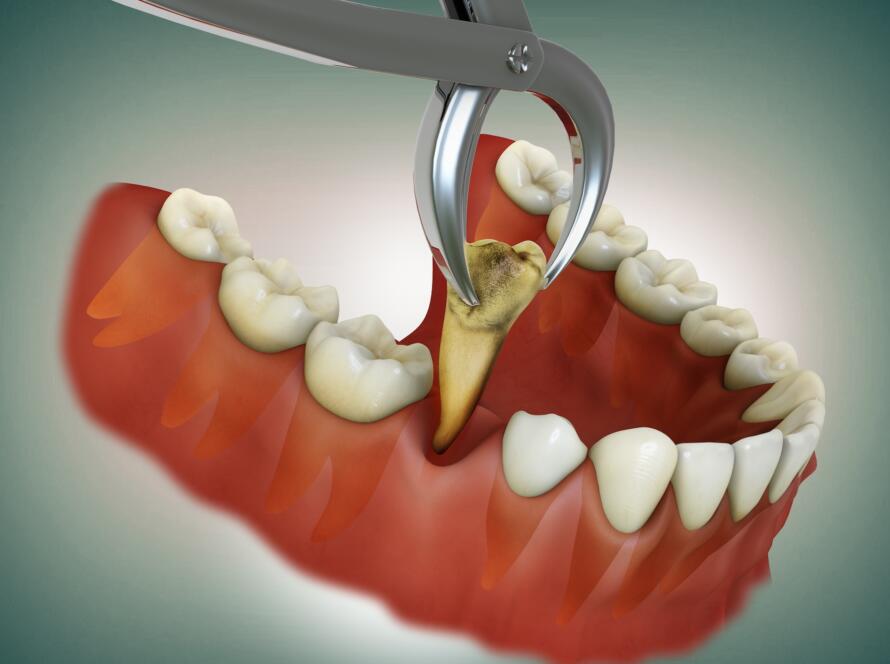
Delaying care can reduce the chance that the tooth can be predictably saved. Earlier evaluation may allow more treatment options, including root canal therapy in some cases, while severe structural damage, spreading infection, or poor long-term prognosis may lead to extraction.
What Can Happen If You Delay Care
Untreated dental problems tend to progress:
- Cavities can reach the nerve, increasing the likelihood of infection and more invasive treatment.
- Infections can extend into the jaw or surrounding tissues and cause visible swelling.
- Cracked teeth can worsen, reducing the chance the tooth can be preserved.
- Gum infections can contribute to bone loss around teeth.
Progression rates vary, but spontaneous resolution is uncommon.
When Tooth Pain Means the Tooth May Need Treatment
In many cases, tooth pain does not automatically mean the tooth needs to be removed. The first step is identifying whether the tooth can still be predictably saved.
If the nerve inside the tooth is inflamed or infected but the tooth structure and surrounding bone are still stable, treatment may involve root canal therapy followed by restoration of the tooth. The goal is to remove the source of infection or inflammation while preserving the tooth when long-term stability is reasonable.
If the tooth is badly cracked, severely broken down, has advanced bone loss, or cannot be restored predictably, tooth extraction may be recommended instead. In those cases, replacement options can be discussed after the source of pain or infection is addressed.
If the Pain Suddenly Stops, Is That a Good Sign?
Not necessarily. Pain that fades without treatment can indicate nerve damage. Infection may persist and later present with swelling or more severe symptoms. Absence of pain does not confirm resolution.
What You Can Do While Waiting for Your Appointment
These measures may reduce discomfort temporarily but do not treat the cause:
- Use over-the-counter pain medication as directed (if medically appropriate for you)
- Avoid chewing on the affected side
- Gently rinse with warm salt water
- Avoid applying heat to the face if swelling is present
If symptoms escalate, do not continue to wait.
When to Seek Emergency Dental Care
If pain is severe, swelling is visible, or symptoms are worsening—but you do not have airway symptoms—prompt dental evaluation is appropriate.
Call 911 or go to the nearest emergency room immediately if you have:
- Trouble breathing or swallowing
- Rapidly spreading swelling of the face, jaw, or neck
- Signs of a severe allergic reaction (e.g., swelling of lips/tongue, hives, difficulty breathing)
These situations should not wait for a dental appointment.
Bottom Line
Persistent or worsening tooth pain, swelling, fever, or drainage should not be delayed. Mild, improving symptoms may allow a brief delay while arranging care, but evaluation is still recommended.
If you’re dealing with tooth pain and aren’t sure whether to wait or be seen, this guide explains when to contact an emergency dentist in Carrollton and whether it’s safe to wait.
If the underlying problem involves infection or inflammation inside the tooth, root canal therapy may be considered when the tooth can still be predictably saved.
If the tooth is too damaged, unstable, or infected to preserve long term, removal may be recommended.