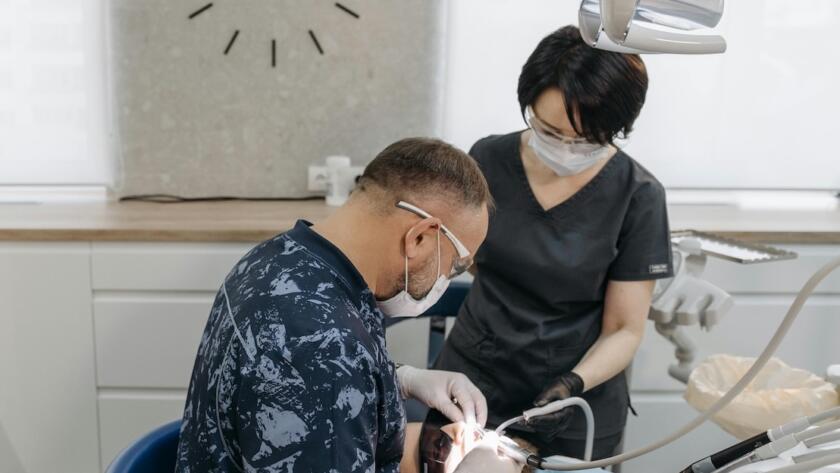
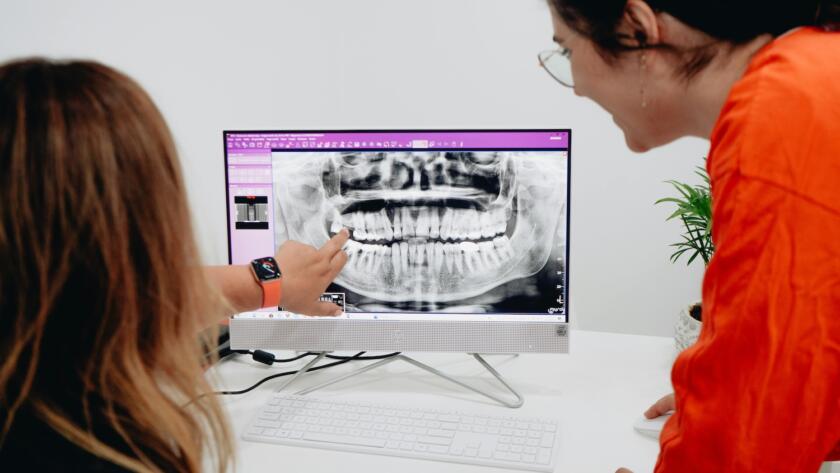
Most people are told to get dental cleanings “every six months.” That guideline is convenient, but it is not universal. The clinically appropriate interval depends on your gum health, disease…
Antibiotics Help Some Infections — But They Don’t Fix the Tooth
Many people assume a tooth infection is treated with antibiotics alone. In most cases, antibiotics can reduce the spread…
Facial swelling related to a tooth is not just a cosmetic concern. It can indicate infection or inflammation that may worsen without treatment. Some causes remain localized. Others can progress…
Many people expect dental visits to follow fixed time slots — especially when the procedure sounds routine. In reality, high-quality dental care is not a factory process. The time a…
Tooth pain is a warning signal. It can come from cavities, cracked teeth, infections, gum disease, or problems around existing dental work. Some causes worsen quickly if untreated. Others may…
If you’ve looked into dental implants, you’ve likely noticed that recommendations and quoted costs can vary widely between offices. This can feel confusing—especially when the “procedure” sounds the same on…
If your gums bleed when you brush or floss, it can be tempting to assume it’s normal—especially if it’s mild, painless, or something you’ve noticed for years.
It isn’t.
Bleeding…
If you’re missing a tooth and comparing replacement options, the two most common recommendations are dental implants and dental bridges. While both restore appearance and function, dentists evaluate them very differently. The recommendation…
After a tooth extraction, it’s normal to have questions about healing, discomfort, and what is considered typical versus concerning. While recovery varies from person to person, most extractions heal predictably…