Most people are told to get dental cleanings “every six months.” That guideline is convenient, but it is not universal. The clinically appropriate interval depends on your gum health, disease history, medical risk factors, and how quickly plaque and tartar accumulate for you.
This guide explains how cleaning frequency is determined, what counts as a…

Antibiotics Help Some Infections — But They Don’t Fix the Tooth
Many people assume a tooth infection is treated with antibiotics alone. In most cases, antibiotics can reduce the spread of bacteria or systemic symptoms, but they do not remove the source of infection inside the tooth or gums. Definitive dental treatment is what resolves the infection.…
Facial swelling related to a tooth is not just a cosmetic concern. It can indicate infection or inflammation that may worsen without treatment. Some causes remain localized. Others can progress into deeper spaces of the face or neck and become medically serious.
This guide explains what facial swelling from a tooth usually means, when it…
Many people expect dental visits to follow fixed time slots — especially when the procedure sounds routine. In reality, high-quality dental care is not a factory process. The time a visit takes depends on what your dentist finds, how your body responds, and whether new information changes what is safest to do.
Longer visits —…
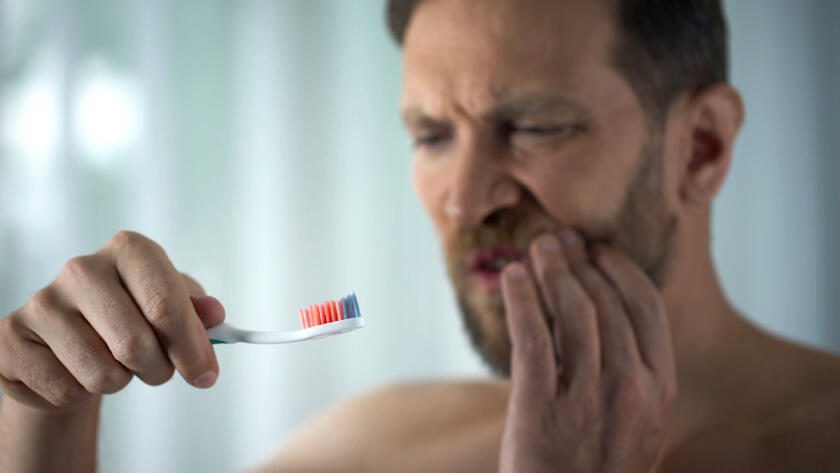
Tooth pain is a warning signal. It can come from cavities, cracked teeth, infections, gum disease, or problems around existing dental work. Some causes worsen quickly if untreated. Others may be uncomfortable but stable for short periods.
Pain alone does not reliably indicate severity. Similar symptoms can reflect very different underlying problems. When in doubt,…
If you’ve looked into dental implants, you’ve likely noticed that recommendations and quoted costs can vary widely between offices. This can feel confusing—especially when the “procedure” sounds the same on the surface.
In reality, an implant plan is not a single, standardized product. What patients are comparing between offices is often a different scope of care,…
If your gums bleed when you brush or floss, it can be tempting to assume it’s normal—especially if it’s mild, painless, or something you’ve noticed for years.
It isn’t.
Bleeding gums are one of the earliest and most reliable signs of gum inflammation. In most cases, that inflammation is caused by bacterial plaque accumulating along…
If you’re missing a tooth and comparing replacement options, the two most common recommendations are dental implants and dental bridges. While both restore appearance and function, dentists evaluate them very differently. The recommendation is based on biology, long-term predictability, and the condition of the surrounding teeth—not simply convenience.
This guide explains how dentists compare implants and bridges so…
After a tooth extraction, it’s normal to have questions about healing, discomfort, and what is considered typical versus concerning. While recovery varies from person to person, most extractions heal predictably when the area is protected and allowed to recover naturally.
This page provides general information about what people commonly experience after a tooth extraction. It does…