Tooth loss in adults is rarely sudden. In most cases, it is the final stage of a slow process involving bacterial buildup, chronic inflammation, and gradual bone destruction.
Routine dental cleanings are designed to interrupt that process before structural damage becomes irreversible.
This article explains the biological mechanism behind tooth loss and how preventive care…
Sudden tooth sensitivity can feel alarming. One day everything is normal. The next, cold water or a breath of air causes a sharp jolt.
Sometimes the cause is minor and reversible. In other cases, new sensitivity is the first warning sign of a crack, cavity, or developing infection.
The key is understanding whether the nerve…
When a tooth is severely infected or structurally compromised, patients are typically presented with two main options: root canal therapy or extraction.
The decision is not based on pain level alone. Dentists evaluate structural integrity, infection extent, periodontal support, long-term prognosis, and restorative feasibility before recommending one path over the other.
This article explains how…
Many patients are told they have “gum disease” without fully understanding what that means.
Gum disease is not a single condition. It develops in stages. The two primary stages are gingivitis and periodontitis.
The difference between them determines whether the condition is reversible — or whether permanent damage has already begun.
What Is Gingivitis?
Gingivitis is the earliest…
When patients plan for crowns, bridges, implants, or full-mouth reconstruction, attention usually centers on the tooth being repaired.
Dentists begin somewhere else.
Before any major dental treatment, the health of the gums and supporting bone must be evaluated. These tissues determine whether restorative work will remain stable for years — or fail prematurely.
Gum health…
It can feel unsettling to hear that a tooth which once “just needed monitoring” now requires treatment.
A small filling becomes a crown. A cracked tooth that was stable is now symptomatic. A tooth once considered restorable is now recommended for extraction.
In most cases, this is not about inconsistency. It is about progression.
Dental…
Tooth pain that becomes worse at night is not unusual — but it is rarely insignificant.
Many patients report that discomfort feels manageable during the day, yet becomes throbbing, persistent, or sleep-disrupting once they lie down. When pain intensifies at night, it often reflects increasing pressure or inflammation inside the tooth.
In most cases, nighttime…
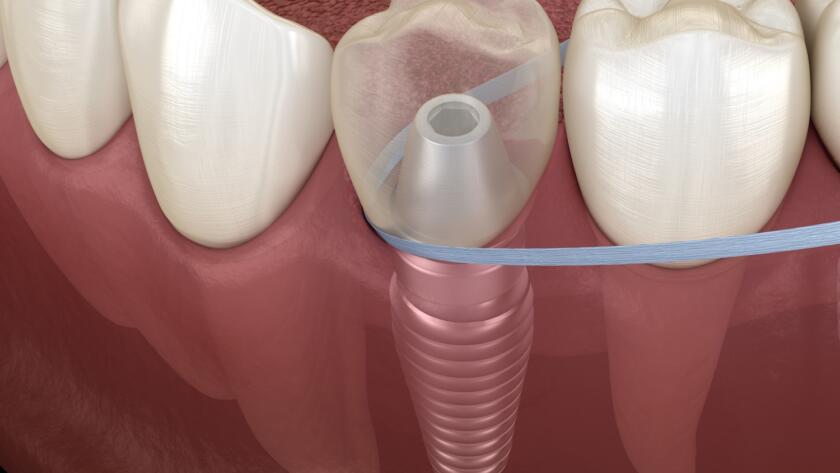
Dental implants depend on bone for stability.
If there is not enough healthy bone to support an implant, bone grafting may be recommended before or during implant placement.
This does not mean implants are not possible. It means the foundation needs to be rebuilt to improve long-term predictability.
Why Bone Is Critical for Implant Success…
Implant Success Is Determined Before Surgery Begins
When patients think about dental implants, they often picture the surgical appointment. Clinically, however, the most important decisions occur during the planning phase.
Implants are long-term restorations intended to function for decades. Their success depends not only on surgical technique, but on precise evaluation of bone anatomy, nerve…