Jaw pain can be unsettling. It may make chewing uncomfortable, limit how wide you can open your mouth, or radiate toward the ear or temple.
However, jaw pain is not always a true dental emergency.
The key question is not simply whether it hurts—but whether the underlying cause is urgent.
Common Causes of Jaw Pain…
Dental pain is not always constant.
Some dental problems cause steady discomfort. Others flare up, subside, and then return days or weeks later. When symptoms improve, it is common to assume the problem has resolved. In many cases, it has not.
Intermittent pain often reflects changing inflammation, shifting pressure, or evolving infection—not healing.
1. Inflammation…
Many people go years without seeing a dentist. Common reasons include cost concerns, busy schedules, dental anxiety, or the belief that care isn’t necessary if nothing hurts.
The challenge is that most dental disease progresses quietly. By the time discomfort appears, the condition is often more advanced.
Here is what typically happens when routine dental…
Pregnancy creates predictable hormonal changes that affect the gums and oral tissues. Increased vascular response and immune modulation can make the mouth more reactive to plaque and inflammation.
A common misconception is that dental care should be avoided during pregnancy. In reality, preventive care is generally recommended, and necessary treatment is often safer than delaying…
Teeth and gums do not stay the same throughout adulthood. Over time, normal wear, medical conditions, medications, and long-term function all influence oral health.
Some changes are gradual and manageable. Others increase risk if they are not monitored carefully. Understanding how teeth and gums change with age helps protect long-term stability and avoid preventable complications.…
If you feel pain when biting or notice new sensitivity, it is not always obvious whether the cause is a cavity or a crack.
Both conditions can produce similar symptoms. However, they involve very different structural problems — and require different treatment strategies.
Understanding how dentists distinguish between them can help you interpret your symptoms…
When a tooth is removed or lost, it is common to ask whether replacement is truly necessary—especially if the space is not visible and there is no pain.
In many cases, the consequences are gradual rather than immediate. The concern is not discomfort. It is long-term structural change.
Most missing teeth result from prior extraction…
A cracked tooth does not always cause constant pain. Symptoms may be mild, intermittent, or triggered only when biting. Because the discomfort comes and goes, it is common to delay evaluation.
The risk is not the presence of discomfort. The risk is structural instability.
Once a crack forms, the tooth is permanently weakened. Chewing pressure,…
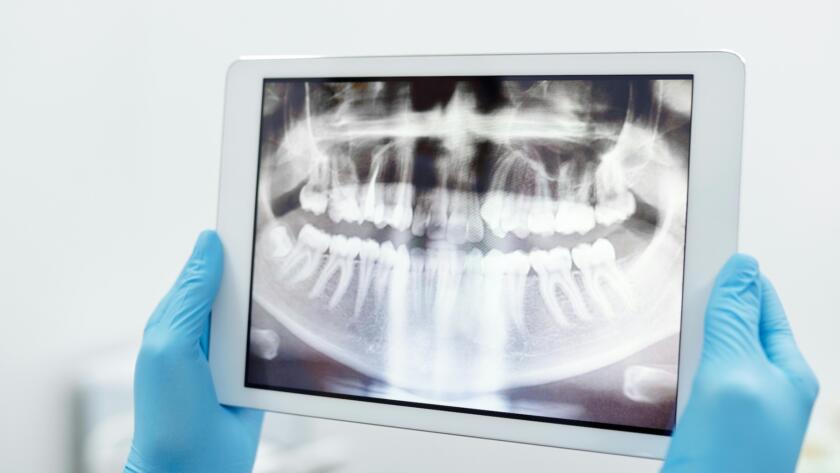
If your teeth feel fine and you are not experiencing pain, it may seem unnecessary to take dental X-rays.
However, many significant dental problems develop silently. Early decay, bone loss, and infection rarely cause discomfort at first. When symptoms finally appear, treatment is often more involved.
Dental X-rays allow evaluation of areas that cannot be…