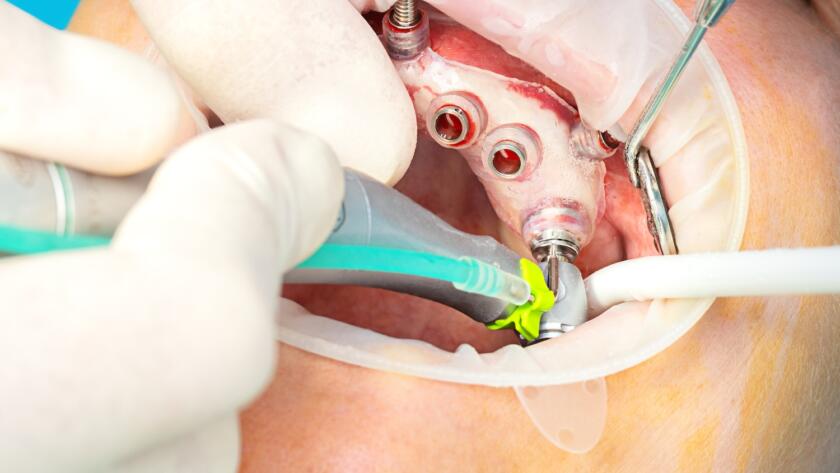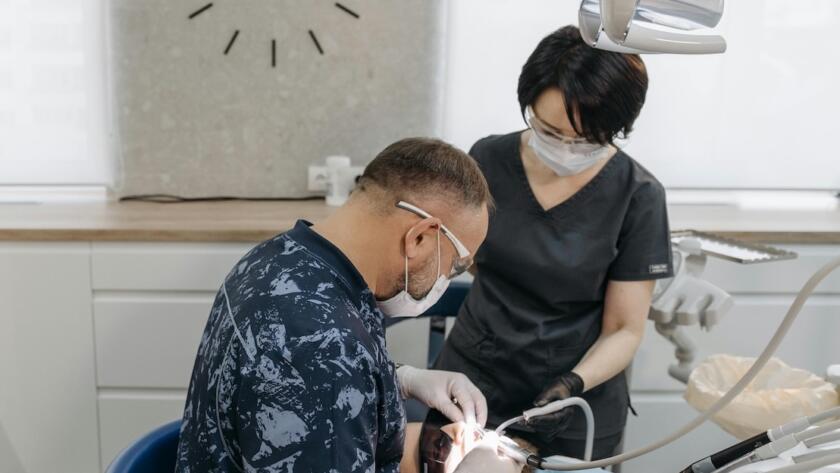
One of the most common questions before implant treatment is simple:
Does getting a dental implant hurt?
In most cases, patients do not feel pain during the procedure. The area is fully numb, and the experience is typically described as pressure or vibration rather than discomfort.
This article focuses specifically on what the procedure feels like during placement.…
After a dental implant is placed, there is usually a period of time after the implant has already been placed and before the final tooth is attached.
For many patients, this is the least clearly understood part of the process. The implant is in place, discomfort has improved, and it may feel like…
Some dental implants can be placed and restored with a temporary tooth on the same day. This is often referred to as a “same-day implant.”
While this approach can reduce the number of steps in treatment, it is not appropriate in every situation. Whether it is recommended depends on specific clinical factors that affect stability…
When considering a dental implant, one of the most common questions is how long the process takes from beginning to end.
The answer depends on several factors, including bone quality, healing response, and whether additional procedures are needed. In many cases, the process takes a few months. In others, it may be shorter or longer…
Many people assume that once a crown, bridge, or dental implant is placed, the problem has been permanently solved.
In reality, major dental treatment often makes ongoing preventive care even more important.
Dental restorations repair damaged teeth and restore function, but they still rely on the same biological support system as natural teeth: healthy gums, stable…
Many patients expect dental treatment to be completed in a single appointment. When a dentist recommends several visits, it can feel surprising or inconvenient.
A common question patients ask is: “Why can’t this be done today?”
In reality, many dental problems are treated in stages for a reason. Spacing treatment over multiple visits often allows the…
Dental implants are designed to be a long-term solution for replacing missing teeth. When properly planned and placed, implants can remain stable and functional for decades.
However, implants still require ongoing care. The implant itself cannot decay, but the gum tissue and bone that support the implant must remain healthy.
Understanding how implants are maintained helps…
Dental treatment planning is not identical at every stage of life.
While the goal of dentistry is always long-term oral health, the priorities that guide treatment decisions often shift as patients age. Dentists consider many factors when recommending treatment, including:
expected lifespan of the tooth or restoration
long-term structural stability
medical conditions that affect healing
the…
Medical conditions do not automatically prevent dental treatment. They do, however, influence how treatment is planned, timed, and delivered. A thorough medical review allows care to be adjusted appropriately and safely.
For many adults—particularly those returning after a long gap in care—this step is essential before recommending procedures.
Why Medical History Directly Affects Dental Decisions…