If your gums bleed when you brush or floss, it can be tempting to assume it’s normal—especially if it’s mild, painless, or something you’ve noticed for years.
It isn’t.
Bleeding…
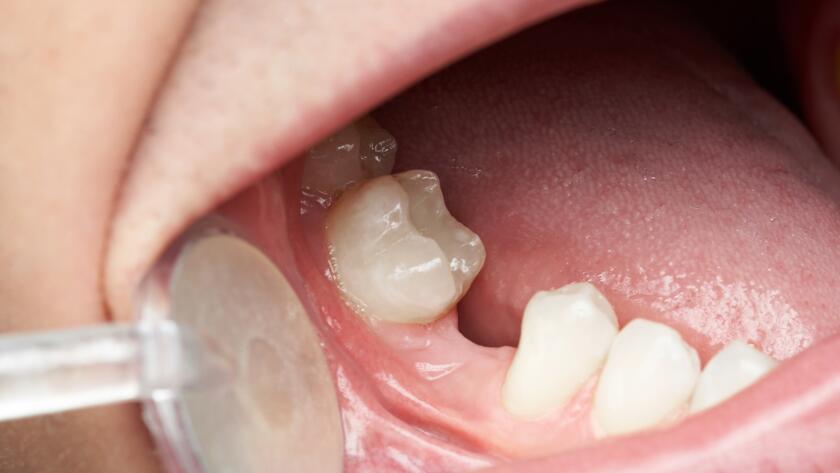
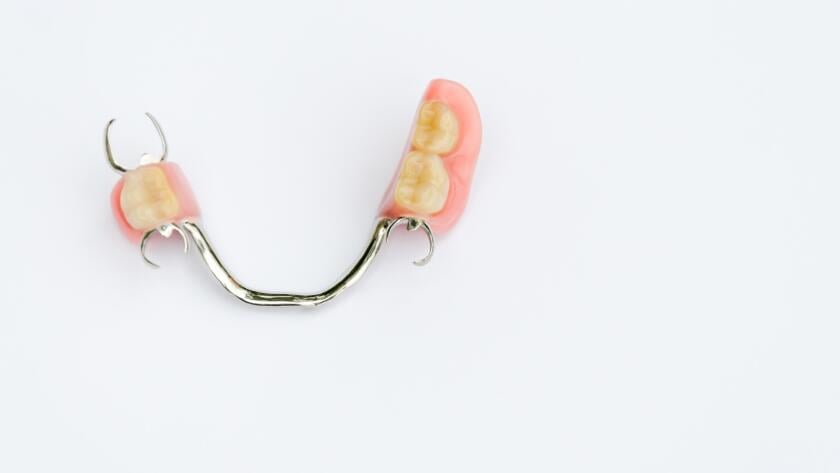
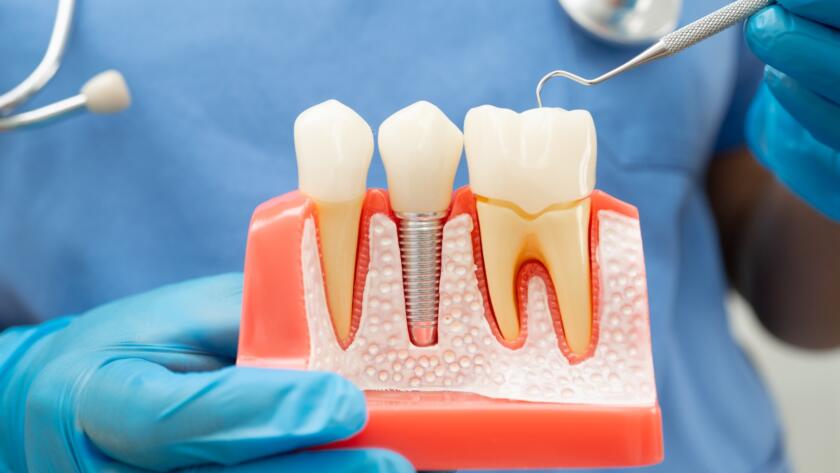
f you’re missing a tooth and comparing replacement options, the two most common recommendations are dental implants and dental bridges. While both restore appearance and function, dentists evaluate them very differently. The recommendation…
After a tooth extraction, it’s normal to have questions about healing, discomfort, and what is considered typical versus concerning. While recovery varies from person to person, most extractions heal predictably…
Dental implants are one of the most reliable ways to replace missing teeth—but they are not the right solution for every patient or every situation. Implant candidacy depends on anatomy,…
Dental implants are often described as a long-term solution for missing teeth. But their longevity depends less on the implant itself and more on how it is planned, placed, restored,…
Dental implant placement is a surgical procedure, and recovery is a normal part of the process. What often creates uncertainty is not the recovery itself, but the wide range of…
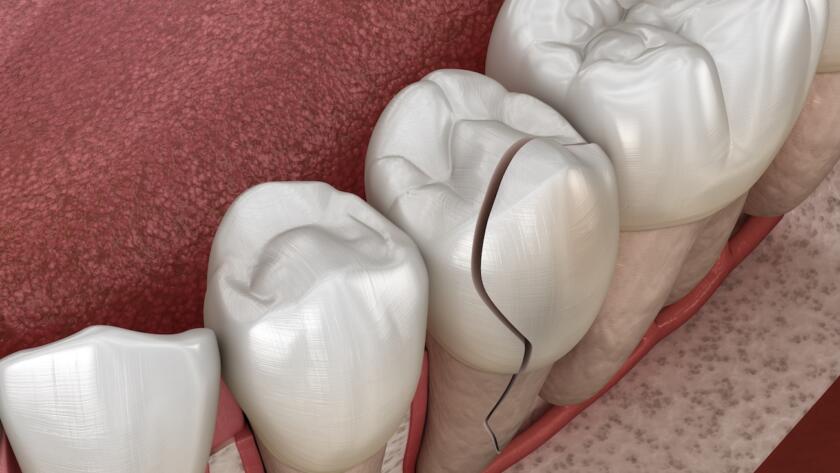
If you’ve been told that a tooth cannot be saved, the recommendation can feel abrupt—especially if the tooth doesn’t hurt much or still looks intact. Many patients assume that as…
Wisdom Tooth Discomfort Is Common — Infection Requires Closer Attention
Wisdom teeth often cause discomfort, especially when they are erupting, partially erupted, or difficult to clean. Not all wisdom tooth…
Dental Pain Is a Signal, Not the Problem Itself
Dental pain rarely appears without a reason. It is usually a signal that something has changed—inside a tooth, around the gums,…
After Treatment, Care Doesn’t End at the Appointment
After dental treatment, most patients have similar questions: What happens next? Will I need another visit? What is normal during healing—and what…
If you have been told you might need sedation for dental treatment, you may be wondering what that actually means. You might be concerned about safety, side effects, or whether…
When a Dental Infection Can No Longer Wait
A tooth infection does not always begin as an emergency. Early symptoms may be mild or intermittent, making it tempting to wait…
Dental anxiety is common. Some patients feel mild uneasiness before an appointment, while others delay care for years due to fear, past experiences, or concerns about pain or control. Modern…
Most people are familiar with dental fillings. Many have heard of crowns. But when a dentist recommends an inlay, it might be the first time you've heard the term.
This article…
A lot of people don’t stick with just one dental office—and that’s understandable.
You might go to one place for a big procedure, another for cleanings, or only come in…
When choosing a dentist, patients often ask whether there is a difference between private dental practices and dental chains. The answer depends less on which model is “better” and more on what you…
A dental consultation is typically the first structured appointment focused on understanding your oral health and determining appropriate next steps. While every patient’s situation is different, most consultations follow a…
If you’re visiting a dental office for the first time—or returning after a long gap—it’s common to have questions about how the appointment will work. You may wonder whether treatment…
When a dentist recommends major treatment, it often follows an exam filled with unfamiliar terms, images, and recommendations. You may understand that treatment is needed, but still feel unclear about…
If dental treatment has been recommended but described as “not urgent,” you may be unsure how long it’s reasonable to wait. Symptoms may be mild, come and go, or seem…
You may hear a dentist describe their approach as “conservative,” or you may be looking for a dentist who practices conservative dentistry. The term sounds reassuring, but it’s often misunderstood.…
If you’ve received different treatment recommendations from two dentists, it can be confusing. You may wonder whether one of them is missing something, being overly aggressive, or simply seeing the…
If a dentist tells you that a tooth may need to be removed, it can be surprising—especially if it doesn’t hurt much or look badly damaged. You may wonder why…
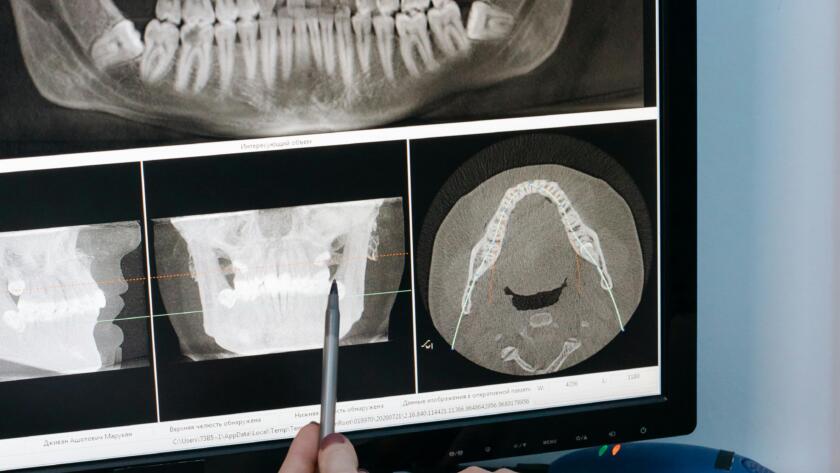
Dental implant success depends on more than the implant itself—it depends on how precisely it is placed. In many cases, guided implant surgery is used to improve accuracy, safety, and long-term…