
Bone Loss Changes Implant Options — Not Whether Replacement Is Possible
If you’ve been told you have bone loss in your jaw, it can sound like implants are no longer an option. In practice, bone loss mainly changes which implant approaches are appropriate and how treatment is staged. The correct plan depends on how much bone is missing,…
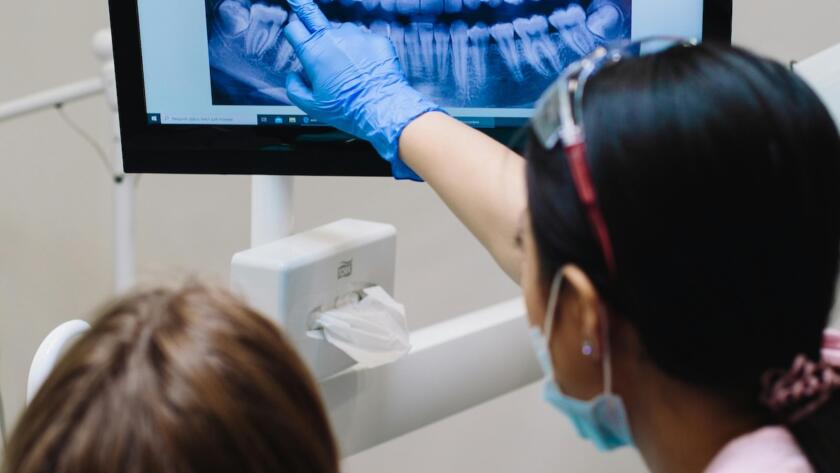
When several dental problems are found during an exam, it can feel overwhelming. Patients often ask:
What needs to be done first?
What can safely wait?
How do dentists decide what matters most right now?
Treatment planning is not about doing everything immediately. It is about sequencing care to control risk, prevent avoidable complications, and…
Cost is one of the most common reasons people delay dental care. Patients often know treatment is recommended but feel unsure whether it is financially manageable. As a result, they wait—hoping symptoms improve or that the issue will remain stable.
This article focuses specifically on delays driven by financial concerns. Delays due to clinical uncertainty or…
Patients often notice that similar dental problems can come with very different treatment plans—and very different total costs—depending on the office, the dentist, or the timing of care. This can feel inconsistent or arbitrary.
In reality, dental treatment costs vary because the underlying clinical situations vary, even when the diagnosis sounds the same. This guide…
Many patients assume that having dental insurance means major dental work—like crowns, root canals, extractions, or implants—will be mostly covered. In practice, insurance often plays a limited role in major treatment costs.
Understanding how dental insurance typically works can help you avoid surprises and plan more realistically for care.
How Dental Insurance Is Structured (In…
Tooth pain can escalate quickly—from mild discomfort to severe pain, swelling, or signs of infection. When that happens, many patients are unsure whether to go to urgent care or seek an emergency dentist. The right choice depends on what is causing the pain and what kind of treatment is required.
This guide explains what each…
Can a Tooth Infection Spread?
Yes. A tooth infection can spread beyond the tooth and surrounding gum tissue if it is not treated. While some infections remain localized for a period of time, others extend into nearby bone, facial spaces, the sinuses, or—rarely—the bloodstream.
The progression is unpredictable. Infections that appear mild can worsen quickly,…
Scaling and root planing (or SRP, often called a “deep cleaning”) is a common treatment for gum disease. Despite the name, SRP is not simply a more thorough version of a regular dental cleaning. It is treatment for bacterial infection below the gumline.
Understanding what SRP does — and what it does not complete on…
Dental cleanings are often described as “routine,” but that label hides what they actually do—and what they cannot do.
Some patients expect a cleaning to fix problems that already exist. Others assume that if nothing hurts, cleanings are optional. Both assumptions lead to delayed treatment and preventable damage.
This article explains what professional dental cleanings…