When patients plan for crowns, bridges, implants, or full-mouth reconstruction, attention usually centers on the tooth being repaired.
Dentists begin somewhere else.
Before any major dental treatment, the health of the gums and supporting bone must be evaluated. These tissues determine whether restorative work will remain stable for years — or fail prematurely.
Gum health…
It can feel unsettling to hear that a tooth which once “just needed monitoring” now requires treatment.
A small filling becomes a crown. A cracked tooth that was stable is now symptomatic. A tooth once considered restorable is now recommended for extraction.
In most cases, this is not about inconsistency. It is about progression.
Dental…
Tooth pain that becomes worse at night is not unusual — but it is rarely insignificant.
Many patients report that discomfort feels manageable during the day, yet becomes throbbing, persistent, or sleep-disrupting once they lie down. When pain intensifies at night, it often reflects increasing pressure or inflammation inside the tooth.
In most cases, nighttime…
Dental implants depend on bone for stability.
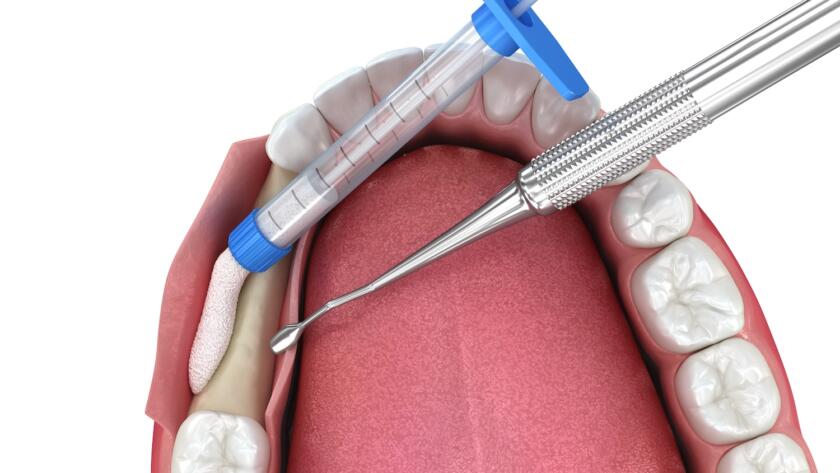
If there is not enough healthy bone to support an implant, bone grafting may be recommended before or during implant placement.
This does not mean implants are not possible. It means the foundation needs to be rebuilt to improve long-term predictability.
Why Bone Is Critical for Implant Success…
Implant Success Is Determined Before Surgery Begins
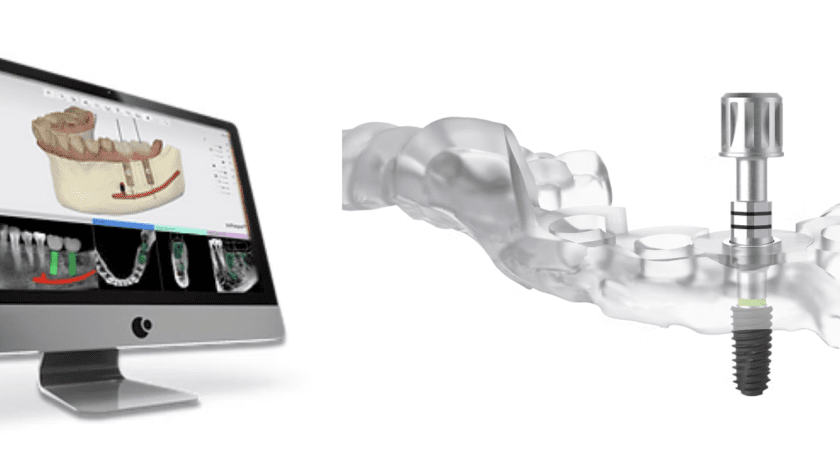
When patients think about dental implants, they often picture the surgical appointment. Clinically, however, the most important decisions occur during the planning phase.
Implants are long-term restorations intended to function for decades. Their success depends not only on surgical technique, but on precise evaluation of bone anatomy, nerve…
Jaw pain can be unsettling. It may make chewing uncomfortable, limit how wide you can open your mouth, or radiate toward the ear or temple.
However, jaw pain is not always a true dental emergency.
The key question is not simply whether it hurts—but whether the underlying cause is urgent.
Common Causes of Jaw Pain…
Dental pain is not always constant.
Some dental problems cause steady discomfort. Others flare up, subside, and then return days or weeks later. When symptoms improve, it is common to assume the problem has resolved. In many cases, it has not.
Intermittent pain often reflects changing inflammation, shifting pressure, or evolving infection—not healing.
1. Inflammation…
Many people go years without seeing a dentist. Common reasons include cost concerns, busy schedules, dental anxiety, or the belief that care isn’t necessary if nothing hurts.
The challenge is that most dental disease progresses quietly. By the time discomfort appears, the condition is often more advanced.
Here is what typically happens when routine dental…
Pregnancy creates predictable hormonal changes that affect the gums and oral tissues. Increased vascular response and immune modulation can make the mouth more reactive to plaque and inflammation.
A common misconception is that dental care should be avoided during pregnancy. In reality, preventive care is generally recommended, and necessary treatment is often safer than delaying…