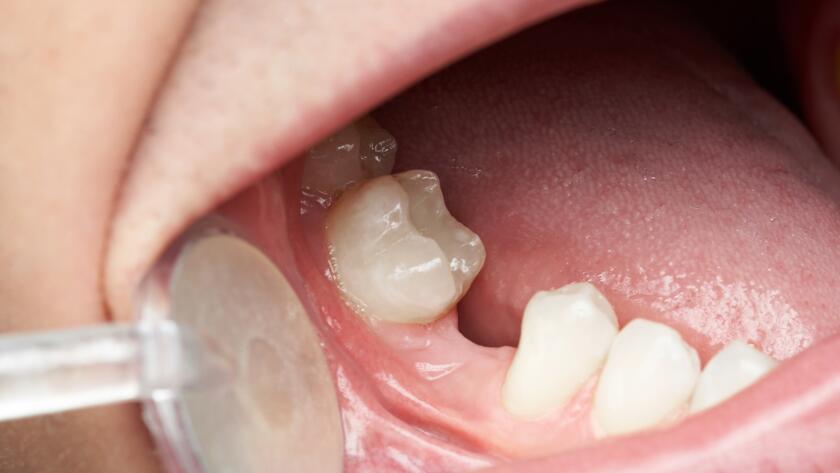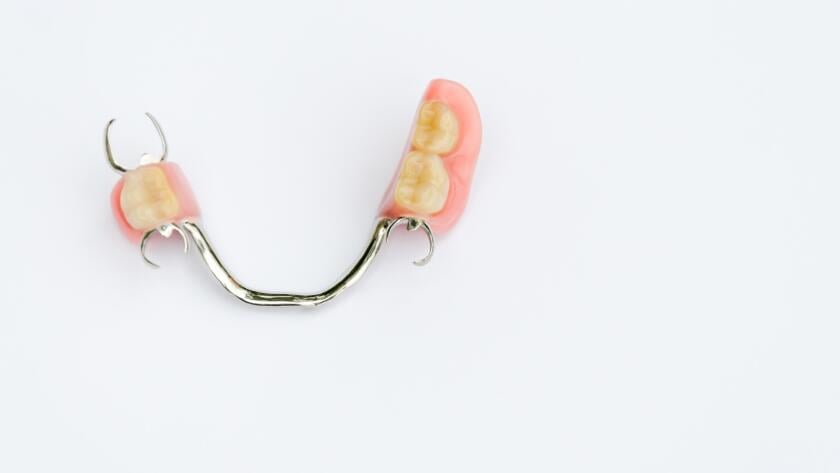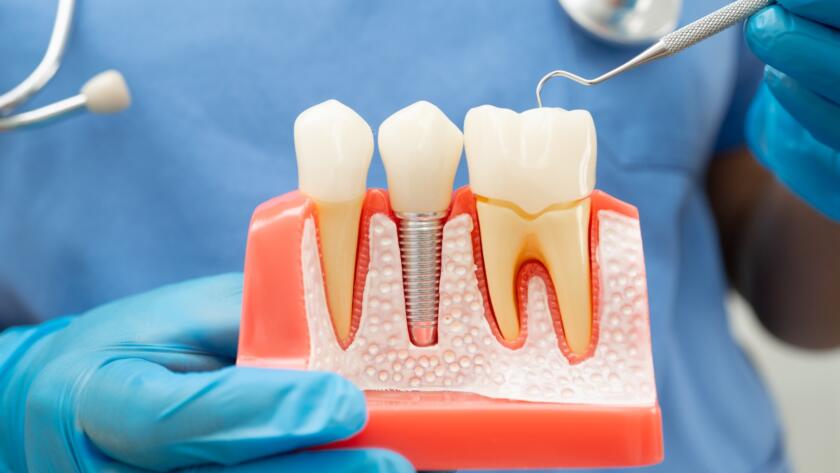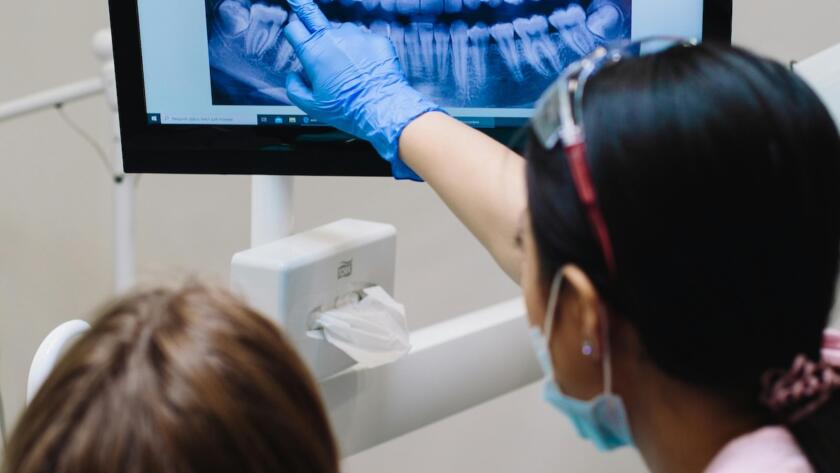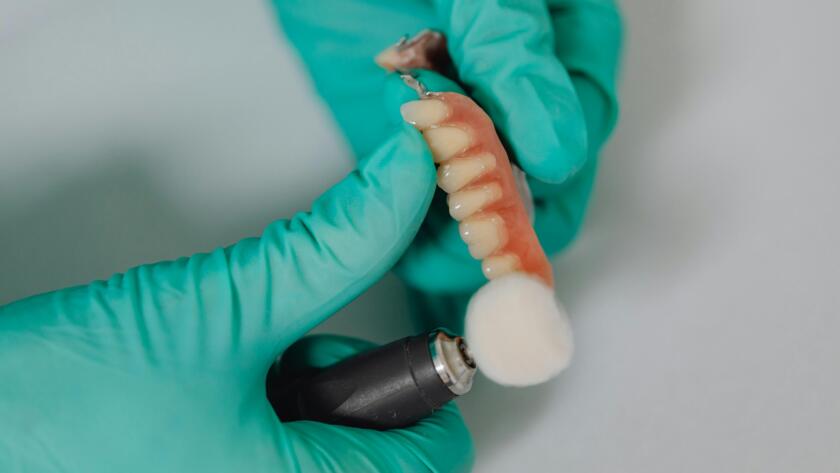
Dental implants are one of the most reliable ways to replace missing teeth—but they are not the right solution for every patient or every situation. Implant candidacy depends on anatomy, oral health, medical factors, and the ability to heal predictably over time.
Understanding how dentists evaluate implant candidacy helps you interpret recommendations and make informed…
Dental implants are often described as a long-term solution for missing teeth. But their longevity depends less on the implant itself and more on how it is planned, placed, restored, and maintained over time.
This article explains what dentists mean by implant “lifespan,” which parts last longest, and which factors most strongly influence durability.
What…
After dental implant placement, one of the most common questions is:
What will recovery feel like, and how long does it take?
In most cases, recovery is gradual and predictable, with the most noticeable symptoms occurring in the first few days and steady improvement afterward.
This article focuses on what happens after the procedure, how healing progresses…
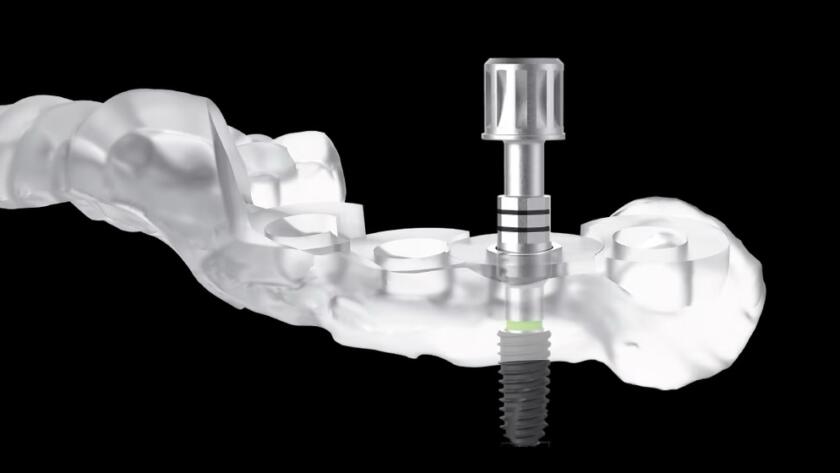
Dental implant success depends on more than the implant itself—it depends on how precisely it is placed. In many cases, guided implant surgery is used to improve accuracy, safety, and long-term outcomes by planning implant placement digitally before surgery begins.
Guided implant surgery is a technique that uses 3D imaging and a custom surgical guide to…