When considering a dental implant, one of the most common questions is how long the process takes from beginning to end.
The answer depends on several factors, including bone quality, healing response, and whether additional procedures are needed. In many cases, the process takes a few months. In others, it may be shorter or longer…
Dental implants are designed to be a long-term solution for replacing missing teeth. When properly planned and placed, implants can remain stable and functional for decades.
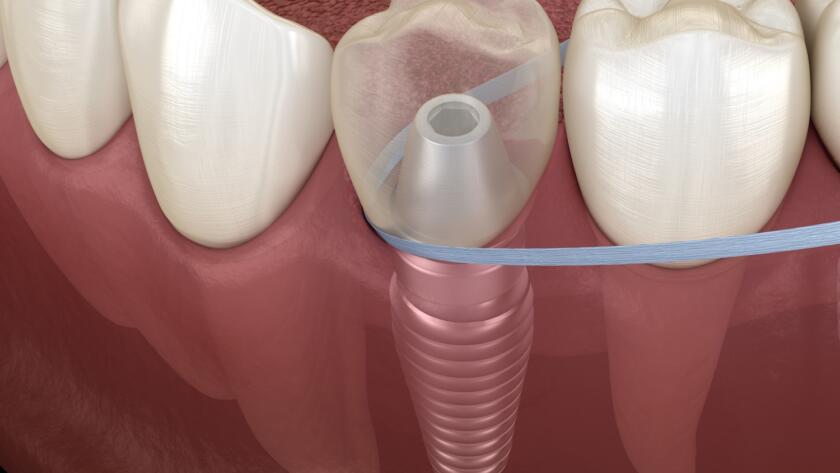
However, implants still require ongoing care. The implant itself cannot decay, but the gum tissue and bone that support the implant must remain healthy.
Understanding how implants are maintained helps…
Dental implants depend on bone for stability.
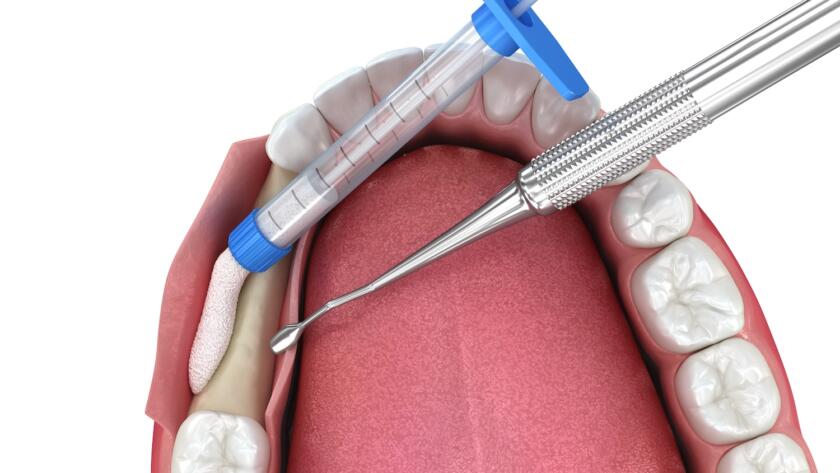
If there is not enough healthy bone to support an implant, bone grafting may be recommended before or during implant placement.
This does not mean implants are not possible. It means the foundation needs to be rebuilt to improve long-term predictability.
Why Bone Is Critical for Implant Success…
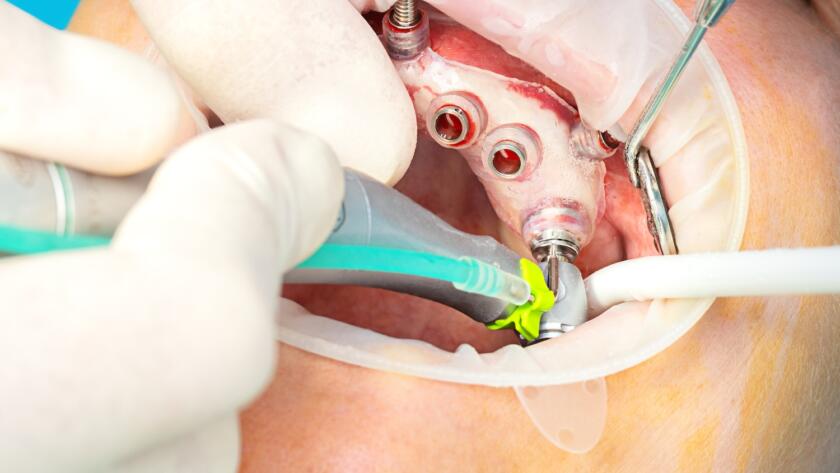
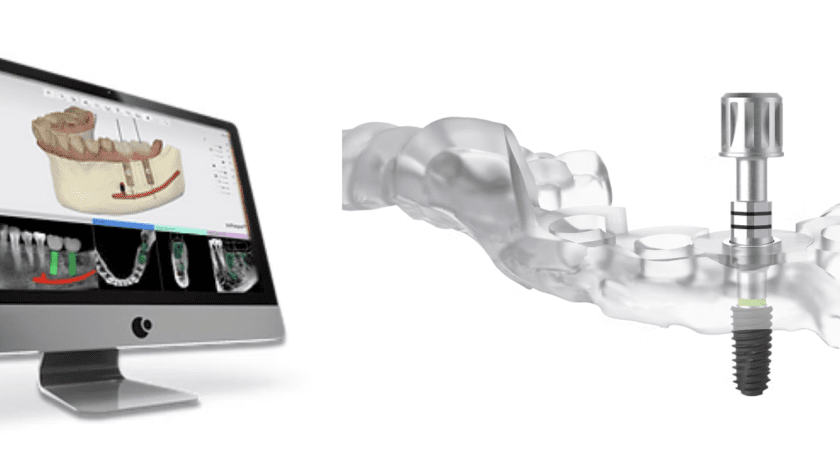
Implant Success Is Determined Before Surgery Begins
When patients think about dental implants, they often picture the surgical appointment. Clinically, however, the most important decisions occur during the planning phase.
Implants are long-term restorations intended to function for decades. Their success depends not only on surgical technique, but on precise evaluation of bone anatomy, nerve…
When a tooth is removed or lost, it is common to ask whether replacement is truly necessary—especially if the space is not visible and there is no pain.
In many cases, the consequences are gradual rather than immediate. The concern is not discomfort. It is long-term structural change.
Most missing teeth result from prior extraction…
For a single missing tooth, dentists usually compare a single tooth dental implant and a removable partial denture. Both close the visible gap. The clinical decision is about tradeoffs: stability under bite forces, impact on adjacent teeth and bone, maintenance burden, service life, timeline, and cost structure.
Option 1: Single Tooth Dental Implant
A single tooth implant replaces…
Dental implants have high long-term success rates, but failure does occur. Patients benefit from understanding why failures happen, who is at higher risk, and what reduces risk before and after placement.
What “Implant Failure” Means
Implant failure is typically categorized as:
Early failure: the implant does not integrate with bone during initial healing.
Late failure: the implant integrates initially but later loses…
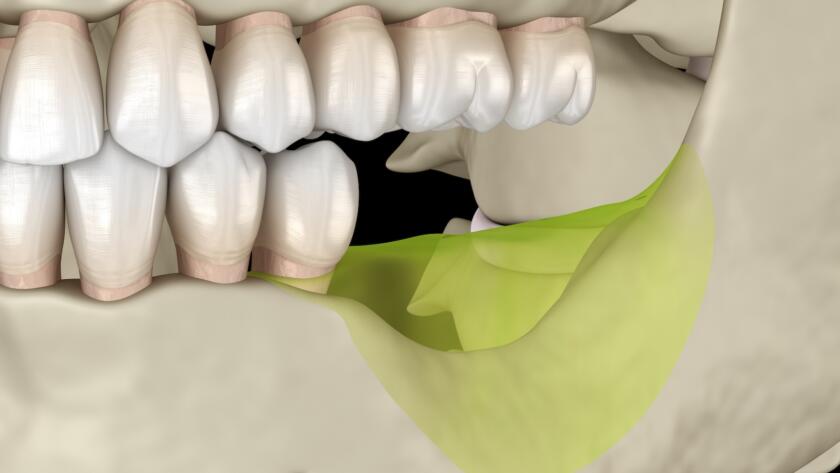
Bone Loss Changes Implant Options — Not Whether Replacement Is Possible
If you’ve been told you have bone loss in your jaw, it can sound like implants are no longer an option. In practice, bone loss mainly changes which implant approaches are appropriate and how treatment is staged. The correct plan depends on how much bone is missing,…
If you’re missing a tooth, the two most common replacement options are a dental implant and a dental bridge. Both restore appearance and function, but they differ in how they affect surrounding teeth, bone, and long-term oral health.
Dentists evaluate these options based on biology and predictability—not just convenience or speed.
This guide explains how…