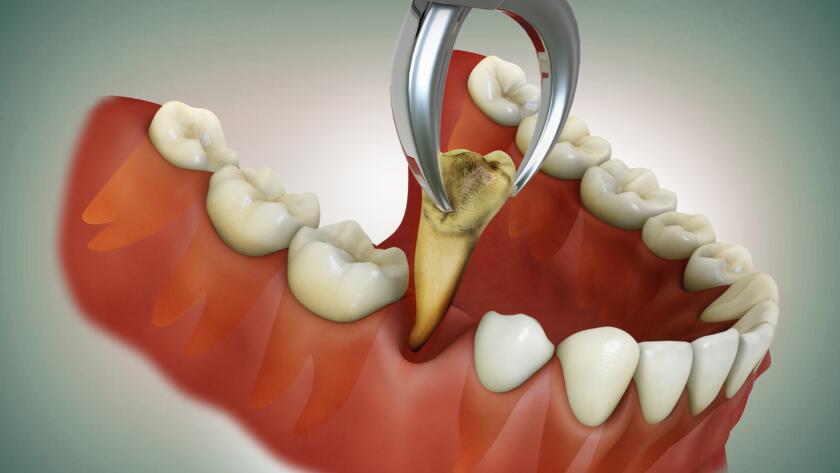
Dental implants are one of the most reliable ways to replace missing teeth—but they are not the right solution for every patient or every situation. Implant candidacy depends on anatomy, oral health, medical factors, and the ability to heal predictably over time.
Understanding how dentists evaluate implant candidacy helps you interpret recommendations and make informed…
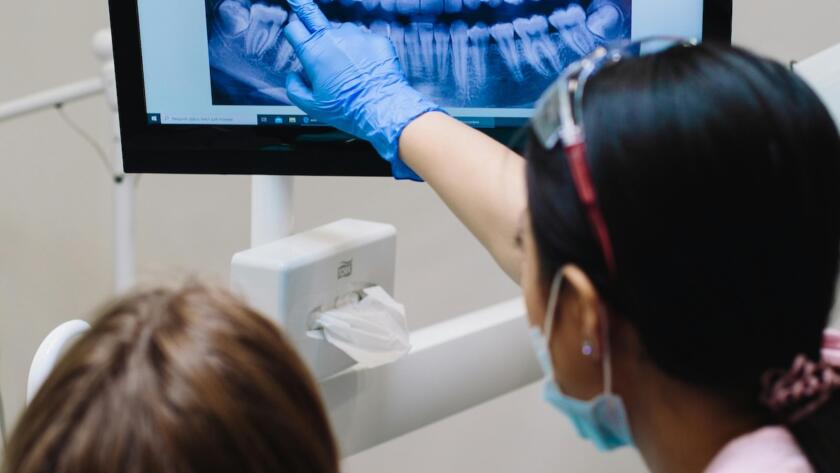
Dental implants are often described as a long-term solution for missing teeth. But their longevity depends less on the implant itself and more on how it is planned, placed, restored, and maintained over time.
This article explains what dentists mean by implant “lifespan,” which parts last longest, and which factors most strongly influence durability.
What…
Dental implant placement is a surgical procedure, and recovery is a normal part of the process. What often creates uncertainty is not the recovery itself, but the wide range of assumptions patients hear—from expectations of severe downtime to claims that recovery is barely noticeable.
Patients commonly search for dental implant recovery time because they want to know…
If you’ve been told that a tooth cannot be saved, the recommendation can feel abrupt—especially if the tooth doesn’t hurt much or still looks intact. Many patients assume that as long as a tooth is present, there must be another repair option.
In dentistry, there is a point at which preserving a tooth is no…
Wisdom Tooth Discomfort Is Common — Infection Requires Closer Attention
Wisdom teeth often cause discomfort, especially when they are erupting, partially erupted, or difficult to clean. Not all wisdom tooth pain means infection. However, infection is one of the most common reasons wisdom tooth pain becomes urgent.
The difference is not always how much something…
Dental Pain Is a Signal, Not the Problem Itself
Dental pain rarely appears without a reason. It is usually a signal that something has changed—inside a tooth, around the gums, or in the surrounding bone.
What makes dental pain difficult to interpret is that it does not always progress in a straight line. Pain may…
After Treatment, Care Doesn’t End at the Appointment
After dental treatment, most patients have similar questions: What happens next? Will I need another visit? What is normal during healing—and what is not?
Follow-up care refers to what happens after a procedure is completed. Its purpose is to make sure healing is progressing as expected, restorations are functioning…
If you have been told you might need sedation for dental treatment, you may be wondering what that actually means. You might be concerned about safety, side effects, or whether sedation is necessary at all.
Sedation dentistry is often discussed in broad or imprecise terms. In reality, it is a controlled, selective option used in…
When a Dental Infection Can No Longer Wait
A tooth infection does not always begin as an emergency. Early symptoms may be mild or intermittent, making it tempting to wait and see whether they resolve on their own.
The challenge is that dental infections can change quickly. What starts as localized discomfort can, in some…