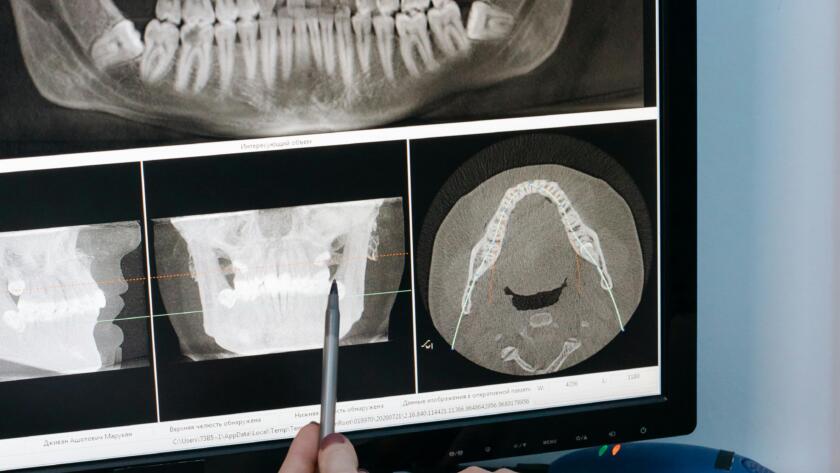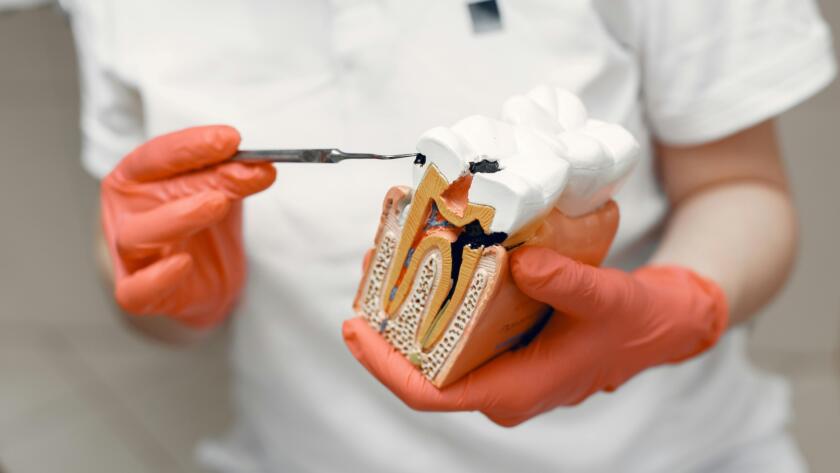
It can feel unsettling to hear that a tooth which once “just needed monitoring” now requires treatment.
A small filling becomes a crown. A cracked tooth that was stable is now symptomatic. A tooth once considered restorable is now recommended for extraction.
In most cases, this is not about inconsistency. It is about progression.
Dental…

When choosing a dentist, patients often ask whether there is a difference between private dental practices and dental chains. The answer depends less on which model is “better” and more on what you value in ongoing dental care.
Studies on patient satisfaction emphasize continuity of care and clear communication as drivers of trust and adherence; ownership model alone…
When a dentist recommends major treatment, it often follows an exam filled with unfamiliar terms, images, and recommendations. You may understand that treatment is needed, but still feel unclear about how urgent it is, what alternatives exist, or what it means for you long-term.
Before agreeing to major dental treatment, it’s reasonable to ask questions.…
You may hear a dentist describe their approach as “conservative,” or you may be looking for a dentist who practices conservative dentistry. The term sounds reassuring, but it’s often misunderstood.
In dentistry, being conservative does not simply mean doing the least amount of treatment possible. It means choosing treatment that is appropriate, measured, and focused…
If you’ve received different treatment recommendations from two dentists, it can be confusing. You may wonder whether one of them is missing something, being overly aggressive, or simply seeing the situation differently.
In most cases, differing recommendations do not mean that one dentist is right and the other is wrong. They reflect how complex dental…
If a dentist tells you that a tooth may need to be removed, it can be surprising—especially if it doesn’t hurt much or look badly damaged. You may wonder why extraction is being discussed instead of another repair.
This decision isn’t made casually. It’s based on how a tooth is expected to hold up over…