Dental treatment planning is not identical at every stage of life.
While the goal of dentistry is always long-term oral health, the priorities that guide treatment decisions often shift as patients age. Dentists consider many factors when recommending treatment, including:
expected lifespan of the tooth or restoration
long-term structural stability
medical conditions that affect healing
the…

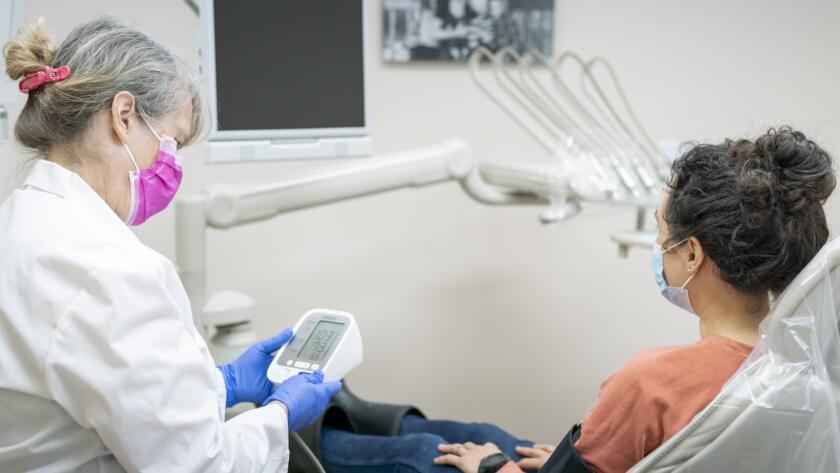
Medical conditions do not automatically prevent dental treatment. They do, however, influence how treatment is planned, timed, and delivered. A thorough medical review allows care to be adjusted appropriately and safely.
For many adults—particularly those returning after a long gap in care—this step is essential before recommending procedures.
Why Medical History Directly Affects Dental Decisions…
Tooth loss in adults is rarely sudden. In most cases, it is the final stage of a slow process involving bacterial buildup, chronic inflammation, and gradual bone destruction.
Routine dental cleanings are designed to interrupt that process before structural damage becomes irreversible.
This article explains the biological mechanism behind tooth loss and how preventive care…
Many people go years without seeing a dentist. Common reasons include cost concerns, busy schedules, dental anxiety, or the belief that care isn’t necessary if nothing hurts.
The challenge is that most dental disease progresses quietly. By the time discomfort appears, the condition is often more advanced.
Here is what typically happens when routine dental…
Pregnancy creates predictable hormonal changes that affect the gums and oral tissues. Increased vascular response and immune modulation can make the mouth more reactive to plaque and inflammation.
A common misconception is that dental care should be avoided during pregnancy. In reality, preventive care is generally recommended, and necessary treatment is often safer than delaying…
Teeth and gums do not stay the same throughout adulthood. Over time, normal wear, medical conditions, medications, and long-term function all influence oral health.
Some changes are gradual and manageable. Others increase risk if they are not monitored carefully. Understanding how teeth and gums change with age helps protect long-term stability and avoid preventable complications.…
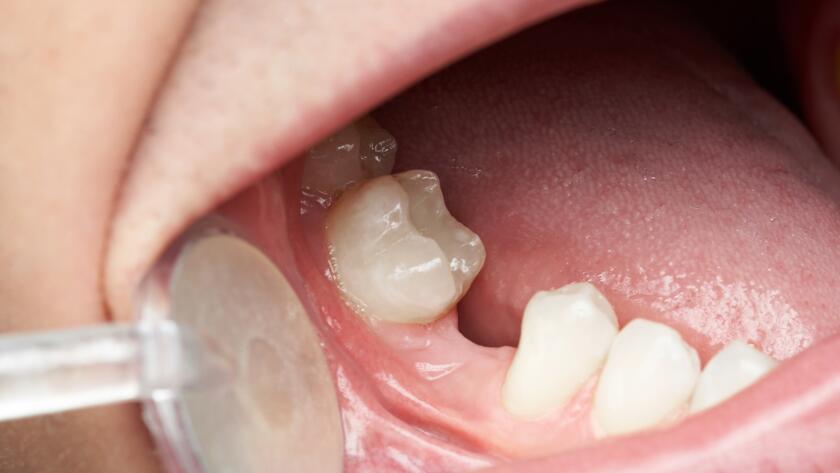
When a tooth is removed or lost, it is common to ask whether replacement is truly necessary—especially if the space is not visible and there is no pain.
In many cases, the consequences are gradual rather than immediate. The concern is not discomfort. It is long-term structural change.
Below is what typically happens when a…
Gum disease is often thought of as a local dental problem—bleeding gums, bad breath, or loose teeth. Clinically, however, periodontal disease is a chronic inflammatory condition. Inflammation in the mouth does not remain isolated to the mouth.
Over the past two decades, research has examined links between periodontal disease and broader health outcomes. Gum disease…
Cost is one of the most common reasons people delay dental care. Patients often know treatment is recommended but feel unsure whether it is financially manageable. As a result, they wait—hoping symptoms improve or that the issue will remain stable.
This article focuses specifically on delays driven by financial concerns. Delays due to clinical uncertainty or…