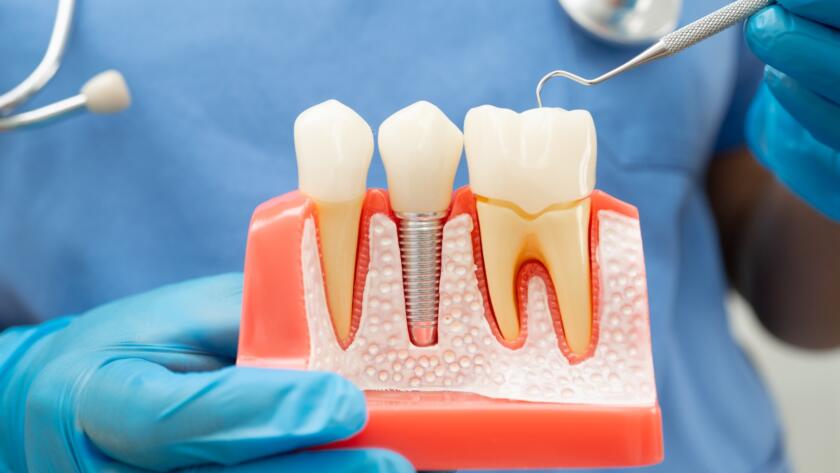
Dental implants are designed to be a long-term solution for replacing missing teeth. When properly planned and placed, implants can remain stable and functional for decades.
However, implants still require ongoing care. The implant itself cannot decay, but the gum tissue and bone that support the implant must remain healthy.
Understanding how implants are maintained helps…
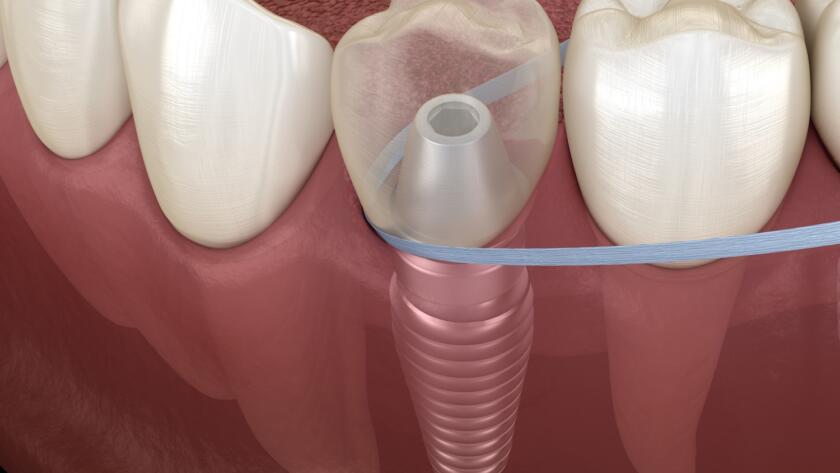
Dental implants have high long-term success rates, but failure does occur. Patients benefit from understanding why failures happen, who is at higher risk, and what reduces risk before and after placement.
What “Implant Failure” Means
Implant failure is typically categorized as:
Early failure: the implant does not integrate with bone during initial healing.
Late failure: the implant integrates initially but later loses…
Dental implants are often described as a long-term solution for missing teeth. But their longevity depends less on the implant itself and more on how it is planned, placed, restored, and maintained over time.
This article explains what dentists mean by implant “lifespan,” which parts last longest, and which factors most strongly influence durability.
What…