
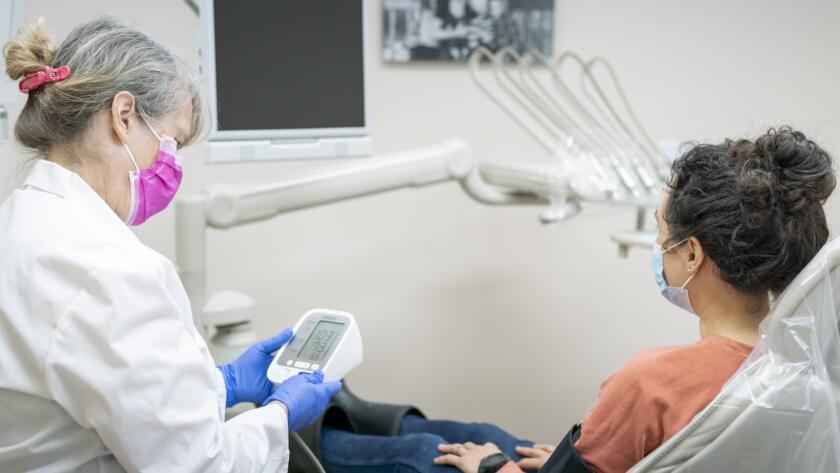
Medical conditions do not automatically prevent dental treatment. They do, however, influence how treatment is planned, timed, and delivered. A thorough medical review allows care to be adjusted appropriately and safely.
For many adults—particularly those returning after a long gap in care—this step is essential before recommending procedures.
Why Medical History Directly Affects Dental Decisions…
Pregnancy creates predictable hormonal changes that affect the gums and oral tissues. Increased vascular response and immune modulation can make the mouth more reactive to plaque and inflammation.
A common misconception is that dental care should be avoided during pregnancy. In reality, preventive care is generally recommended, and necessary treatment is often safer than delaying…
Teeth and gums do not stay the same throughout adulthood. Over time, normal wear, medical conditions, medications, and long-term function all influence oral health.
Some changes are gradual and manageable. Others increase risk if they are not monitored carefully. Understanding how teeth and gums change with age helps protect long-term stability and avoid preventable complications.…