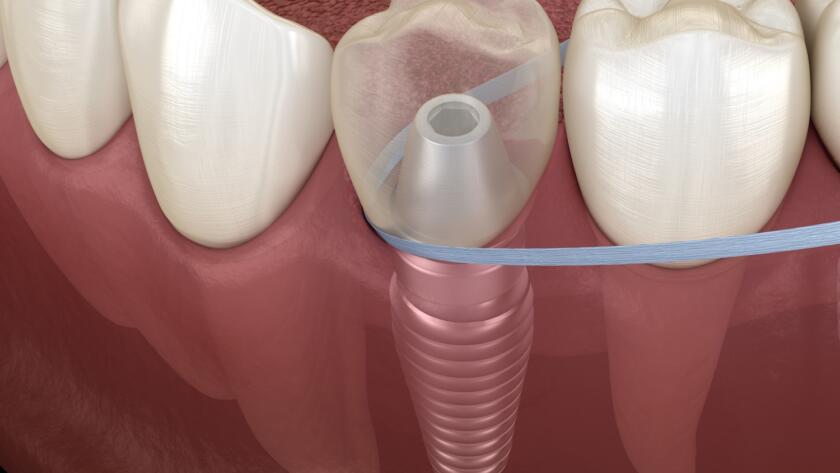
Many people assume that once a crown, bridge, or dental implant is placed, the problem has been permanently solved.
In reality, major dental treatment often makes ongoing preventive care even more…
Many patients expect dental treatment to be completed in a single appointment. When a dentist recommends several visits, it can feel surprising or inconvenient.
A common question patients ask is: “Why…
Dental implants are designed to be a long-term solution for replacing missing teeth. When properly planned and placed, implants can remain stable and functional for decades.
However, implants still require…
Dental treatment planning is not identical at every stage of life.
While the goal of dentistry is always long-term oral health, the priorities that guide treatment decisions often shift as patients…
Medical conditions do not automatically prevent dental treatment. They do, however, influence how treatment is planned, timed, and delivered. A thorough medical review allows care to be adjusted appropriately and…
Tooth loss in adults is rarely sudden. In most cases, it is the final stage of a slow process involving bacterial buildup, chronic inflammation, and gradual bone destruction.
Routine dental…
Sudden tooth sensitivity can feel alarming. One day everything is normal. The next, cold water or a breath of air causes a sharp jolt.
Sometimes the cause is minor and…
When a tooth is severely infected or structurally compromised, patients are typically presented with two main options: root canal therapy or extraction.
The decision is not based on pain level…
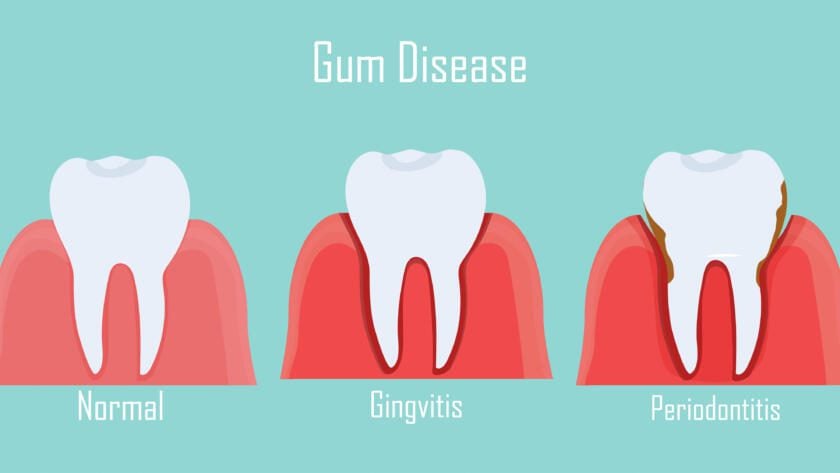
Many patients are told they have “gum disease” without fully understanding what that means.
Gum disease is not a single condition. It develops in stages. The two primary stages are gingivitis and periodontitis.…