Dental anxiety is common. Some patients feel mild uneasiness before an appointment, while others delay care for years due to fear, past experiences, or concerns about pain or control. Modern dental practices address anxiety deliberately and systematically—before, during, and after treatment.
This article explains how dental anxiety is typically managed, so patients can understand what to…

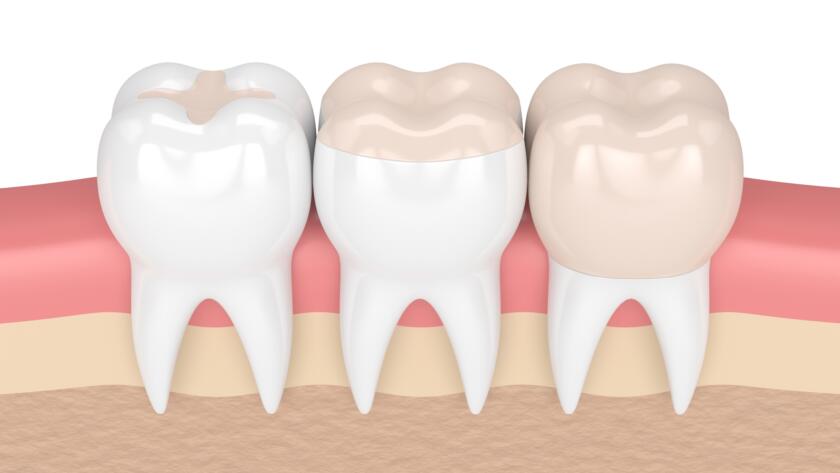
Most people are familiar with dental fillings. Many have heard of crowns. But when a dentist recommends an inlay, it might be the first time you've heard the term.
This article explains what an inlay is, when it’s used, and why it can make sense as a middle option between a filling and a crown.
What…
A lot of people don’t stick with just one dental office—and that’s understandable.
You might go to one place for a big procedure, another for cleanings, or only come in when something hurts. Life gets busy, insurance changes, or convenience takes over. Most patients don’t plan it this way—it just happens.
What’s easy to miss…
When choosing a dentist, patients often ask whether there is a difference between private dental practices and dental chains. The answer depends less on which model is “better” and more on what you value in ongoing dental care.
Studies on patient satisfaction emphasize continuity of care and clear communication as drivers of trust and adherence; ownership model alone…
A dental consultation is typically the first structured appointment focused on understanding your oral health and determining appropriate next steps. While every patient’s situation is different, most consultations follow a similar overall sequence.
This guide outlines that process step by step so you know what usually happens and why each part matters.
What Is…
If you’re visiting a dental office for the first time—or returning after a long gap—it’s common to have questions about how the appointment will work. You may wonder whether treatment will happen right away or whether you will be pressured for quick decisions without fully understanding your oral health.
In most cases, a first dental…
When a dentist recommends major treatment, it often follows an exam filled with unfamiliar terms, images, and recommendations. You may understand that treatment is needed, but still feel unclear about how urgent it is, what alternatives exist, or what it means for you long-term.
Before agreeing to major dental treatment, it’s reasonable to ask questions.…
If dental treatment has been recommended but described as “not urgent,” you may be unsure how long it’s reasonable to wait. Symptoms may be mild, come and go, or seem manageable, making it difficult to tell whether delaying treatment is harmless or could lead to more complicated problems later.
In dentistry, timing matters—but not every…
You may hear a dentist describe their approach as “conservative,” or you may be looking for a dentist who practices conservative dentistry. The term sounds reassuring, but it’s often misunderstood.
In dentistry, being conservative does not simply mean doing the least amount of treatment possible. It means choosing treatment that is appropriate, measured, and focused…