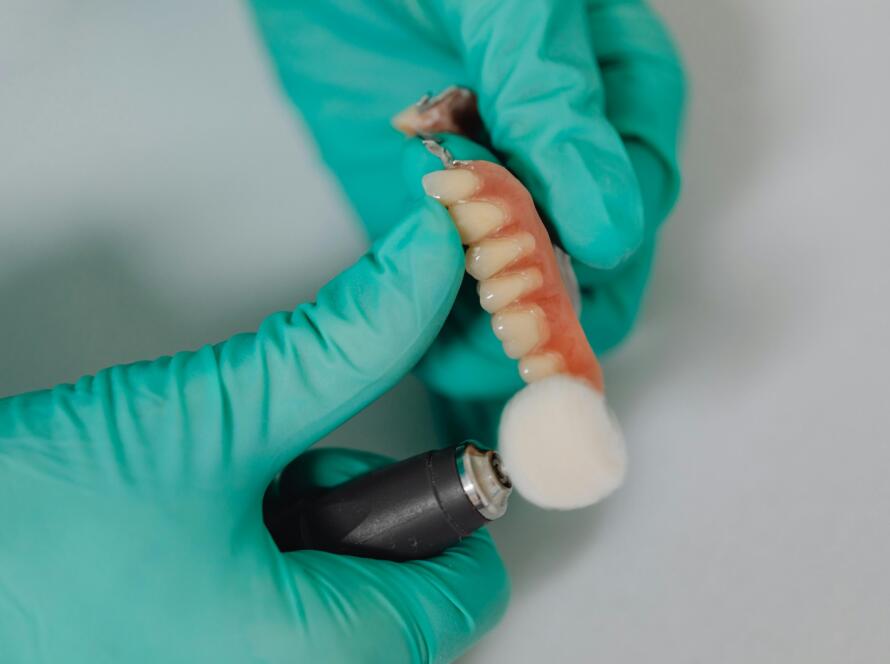

Some dental implants can be placed and restored with a temporary tooth on the same day. This is often referred to as a “same-day implant.”
While this approach can reduce the number of steps in treatment, it is not appropriate in every situation. Whether it is recommended depends on specific clinical factors that affect stability during healing and long-term success.
This guide explains what determines candidacy and when a same-day approach may or may not be appropriate.
What “Same-Day Implants” Actually Means
A same-day implant does not mean the entire process is completed in one visit.
In most cases, it means:
- the dental implant is placed
- a temporary tooth is attached at the same appointment
The final crown is still completed later, after the implant has fully integrated with the bone.
Why Not Every Case Is Treated This Way
Dental implants require a stable healing period. During this time, the bone bonds to the implant surface.
If the implant is exposed to too much movement early on, that integration can be disrupted.
For that reason, same-day treatment is only used when conditions allow for:
- strong initial stability
- controlled biting forces
- predictable healing
When those conditions are not present, a staged approach is typically more reliable.
Key Factors That Determine Candidacy
1. Bone Quality and Volume
The implant must be placed in bone that is:
- dense enough to provide initial stability
- sufficient in volume to support proper positioning
In cases where bone support is limited, placing a temporary tooth immediately may increase the risk of movement during healing.
2. Ability to Achieve Initial Stability
At the time of placement, the implant must be secure enough to resist micromovement.
This is assessed during the procedure and is one of the primary factors in deciding whether immediate restoration is appropriate.
3. Presence of Infection or Inflammation
Active infection can affect both:
- bone quality
- healing predictability
In some cases, implants can still be placed in areas of prior infection, but immediate loading is often avoided until the site is stable.
4. Bite Forces and Tooth Position
Implants placed in areas of high chewing force—especially the back teeth—are subject to greater pressure during healing.
If those forces cannot be controlled:
- a temporary tooth may place excessive load on the implant
In these cases, delaying restoration is often preferred.
5. Overall Treatment Plan
Candidacy depends on the full clinical picture, not a single factor.
This includes:
- number of teeth being replaced
- need for bone grafting
- long-term restorative goals
A same-day approach must fit within a plan that supports long-term stability.
When Same-Day Implants May Be Recommended
Same-day treatment may be considered when:
- bone support is adequate
- high initial stability can be achieved
- infection is minimal or controlled
- bite forces can be managed during healing
Even in these cases, the temporary tooth is typically adjusted to minimize pressure while the implant integrates during healing.
When a Delayed Approach Is Preferred
A staged approach is often recommended when:
- bone support is limited or compromised
- initial stability is uncertain
- infection or inflammation needs to resolve
- multiple procedures are being combined
In these situations, allowing the implant to heal before placing a restoration improves predictability.
Why Careful Selection Matters
Same-day implants can be effective when conditions are appropriate. When used outside those conditions, the risk of complications increases.
The goal is not to shorten the process, but to achieve a stable, long-lasting result.
How This Fits Into the Overall Implant Process
Same-day treatment is one variation within a broader implant sequence.
If you are comparing options, it may help to understand how implants are typically planned, placed, and restored over time.