
Being told you may need All-on-X treatment can feel overwhelming, especially if you still have some natural teeth remaining.
Many patients wonder:
Do all of my teeth really need to come out, or can some of them still be saved?
The answer depends on more than whether each individual tooth can technically be repaired. Dentists also evaluate the long-term stability of the entire mouth, including bone support, gum health, bite forces, existing dental work, and how predictable different treatment options are likely to be over time.
In some cases, preserving natural teeth is reasonable. In others, trying to save several weakened teeth may lead to repeated treatment, ongoing infections, bite problems, or a less stable long-term result.
This article explains how dentists evaluate whether preserving teeth or considering full-arch replacement is likely to provide the more predictable long-term outcome.
This Is Usually Not a One-Tooth Decision
When one tooth is damaged, the question is often relatively focused:
Can this tooth be restored, treated, or maintained?
When many teeth are involved, the decision becomes more complex.
A dentist may need to evaluate whether the mouth as a whole is stable enough to support long-term treatment. This includes looking at:
- how many teeth are compromised
- which teeth are strategically important
- whether the bite is stable
- how much bone support remains
- whether gum disease is active
- whether existing crowns, bridges, fillings, or root canals are failing
- whether future maintenance is realistic
A tooth may be technically treatable but still have a poor long-term role in the overall plan.
That is why full-arch treatment is not usually recommended because of one tooth alone. The recommendation is often based on a broader pattern of breakdown across the mouth.
For a more tooth-specific explanation, see: How Dentists Decide Whether a Tooth Can Be Saved or Needs Extraction.
“Savable” and “Predictable” Are Not Always the Same Thing
One of the most important distinctions in major dental planning is the difference between a tooth that is technically savable and a tooth that is predictable long term.
A tooth may still be treatable with:
- a filling
- a crown
- a root canal
- periodontal treatment
- a buildup
- a replacement restoration
But that does not necessarily mean the tooth is likely to remain stable for many years.
A tooth may have a weaker long-term prognosis if it has:
- severe bone loss
- mobility
- a deep fracture
- repeated decay under existing dental work
- limited remaining tooth structure
- a failing root canal
- an unstable crown or bridge
- poor position in the bite
- a history of repeated problems
When only one tooth is involved, trying to save it may still be reasonable. But when many teeth have guarded or poor long-term prognosis, the overall treatment plan may become less predictable.
In those situations, the question becomes less about whether a tooth can be saved today and more about whether preserving it supports a stable, maintainable result over time.
Gum Disease and Bone Support Matter
Gum disease is one of the most important factors in deciding whether teeth can realistically be preserved long term.
Teeth depend on healthy bone and gum support. When periodontal disease causes bone loss, teeth may become loose, harder to clean, or more vulnerable to infection. Even if the teeth themselves do not have large cavities, the foundation supporting them may be weakened.
This does not mean every patient with gum disease needs extractions or full-arch treatment. Many patients can maintain teeth for years with periodontal therapy, consistent maintenance, and careful monitoring.
But if bone loss is advanced, widespread, or combined with mobility and bite instability, saving teeth may become significantly less predictable.
This is especially important before major restorative or implant treatment. If gum disease is not stabilized, crowns, bridges, dentures, and implants may all face higher long-term risk.
For related background, see: Why Gum Health Matters Before Any Major Dental Treatment.
Bite Collapse and Failing Dentition Can Change the Recommendation
Some patients are not dealing with one isolated dental problem. They are dealing with a progressively failing dentition.
That may include:
- multiple missing teeth
- back teeth that no longer support the bite
- severe wear
- shifting or drifting teeth
- repeated fractures
- failing bridges
- failing crowns
- unstable partial dentures
- bite collapse
- difficulty chewing comfortably
In these situations, the dentist is not only asking:
“Can this tooth be fixed?”
The larger question is:
Can the entire bite be restored in a way that is stable and maintainable long term?
Sometimes the answer is yes. A staged treatment plan may involve stabilizing gum disease, restoring key teeth, replacing missing teeth, and monitoring carefully over time.
Other times, the number of compromised teeth and the degree of instability make tooth-by-tooth repair less predictable. In those cases, full-arch treatment may be considered because it allows the arch to be rebuilt as one coordinated system.
This is one reason comprehensive implant planning can become more complex when multiple failing teeth, bone loss, or bite instability are involved.
Repeated Dental Work Can Reduce Long-Term Predictability
Dentistry often involves maintaining teeth over time. A tooth may receive a filling, later need a crown, and later require additional treatment if new decay, fracture, or infection develops.
That progression does not necessarily mean prior treatment failed. Teeth and restorations experience years of chewing forces, bacterial exposure, wear, and aging.
However, each round of treatment may leave less natural tooth structure behind. Eventually, a tooth may reach a point where additional repair is possible but less predictable.
This becomes especially important when many teeth have already had extensive dental work.
A patient with multiple failing crowns, root canals, bridges, and recurrent decay may technically still have treatment options for individual teeth. But the overall plan may involve significant cost, many procedures, and uncertain durability over time.
In those situations, a dentist may discuss whether rebuilding the full arch offers a more predictable long-term solution.
Why Different Dentists May Recommend Different Approaches
It is common for patients to receive different opinions about whether teeth should be saved or removed.
That does not automatically mean one dentist is correct and the other is wrong.
Dentists may weigh risk differently. One dentist may prioritize preserving natural teeth as long as possible. Another may place greater emphasis on long-term predictability, bite stability, or the likelihood of repeated future treatment.
Recommendations may also differ based on:
- the imaging available
- how much bone loss is present
- whether the dentist is evaluating one tooth or the whole mouth
- the patient’s goals
- the expected maintenance burden
- the dentist’s treatment philosophy
- whether treatment is being planned primarily short term or long term
This is why clear explanation matters. Patients should understand not only what is being recommended, but why.
For more on this topic, see: Why Two Dentists Can Recommend Different Treatment Plans.
Patient Goals and Maintenance Expectations Matter
There is no single treatment plan that is right for every patient.
Some patients strongly prefer to preserve natural teeth as long as reasonably possible. If the teeth are maintainable, that may be a reasonable approach.
Other patients may prioritize reducing future breakdown, improving chewing stability, or avoiding repeated cycles of treatment.
Dentists also consider whether a patient can realistically maintain the treatment plan long term. This may include:
- daily home care
- regular cleanings or periodontal maintenance
- smoking status
- medical conditions
- history of missed dental care
- ability to return for follow-up visits
- tolerance for staged treatment
- financial sequencing
- comfort with future repairs and maintenance
Saving teeth requires maintenance. Full-arch implants also require maintenance. Neither option is maintenance-free.
The best treatment plan is usually the one that fits the patient’s oral condition, long-term goals, and ability to maintain the result over time.
When Saving Teeth May Still Be Reasonable
Saving teeth may still be reasonable when:
- bone support remains adequate
- gum disease can be stabilized
- key teeth are structurally sound
- the bite can be restored predictably
- decay or fractures are limited
- the patient can maintain the teeth long term
- treatment can be phased responsibly
- the teeth are expected to function predictably over time
In these situations, a dentist may recommend preserving strategic teeth, restoring damaged areas, replacing missing teeth selectively, improving gum health, or monitoring carefully instead of moving directly to full-arch replacement.
Conservative treatment does not necessarily mean avoiding treatment. It means preserving healthy or maintainable structures when doing so supports a stable long-term outcome.
When Full-Arch Treatment May Be Considered
Full-arch treatment may be considered when many teeth have poor or guarded long-term prognosis.
This may happen when there is:
- advanced periodontal bone loss
- multiple loose teeth
- repeated infections
- widespread failing dental work
- severe bite collapse
- extensive missing teeth
- poor chewing function
- multiple teeth that cannot be predictably restored
- a high likelihood of repeated future extractions
In those situations, keeping a few compromised teeth may not improve the overall long-term plan. It may instead prolong instability or lead to repeated emergency treatment and additional future procedures.
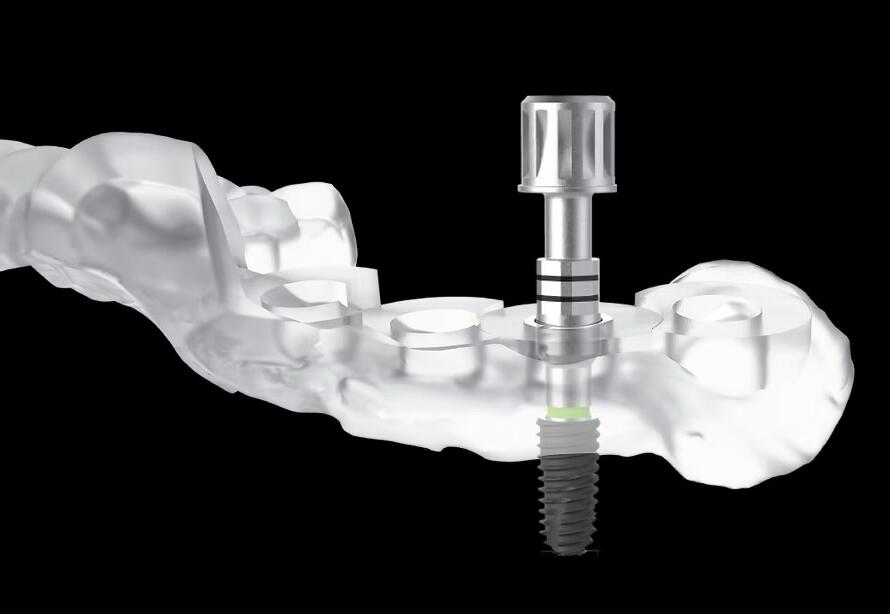
All-on-X is one option for replacing a full arch of teeth with an implant-supported prosthesis. It is not appropriate for every patient, but it may be considered when the remaining teeth no longer provide a predictable foundation for long-term stability.
Questions to Ask Before Proceeding With Full-Arch Treatment
Before proceeding with full-arch treatment, it is reasonable to ask detailed questions about the reasoning behind the recommendation.
Helpful questions may include:
- Which teeth are considered non-restorable, and why?
- Are any teeth maintainable long term?
- Is the main issue decay, gum disease, bone loss, bite instability, or failing dental work?
- What would happen if some teeth were preserved?
- Would preserving some teeth improve or reduce long-term stability?
- Is phased treatment possible?
- What are the risks of delaying treatment?
- What maintenance would be required if I keep my teeth?
- What maintenance would be required after All-on-X?
- What alternatives exist besides full-arch replacement?
A good consultation should help patients understand not only the treatment itself, but the reasoning behind the recommendation.
The Goal Is Not to Remove Teeth — It Is to Plan Predictably
The goal of comprehensive dental treatment is not to remove teeth unnecessarily. It is also not to save every tooth at all costs.
The goal is to choose the option that provides the most stable, maintainable, and predictable long-term outcome for the individual patient.
Sometimes that means preserving natural teeth. Sometimes it means removing teeth that can no longer support a healthy bite or stable treatment plan. Sometimes it means comparing multiple reasonable approaches before making a decision.
If you have been told you may need All-on-X or full-arch implant treatment, it is reasonable to ask whether teeth can still be saved — and whether preserving them would truly support a better long-term result.
At Carrollton Dentistry, treatment planning begins with a careful evaluation of the teeth, gums, bone support, bite, and long-term goals before recommendations are made.