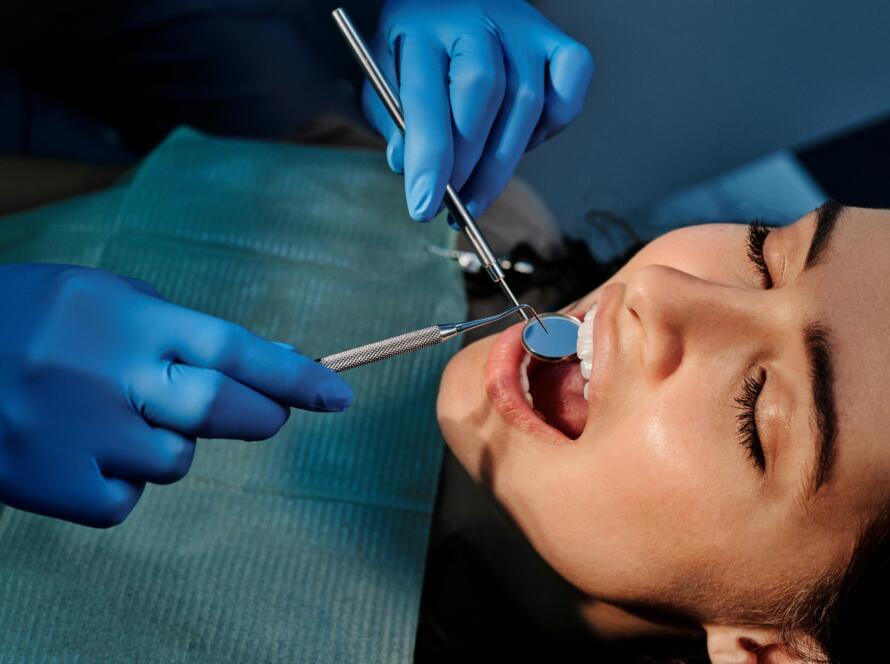

Many people expect dental visits to follow fixed time slots — especially when the procedure sounds routine. In reality, high-quality dental care is not a factory process. The time a visit takes depends on what your dentist finds, how your body responds, and whether new information changes what is safest to do.
Longer visits — or occasional delays — are usually the result of careful clinical decision-making, not inefficiency.
Why Your Visit May Take Longer Than Expected
1. Careful Diagnosis Comes Before Speed
Good dentistry starts with confirming what is actually happening in your mouth, not just what was suspected beforehand. This can include:
- Reviewing symptoms that may not match what’s visible
- Interpreting X-rays or 3D imaging
- Checking gum health, bite alignment, and existing dental work
If new findings appear during your visit, your dentist may pause to reassess. This protects you from being treated based on assumptions rather than what is clinically present.
Related reading: Why Two Dentists Can Recommend Different Treatment Plans
2. Treatment Plans Sometimes Change Mid-Visit
Even with careful planning, real conditions are only fully visible once treatment begins. For example:
- A tooth that looked restorable may have deeper structural damage
- Inflammation or infection may be more extensive than imaging suggested
- Bone or gum conditions may affect whether a procedure can be completed safely that day
When this happens, your dentist may slow down, change the sequence of care, or discuss alternatives with you. That extra time reflects caution, not uncertainty.
3. Precision Work Is Intentionally Slower
Dental procedures often require millimeter-level precision. Steps like isolation, moisture control, fit checks, and bite verification add time but reduce the risk of:
- Post-treatment sensitivity
- Premature failure
- Needing retreatment
Taking additional minutes during your visit is one way dentists reduce the chance that you will need the same area reworked later.
4. Some Days Run Long Because Dentistry Is Not Predictable
Schedules are built around estimates. Some cases proceed exactly as expected; others become more complex once treatment begins. When a prior patient’s care requires extra time to be completed safely, later appointments can be delayed.
Practices that prioritize clinical completeness may run behind on complex days rather than rushing a patient out mid-procedure to stay on schedule.
5. Your Comfort and Safety Affect Timing
Appointments may take longer when:
- Numbing takes extra time to become fully effective
- Breaks are needed for jaw fatigue or anxiety
- Medical conditions require slower pacing or monitoring
These adjustments are part of individualized care. Faster is not safer when comfort or medical factors are involved.
6. Thorough Dentistry Reduces the Need for Redo Work
Time spent during your visit is often time saved later. Careful pacing helps avoid:
- Restorations that need to be redone
- Preventable complications
- Re-opening work that could have been stabilized correctly the first time
This is why some offices schedule longer visits or build buffer time into complex appointments.
What This Means for You as a Patient
You may experience:
- Longer chair time than expected
- Waiting during your visit if another case becomes more complex
- The need to split treatment into multiple visits for safety or planning reasons
These are not signs that something is wrong. In most cases, they reflect an effort to provide stable, durable care rather than rushed treatment.
If timing is important for your schedule, it is reasonable to let the front desk know in advance. In some cases, visits can be planned in stages to better fit your availability.
Related Reading
New to our office? Learn what to expect at your first visit: New Patients