
If you’ve received different treatment recommendations from two dentists, it can be confusing. You may wonder whether one of them is missing something, being overly aggressive, or simply seeing the situation differently.
In most cases, differing recommendations do not mean that one dentist is right and the other is wrong. They reflect how complex dental decisions are made—and how professional judgment, risk assessment, and patient priorities factor into those decisions.
When two dentists recommend different plans, it’s usually because they’re weighing predictability, long-term risk, and your priorities differently. The key is understanding what each option is trying to prevent and what happens if it fails.
Dental Treatment Often Involves Judgment Calls
Many dental conditions don’t have only one correct solution. Instead, they involve weighing tradeoffs such as:
- Longevity
- Risk
- Complexity
- Cost over time
- Ongoing maintenance and follow-up
Because of this, two dentists can look at the same tooth and reasonably arrive at different plans, especially when the tooth falls into a gray area between clearly restorable and clearly non-restorable.
Why Dentists Can Disagree About the Same Tooth
Dentists are trained to assess the same core clinical factors, but they may weigh them differently.
Risk Tolerance (Focusing on Predictability vs Trying to Save a Tooth)
Some dentists recommend treatment only when the long-term outcome is highly predictable. Others may be comfortable attempting a more conservative approach when the outcome is uncertain but possible.
Neither approach is inherently right or wrong. These differences usually reflect how much uncertainty about future outcomes is considered acceptable, not differences in diagnostic ability.
Clinical Experience and Past Outcomes
Experience influences judgment.
- A dentist who has seen many restorations fail under certain conditions may recommend earlier intervention
- Another may have seen similar cases succeed and be willing to try a less aggressive approach
Past outcomes shape how future decisions are made.
Diagnostics and Technology (2D vs 3D Imaging, Magnification)
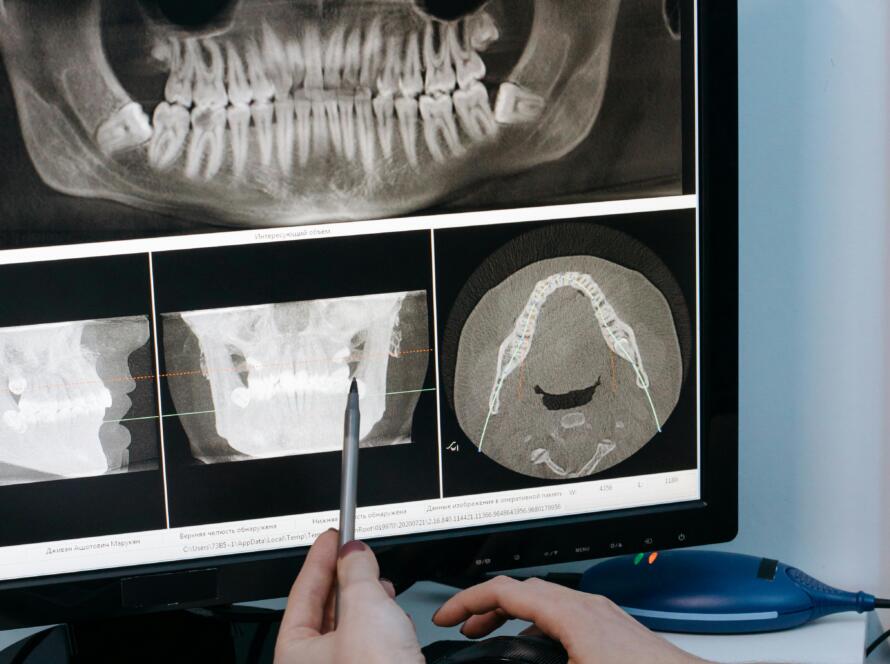
Diagnostic tools can affect how a situation is evaluated. Differences in recommendations may result from access to:
- Advanced imaging versus standard X-rays
- Enhanced magnification or lighting
- More detailed assessment of cracks, bone levels, or infection
When more information is available, a treatment may appear either more predictable—or less—than it would based on limited data.
Patient Priorities (Time, Cost, Preserving Tooth, Tolerance for Uncertainty)
Treatment planning does not happen in isolation from the person receiving care.
Dentists may tailor recommendations based on what matters most to you, such as:
- Your willingness to undergo future treatment
- Your tolerance for uncertainty
- Whether you prefer fewer procedures or preserving natural teeth
- How you weigh long-term versus short-term planning
A recommendation that fits one patient well may not fit another.
When Differing Opinions Are Most Common (“Gray Zone” Cases)
You are most likely to encounter different recommendations when:
- A tooth has been heavily restored in the past
- There is moderate bone loss or infection
- A crack is suspected but not clearly visible
- A tooth could potentially be saved, but with limited predictability
These situations involve professional judgment rather than clear-cut rules.
What Differing Recommendations Usually Do Not Mean
It’s understandable to question differing recommendations, but they do not automatically mean that:
- One dentist is being dishonest
- One dentist is focused on profit
- A mistake has been made
Most dentists aim to recommend what they believe offers the best balance of predictability, function, and long-term oral health based on the information available to them.
Questions to Ask When Comparing Two Dental Plans
If you receive different recommendations, it can help to focus less on which treatment is suggested and more on why it is being suggested.
You may want to ask:
- “What are the risks if this treatment fails?”
- “What signs would indicate that this approach isn’t working?”
- “How often does this type of treatment succeed in situations like mine?”
- “What happens if we take a more conservative or more definitive approach?”
Clear explanations matter more than agreement.
When a Second Opinion May Be Worth It
Second opinions can be helpful for complex decisions. Their purpose is not to identify a single “correct” answer, but to help you understand the range of reasonable options and the tradeoffs involved.
In many cases, second opinions differ not in diagnosis, but in how uncertainty and long-term risk are weighed.
For a deeper explanation of how dentists evaluate whether a tooth can be saved or needs to be removed, see How Dentists Decide Whether a Tooth Can Be Saved or Needs Extraction.
Framing the Decision
Dental treatment planning is not about finding one perfect answer. It’s about choosing an approach that aligns with long-term oral health, realistic expectations, and your comfort with risk and future care.
Understanding why recommendations can differ helps you make decisions based on clear reasoning rather than uncertainty or pressure.
If you’re comparing options and want a clear explanation of the tradeoffs, you can request a consultation through our New Patients page to review findings and discuss what each plan is trying to accomplish.
FAQ: Understanding Different Dental Treatment Plans
Q: Is it normal for two dentists to recommend different treatments?
A: Yes. Many cases have more than one reasonable option. Differences usually come from how each dentist weighs predictability, long-term risk, and your preferences.
Q: Does a more expensive plan mean it’s better?
A: Not necessarily. Cost can reflect complexity, materials, or the goal of reducing future risk—but “better” depends on predictability and what you’re trying to avoid (repeat repairs, failure, additional procedures).
Q: How do I compare two plans if I don’t understand the details?
A: Ask each office to explain (1) the diagnosis, (2) the goal of the plan, (3) what could go wrong, and (4) what happens if it fails. Comparing failure modes is often clearer than comparing procedures.
Q: What questions should I ask when dentists disagree?
A: Ask: “What’s the risk if this fails?”, “What would failure look like?”, “What’s the backup plan?”, and “What outcome are we optimizing for—time, cost, tooth preservation, or long-term predictability?”
Q: When is a second opinion most useful?
A: When the tooth is borderline restorable, a crack is suspected, infection/bone loss is moderate, or the decision changes your long-term plan (extraction vs root canal/crown vs implant planning).