
Tooth pain can escalate quickly—from mild discomfort to severe pain, swelling, or signs of infection. When that happens, many patients are unsure whether to go to urgent care or seek an emergency dentist. The right choice depends on what is causing the pain and what kind of treatment is required.
This guide explains what each option can and cannot do so you can choose appropriate care and avoid delays that may worsen the underlying dental problem.
What an Emergency Dentist Can Treat
An emergency dentist is equipped to diagnose and treat dental causes of pain and swelling.
Common reasons to see an emergency dentist:
- Severe or persistent tooth pain
- Swelling of the gums, face, or jaw
- Dental abscess or suspected infection
- Broken, cracked, or knocked-out tooth
- Lost fillings or crowns causing pain
- Bleeding after a dental procedure
What an emergency dentist can do:
- Take dental X-rays to identify the source of pain
- Drain localized infections when clinically appropriate
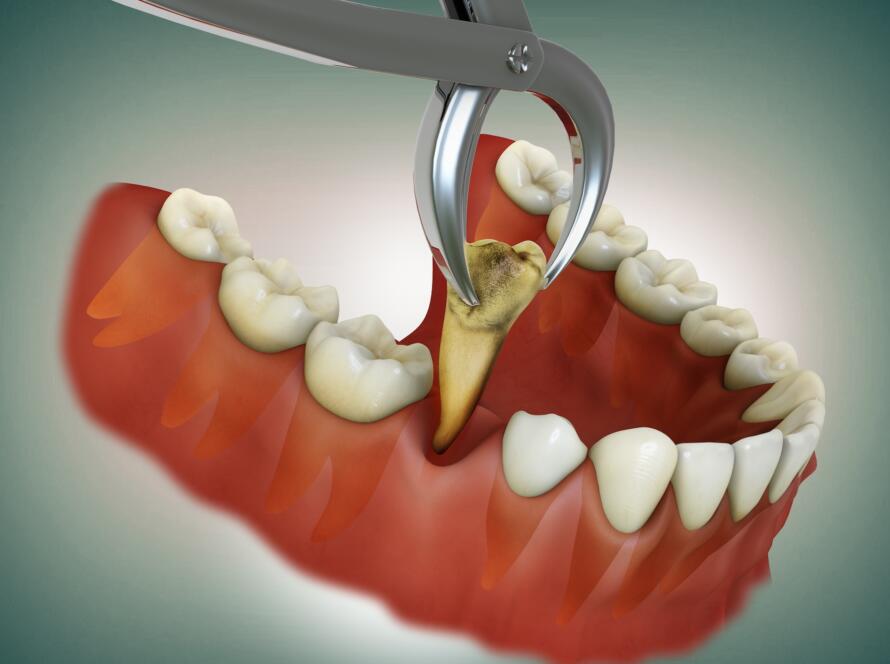
- Perform extractions when a tooth cannot be saved
- Begin root canal treatment for infected teeth
- Stabilize fractured teeth
- Prescribe antibiotics when indicated
- Provide definitive treatment to address the cause of pain
Key point: Emergency dental care addresses the source of the problem, not only the symptoms.
What Urgent Care Can (and Cannot) Do for Tooth Pain
Urgent care clinics treat general medical issues and are not equipped to provide dental procedures.
What urgent care may be able to help with:
- Temporary pain management
- Prescribing short-term pain medication
- Prescribing antibiotics when medically indicated
- Evaluating non-dental medical complications (e.g., fever)
What urgent care cannot do:
- Perform dental X-rays
- Treat the affected tooth
- Drain dental abscesses
- Perform extractions
- Repair broken teeth
- Provide definitive dental treatment
Key point: Urgent care may reduce symptoms temporarily, but it does not resolve the dental cause of pain.
When Urgent Care or the ER May Be Appropriate First
There are situations where urgent care or an emergency room is appropriate before seeing a dentist.
Consider urgent care or the ER if you have:
- Rapidly spreading facial swelling affecting breathing or swallowing
- High fever with systemic symptoms
- Facial trauma with possible fractures
- Uncontrolled bleeding
- Severe medical symptoms beyond dental pain
These settings can help stabilize medical risks but will still refer you to a dentist for definitive dental treatment.
Why Delaying Dental Treatment Often Makes Outcomes Worse
Tooth pain usually indicates infection, inflammation of the nerve, or structural damage. Treating symptoms without addressing the cause can allow disease to progress.
- Infection may spread to surrounding tissues or bone
- Pain may become harder to control
- Teeth that could have been treated conservatively may require extraction
- Treatment may become more complex and more expensive
Quick Decision Guide
Choose an emergency dentist if:
- Pain is localized to a tooth or gums
- There is swelling near a tooth
- A tooth is broken, loose, or knocked out
- You suspect an abscess or infection
- Pain or bleeding started after dental treatment
Choose urgent care or the ER if:
- Breathing or swallowing is affected
- Swelling is spreading rapidly
- There is severe fever or systemic illness
- There is facial trauma
- Bleeding cannot be controlled
What Happens at an Emergency Dental Visit
An emergency dental visit focuses on:
- Diagnosing the cause of pain
- Stabilizing the condition
- Providing relief
- Creating a plan for definitive treatment if additional visits are needed
Many emergencies can be addressed the same day, including extractions and infection management.
If You Need Emergency Dental Care in Carrollton
If you are experiencing tooth pain, swelling, or signs of infection, seeing an emergency dentist is usually the most direct way to resolve the problem.
Learn more about what emergency dental visits involve:
Emergency Dentistry
If you are new to the practice or need to understand scheduling, insurance, or emergency visit policies:
New Patients