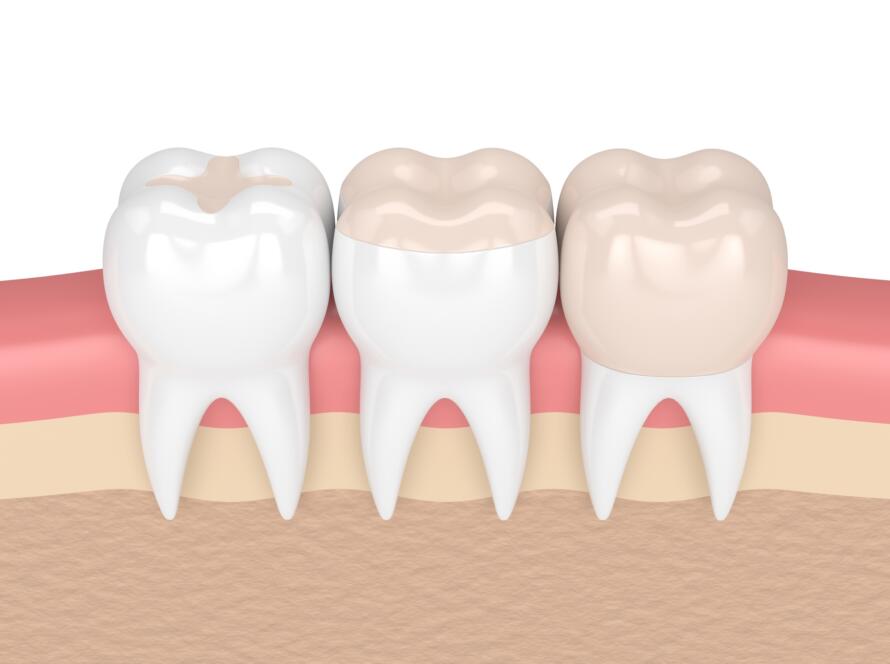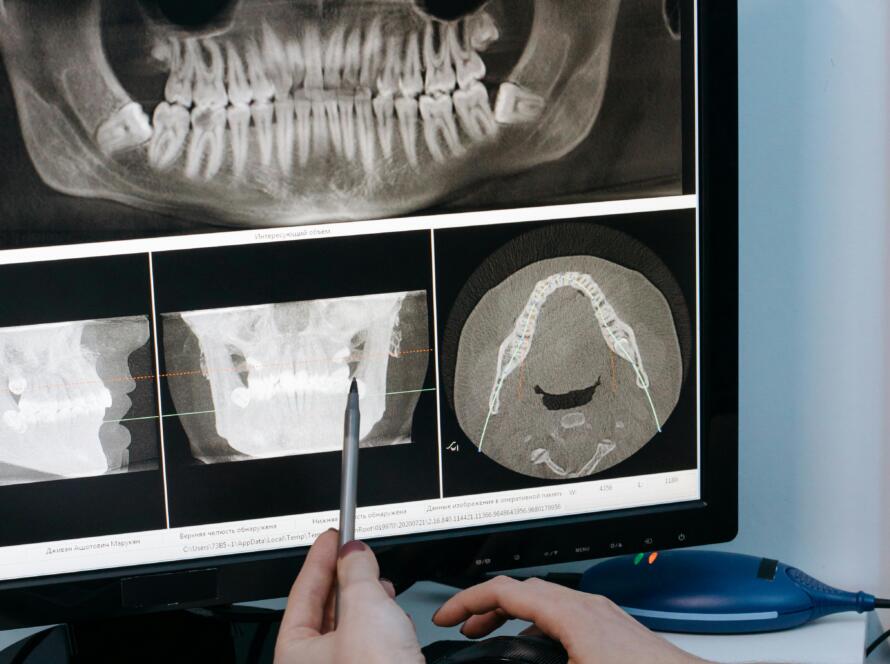

It can feel unsettling to hear that a tooth which once “just needed monitoring” now requires treatment.
A small filling becomes a crown.
A cracked tooth that was stable is now symptomatic.
A tooth once considered restorable is now recommended for extraction.
In most cases, this is not about inconsistency. It is about progression.
Dental recommendations are based on current findings, risk assessment, and long-term predictability. All three can change over time.
1. Dental Problems Rarely Stay the Same
Teeth are exposed to constant forces: chewing, temperature changes, bacteria, and aging materials.
Over time:
- Small cavities expand beneath fillings
- Enamel cracks deepen
- Bone levels decline around teeth
- Restorations weaken at their margins
Many of these changes occur without pain. Symptoms often appear only after the condition has advanced.
When a problem crosses from “low risk” to “structurally compromised,” the appropriate recommendation changes.
2. Monitoring Has Limits
Dentists frequently monitor early findings when:
- The decay is shallow
- A crack is minor and asymptomatic
- Bone loss is stable
- The restoration is intact
Monitoring is not passive. It is an active decision based on risk and predictability.
However, monitoring assumes stability. If imaging, symptoms, or structural changes indicate progression, the threshold for intervention is reached.
At that point, continuing to wait may increase complexity and cost.
3. Risk Profiles Evolve
Two patients can have the same dental finding and receive different recommendations because their risk profiles differ.
Factors that influence risk include:
- History of decay
- Clenching or grinding
- Gum disease history
- Oral hygiene consistency
- Medical conditions
Risk is dynamic. A patient who once had low decay risk may later develop dry mouth, medication changes, or bite stress that alters the outlook.
As risk increases, conservative monitoring may no longer be predictable.
4. Restorations Are Not Permanent
Fillings, crowns, and bridges have a functional lifespan.
Even well-done work eventually experiences:
- Wear
- Microleakage
- Recurrent decay
- Structural fatigue
When a restoration begins to fail, replacing it may be preventive rather than reactive.
The change in recommendation reflects aging materials—not necessarily flawed prior treatment.
5. Treatment Philosophy May Shift Toward Predictability
As conditions worsen, the balance often shifts from short-term repair to long-term stability.
For example:
- A large filling may no longer adequately protect a weakened tooth
- A cracked tooth may have reduced structural integrity
- Repeated patchwork repairs may no longer be durable
At a certain stage, definitive treatment (such as a crown or extraction with replacement) may offer better long-term predictability.
The recommendation changes because the long-term prognosis changes.
6. When a Second Opinion Makes Sense
If a new recommendation feels unexpected, seeking clarification is reasonable.
A comprehensive evaluation should include:
- Current radiographs or imaging
- Explanation of what has progressed
- Discussion of risks of delaying treatment
- Alternatives, including continued monitoring when appropriate
- Long-term prognosis of each option
The objective is clarity—not contradiction.
Questions to Ask When a Plan Changes
If your treatment plan has evolved, consider asking:
- What has changed since my last evaluation?
- Is this urgent, or can it be phased?
- What are the risks of waiting?
- What is the long-term outlook with each option?
Clear, specific answers usually make the reasoning more understandable.
A Structured Approach to Evaluation
At Carrollton Dentistry, treatment recommendations are based on:
- Objective imaging
- Structural integrity of the tooth
- Risk assessment
- Long-term predictability
Some findings can be safely monitored. Others become less predictable over time.
If you are uncertain about a changing diagnosis or would like a comprehensive review of your options, you can learn what to expect during a consultation on our New Patients page.
FAQ: Why Dental Recommendations Change
Why would a dentist change a treatment plan?
Because the condition of the tooth or surrounding structures has progressed, or the long-term risk has increased.
Does a changed recommendation mean the first dentist was wrong?
Not necessarily. Dental conditions evolve. A prior recommendation may have been appropriate at the time.
Should I get a second opinion if my treatment plan changes?
If you feel uncertain, a second opinion can help clarify findings and confirm the long-term outlook before proceeding.