
When a tooth is severely infected or structurally compromised, patients are typically presented with two main options: root canal therapy or extraction.
The decision is not based on pain level alone. Dentists evaluate structural integrity, infection extent, periodontal support, long-term prognosis, and restorative feasibility before recommending one path over the other.
This article explains how that evaluation works.
Step 1: Is the Tooth Restorable?
The first question is not whether the tooth is infected — it is whether the tooth can be predictably restored.
A root canal may be appropriate when:
- Infection is confined to the pulp
- Remaining tooth structure can support a crown
- The fracture pattern is favorable (no vertical root fracture)
- Bone support is stable
- Periodontal disease is controlled
If sufficient structure remains above the gumline and the foundation is strong, preserving the natural tooth is often reasonable.
If not, saving the tooth may lead to repeated complications.
Step 2: Structural Integrity and Fracture Risk
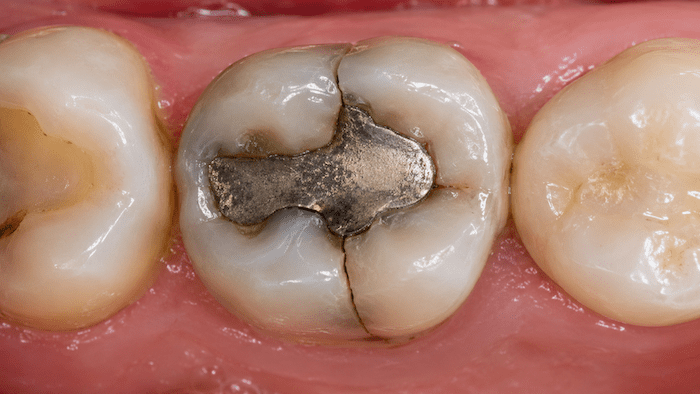
Teeth that have large fillings, cracks, or extensive decay are at higher risk of fracture even after root canal treatment.
Particular concern exists when:
- Decay extends below the gumline
- There is insufficient ferrule (remaining tooth structure for crown support)
- A vertical root fracture is suspected
A root canal removes infection but does not strengthen weakened enamel or dentin. If structural prognosis is poor, extraction may offer greater long-term predictability.
Step 3: Periodontal (Gum and Bone) Health
Even a technically successful root canal can fail if surrounding bone support is inadequate.
Extraction is more likely recommended when:
- There is severe bone loss from periodontal disease
- Tooth mobility is significant
- There is combined endodontic-periodontal involvement with poor prognosis
In these situations, retaining the tooth may not improve long-term stability.
Step 4: Long-Term Restoration Requirements
Root canal treatment is rarely the final step. Most posterior teeth require a full-coverage crown to prevent fracture and reinfection.
Dentists consider:
- Can the tooth support a crown?
- Is additional buildup required?
- What is the projected lifespan of the restoration?
If restorative predictability is low, extraction may be the more stable solution.
When Extraction Is the More Predictable Option
Extraction may be recommended when:
- A vertical root fracture is present
- Decay or damage extends too far below the bone level
- There is severe periodontal compromise
- Previous root canal treatment has failed and retreatment prognosis is poor
Removing the tooth eliminates infection and structural uncertainty. However, it introduces the separate issue of replacement.
What Happens After a Tooth Is Removed?
If a tooth is extracted, dentists evaluate whether replacement is indicated. Replacement options may include:
- Dental implant
- Fixed bridge
- Removable partial denture
- In select cases, monitoring without replacement
Replacing a missing tooth can reduce the risk of:
- Tooth shifting
- Bite changes
- Bone loss over time
The need for replacement depends on the tooth’s position, function, and overall bite stability.
Financial and Practical Considerations
Cost alone should not determine treatment, but it is part of the discussion.
Common comparisons include:
- Root canal + crown versus extraction + implant
- Insurance coverage differences
- Total long-term cost if retreatment becomes necessary
Dentists should outline expected longevity and possible future scenarios for both paths.
Is Saving the Tooth Always Better?
Preserving natural teeth is generally preferred — but only when prognosis is favorable.
If long-term survival is questionable, extraction followed by replacement may offer greater durability and fewer future procedures.
The goal is not simply short-term relief. It is long-term stability.
When a Second Opinion Is Reasonable
Borderline cases exist. Two dentists may weigh fracture risk, periodontal status, or restorative predictability differently.
Questions that can clarify the recommendation include:
- What is the 5- to 10-year prognosis of this tooth?
- What are the risks of root canal failure?
- If the tooth fractures later, what would treatment involve?
- What is the long-term outlook if it is removed and replaced?
Clear explanation of risks and assumptions supports informed consent.