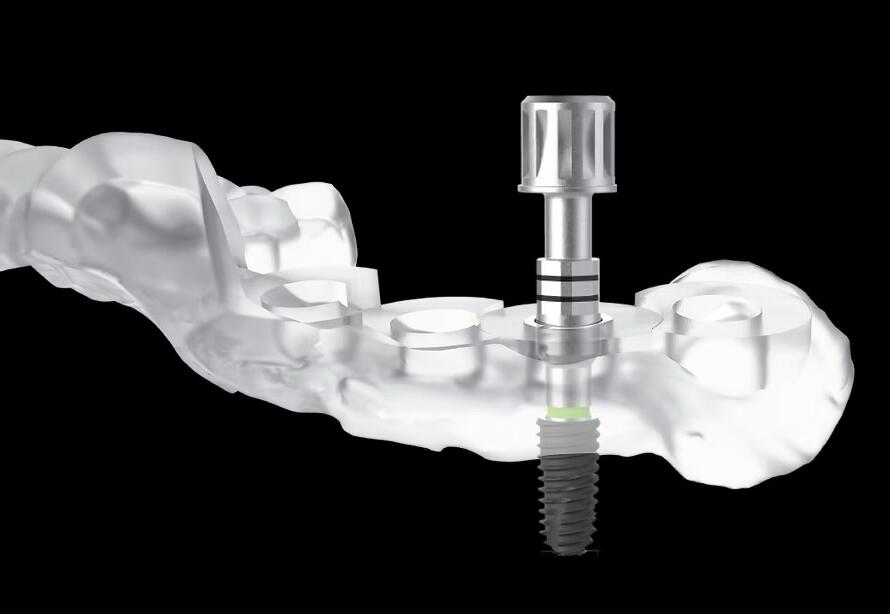

Dental implants are often described as a long-term solution for missing teeth. But their longevity depends less on the implant itself and more on how it is planned, placed, restored, and maintained over time.
This article explains what dentists mean by implant “lifespan,” which parts last longest, and which factors most strongly influence durability.
What “Longevity” Means With Dental Implants
A dental implant system has three distinct components, each with a different expected lifespan:
- Implant post – placed in the jawbone
- Abutment – connects the post to the crown
- Crown – the visible tooth
When dentists say implants “last a lifetime,” they are referring to the implant post, not the crown. The crown and abutment are restorative components and are expected to wear over time.
Although many implants last for years, complications can still develop over time. This guide explains what can happen if a dental implant fails years later and how dentists evaluate whether the problem can be repaired.
Typical Lifespan by Component
Implant Post (in the Bone)
- Designed to last decades, often a lifetime
- High long-term survival when placed in stable bone under appropriate conditions
Once osseointegration is achieved, the implant post rarely needs replacement unless biological or mechanical complications occur.
Implant Crown (the Visible Tooth)
- Commonly lasts 10–20 years
- Subject to wear, bite forces, and material fatigue
Crown replacement does not indicate implant failure.
Factors That Most Affect Implant Longevity
Dentists assess implant durability as a risk-based outcome, not a guarantee. The factors below have the greatest influence.
1. Bone Quality and Volume
Stable bone is essential.
- Adequate volume improves initial stability
- Dense bone supports long-term load distribution
- Grafting may be recommended when bone is insufficient
Bone conditions are evaluated before surgery to reduce long-term risk.
2. Accuracy of Implant Placement
Implants must be positioned correctly relative to:
- Bone anatomy
- Bite forces
- Adjacent teeth and restorations
Suboptimal positioning increases mechanical stress and raises the risk of bone loss or component failure over time.
3. Oral Hygiene and Professional Maintenance
Implants are vulnerable to peri-implant disease, an inflammatory condition affecting the surrounding gums and bone.
Risk increases with:
- Inconsistent home care
- Skipped professional cleanings
- Untreated gum inflammation
Implants require ongoing monitoring, not passive durability.
4. Bite Forces and Grinding Habits
Excessive or uneven forces shorten restorative lifespan.
Dentists evaluate:
- Clenching or grinding
- Bite alignment
- Whether a night guard is indicated
Uncontrolled forces most often damage the crown, but can also stress the implant over time.
5. Systemic Health and Lifestyle Factors
Certain conditions increase long-term risk, including:
- Smoking or vaping
- Poorly controlled diabetes
- Conditions that impair bone healing
These factors affect predictability rather than automatically ruling out implants.
6. Restorative Design and Material Quality
Longevity also depends on:
- Crown material selection
- Laboratory precision
- Fit and load distribution
Well-designed restorations reduce mechanical complications and wear.
What Usually Does Not Limit Implant Lifespan
Implants are not typically compromised by:
- Normal chewing
- Daily function
- Age alone
When properly planned and maintained, implants are designed to tolerate routine functional forces.
Why Implants Often Outlast Other Tooth Replacement Options
Implants tend to perform well long term because they:
- Function independently of neighboring teeth
- Replace the tooth root, not just the crown
- Help preserve surrounding bone
This reduces the chain of failures that can occur with restorations that rely on adjacent teeth.
Long-Term Expectations
A realistic outlook includes:
- Long-term stability of the implant post
- Eventual replacement of the crown
- Periodic evaluation to detect early changes
Longevity is best understood as a managed outcome, supported by planning and maintenance.
Final Perspective
Dental implants are among the most durable tooth replacement options available, but durability is not automatic. Long-term success depends on correct placement, appropriate restoration, and ongoing care. Understanding these factors helps set accurate expectations and supports better outcomes.