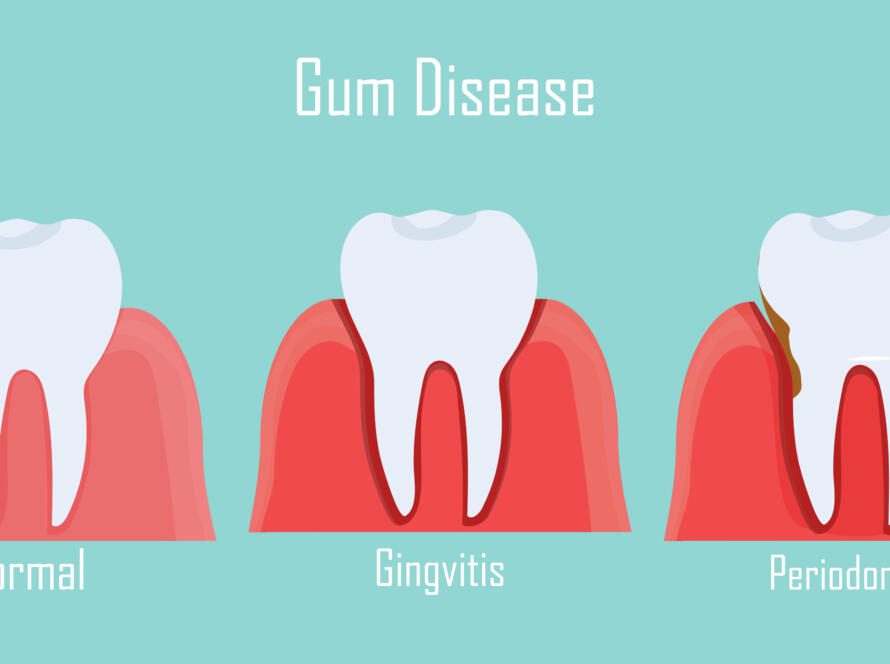

Scaling and root planing (or SRP, often called a “deep cleaning”) is a common treatment for gum disease. Despite the name, SRP is not simply a more thorough version of a regular dental cleaning. It is treatment for bacterial infection below the gumline.
Understanding what SRP does — and what it does not complete on its own — helps patients understand why follow-up visits are part of completing treatment, not an optional extra.
What Scaling and Root Planing Is (and Is Not)
Scaling and root planing (SRP) is recommended when bacteria and hardened buildup (calculus) have accumulated below the gums and caused inflammation and pocketing around the teeth.
SRP involves:
- Removing bacterial buildup from below the gumline
- Cleaning infected root surfaces
- Smoothing root surfaces to reduce bacterial reattachment
- Reducing inflammation so the tissue can begin healing
SRP is not:
- A cosmetic or whitening procedure
- A routine preventive cleaning
- A one-time cure for gum disease
Routine cleanings are performed on healthy gums. SRP is used when infection and tissue breakdown are already present.
Why SRP Is Only the First Phase of Treatment
SRP reduces the bacterial load so the gums have a chance to heal. However, the success of treatment cannot be determined on the day SRP is completed.
After SRP:
- Bleeding may decrease
- Inflammation may improve
- Some gum pockets may shrink
- Other areas may heal more slowly
These changes take time. This is why SRP is considered Phase 1: infection control, not the end of care.
Why the 4–6 Week Re-Evaluation Is Clinically Necessary
A re-evaluation visit is typically scheduled about 4–6 weeks after SRP. This visit is used to assess:
- Whether bleeding has decreased
- Whether gum pocket depths have improved
- Which areas responded well to treatment
- Whether any sites still show active disease
This visit determines:
- Whether healing is progressing as expected
- Whether any areas need further stabilization
- What maintenance schedule is appropriate going forward
Skipping the re-evaluation means the response to treatment is unknown. Infection may appear improved on the surface but remain active below the gums.
What Happens If Follow-Up Care Is Skipped
Gum disease is a chronic condition. SRP lowers bacterial levels, but bacteria naturally repopulate the mouth over time. Without follow-up care:
- Inflammation often returns
- Gum pockets can deepen again
- Bone loss may continue quietly
- Symptoms may remain mild until damage is more advanced
Patients who stop care after SRP frequently require repeat treatment in the future. When disease progresses without maintenance, treatment is typically more extensive and more costly than ongoing care.
What Periodontal Maintenance Typically Looks Like After SRP
After the re-evaluation, many patients are placed on periodontal maintenance rather than routine cleanings. These visits:
- Occur more frequently than standard cleanings
- Focus on infection-prone areas below the gumline
- Help keep bacterial levels controlled
- Reduce the risk of relapse
Over time, if the gums remain stable and healthy, the maintenance schedule may change. The goal is to maintain health long-term rather than react to repeated infection.
To learn more about ongoing care and preventive visits, see our Preventive Care page.
The Big Picture: Treating Infection vs. Maintaining Health
SRP treats active infection.
Follow-up visits confirm healing and help prevent infection from returning.
Both are part of completing care. Skipping follow-up does not simply pause treatment — it increases the likelihood that gum disease will return and require repeat treatment later.
If you have questions about scaling and root planing, re-evaluation visits, or periodontal maintenance, our team can explain how this care pathway applies to your situation.