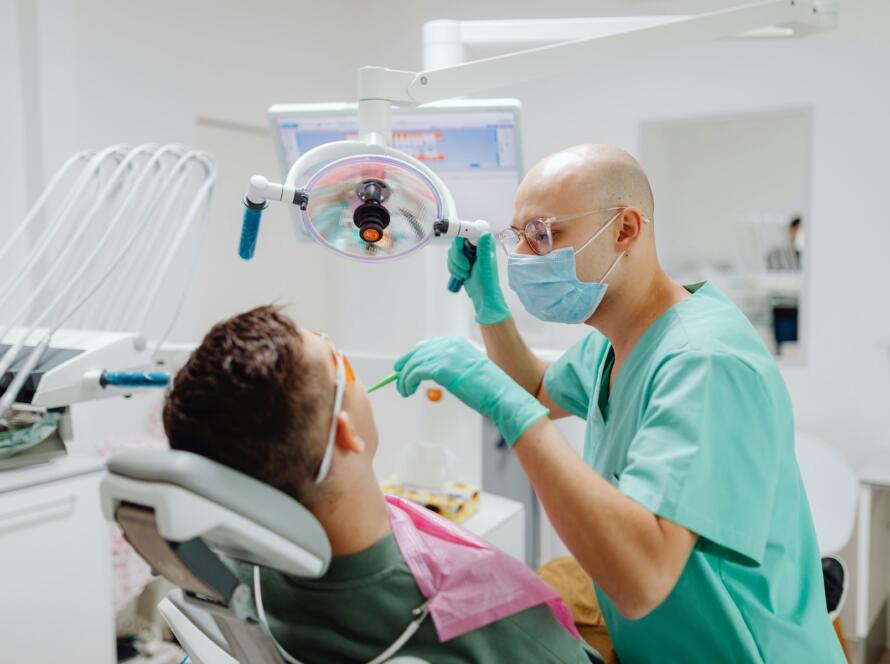

If you have been told you might need sedation for dental treatment, you may be wondering what that actually means. You might be concerned about safety, side effects, or whether sedation is necessary at all.
Sedation dentistry is often discussed in broad or imprecise terms. In reality, it is a controlled, selective option used in specific situations—not a default approach and not the same as being “put to sleep.”
This article explains what sedation dentistry is, how safety is addressed, and who it is typically appropriate for, so you can decide whether it is something worth discussing before scheduling.
What Sedation Dentistry Means (and What It Does Not)
Sedation dentistry refers to the use of medication to reduce anxiety, discomfort, or awareness during dental treatment. It does not necessarily mean being unconscious or “put to sleep.”
Most dental sedation is intended to:
- Reduce anxiety
- Improve comfort
- Allow treatment to proceed more predictably
In most cases, patients remain responsive and able to communicate.
Common Types of Sedation Used in Dentistry
Sedation exists on a spectrum. The level used depends on the procedure, the patient’s anxiety level, and medical considerations.
Nitrous Oxide (Laughing Gas)
- Inhaled during treatment
- Produces relaxation and reduced anxiety
- Effects wear off quickly after the visit
Oral Sedation
- Prescription medication taken before the appointment
- Produces deeper relaxation and drowsiness
- Requires transportation assistance after the visit
IV Sedation
- Administered intravenously by trained providers
- Produces a deeper level of sedation
- Used selectively for certain procedures or patients
General anesthesia is uncommon in routine dental offices and is typically reserved for hospital or surgical settings.
How Safety Is Addressed
Sedation dentistry follows established safety protocols.
Before sedation is recommended, dental teams typically:
- Review medical history and current medications
- Assess anxiety level and treatment requirements
- Determine whether sedation is appropriate
- Select the lowest effective level of sedation
During treatment, safety measures may include:
- Monitoring vital signs
- Adjusting medication based on patient response
- Having emergency protocols in place
Sedation is not offered casually. It is recommended only when the expected benefits outweigh the risks.
Who Sedation Dentistry Is Typically For
Sedation may be appropriate for patients who:
- Experience moderate to severe dental anxiety
- Have difficulty tolerating dental treatment despite other approaches
- Have a strong gag reflex
- Require longer or more complex procedures
- Have medical or physical conditions that complicate treatment
Sedation is not necessary for most routine dental care.
When Sedation May Not Be Recommended
Sedation may be limited or avoided in patients with:
- Certain medical conditions
- Specific medication interactions
- Breathing or airway concerns, depending on sedation type
- Situations where non-sedation approaches are sufficient
These decisions are individualized and discussed in advance.
Sedation Is Optional, Not Automatic
Sedation dentistry is not a default part of dental care.
Most dental offices:
- Begin with non-sedation strategies
- Recommend sedation only when needed
- Discuss alternatives and limitations
- Allow patients to decide without pressure
Sedation is a shared decision, not a requirement.
Sedation Does Not Replace Comfort-Focused Care
Sedation works best when combined with:
- Clear explanations
- Effective local anesthesia
- The ability to pause or stop treatment
- A treatment plan aligned with patient comfort
It supports good care; it does not substitute for it.
Frequently Asked Questions About Sedation Dentistry
Is sedation dentistry safe?
When appropriately selected and monitored, dental sedation is widely used. Safety depends on medical history, sedation type, and adherence to established protocols.
Will I be unconscious?
Usually not. Most dental sedation keeps patients relaxed but responsive. Full unconsciousness is uncommon in office-based dentistry.
Do I need sedation if I feel nervous?
Not necessarily. Many patients manage anxiety through communication, pacing, and local anesthesia alone.
Can I drive myself home afterward?
With nitrous oxide, often yes. With oral or IV sedation, no. Transportation requirements are discussed before treatment.
Is sedation used for cleanings or exams?
Typically no. Sedation is generally reserved for procedures or situations where anxiety or tolerance is a barrier.
Next Step
If you are unsure whether sedation is appropriate for you, a consultation visit focused on discussion and planning can help clarify options. Learn how first visits are structured on our New Patients page.