

If a dentist tells you that a tooth may need to be removed, it can be surprising—especially if it doesn’t hurt much or look badly damaged. You may wonder why extraction is being discussed instead of another repair.
This decision isn’t made casually. It’s based on how a tooth is expected to hold up over time, not just whether something can be done to it today. Understanding how dentists think through this decision can help you evaluate the recommendation and discuss your options more clearly.
The Central Question Dentists Ask
The key question is not simply:
“Can this tooth be fixed today?”
It is:
“Is this tooth likely to remain stable, comfortable, and functional over the long term?”
In most cases, dentists are thinking in terms of whether a tooth can reasonably be expected to function well for 10 years or more without repeated treatment. A tooth may be technically repairable in the short term, yet still carry a high risk of future infection, fracture, or structural failure.
After assessing long-term predictability, dentists consider the cost and complexity of treatment. This comparison helps determine whether attempting to save the tooth offers a reasonable balance between expected benefit, treatment burden, and long-term risk.
Clinical Factors Dentists Evaluate
Dentists look at several factors together rather than in isolation. No single issue automatically means a tooth must be removed, but certain combinations can significantly reduce long-term predictability.
Amount of Remaining Healthy Tooth Structure
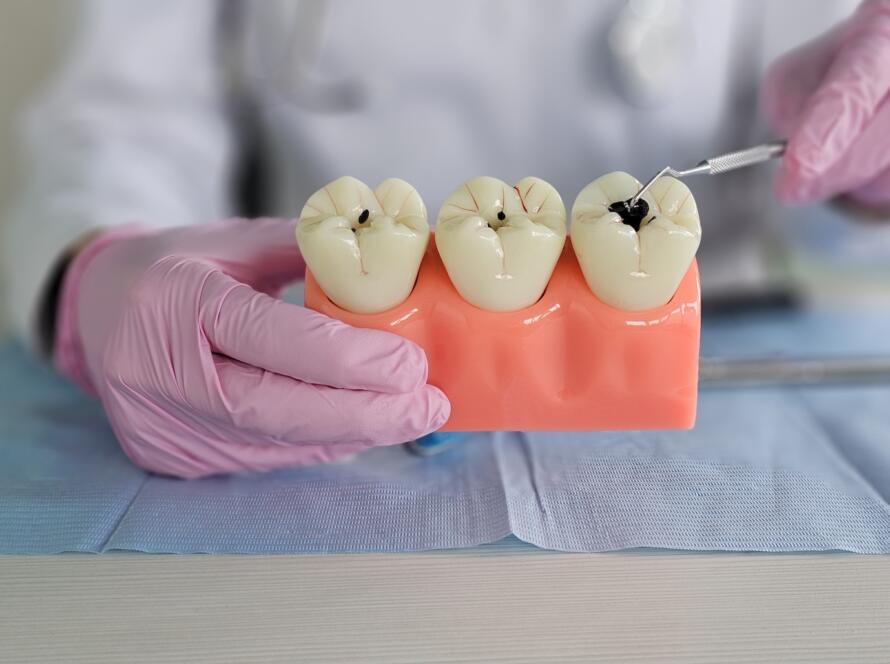
For a tooth to be restored successfully, there must be enough solid structure left to support a filling or crown. Problems arise when:
- Decay extends deep below the gumline
- Large portions of the tooth are missing
- Cracks or fractures weaken the remaining structure
When only limited healthy tooth structure remains, even a carefully placed restoration may struggle to hold up over time.
Bone Support and Gum Health
Teeth rely on surrounding bone and gum tissue for stability. Dentists evaluate factors such as:
- Bone loss related to periodontal (gum) disease
- Tooth mobility
- Chronic inflammation or infection around the tooth
If bone support is significantly reduced, the tooth may not function reliably long-term—even if the visible portion of the tooth appears repairable.
Infection and Prior Treatment History
A tooth’s history also matters. Dentists consider:
- Recurrent infections or abscesses
- Root canals that have failed or required retreatment
- Multiple restorations placed on the same tooth over time
Each episode of infection or retreatment places additional stress on the tooth and surrounding structures, which can reduce the likelihood of long-term success and increase the risk of ongoing problems.
Cracks and Fractures
Not all cracks affect a tooth in the same way.
- Minor surface cracks (often called craze lines) are common and usually harmless
- Structural cracks, especially those extending into the root, are far less predictable
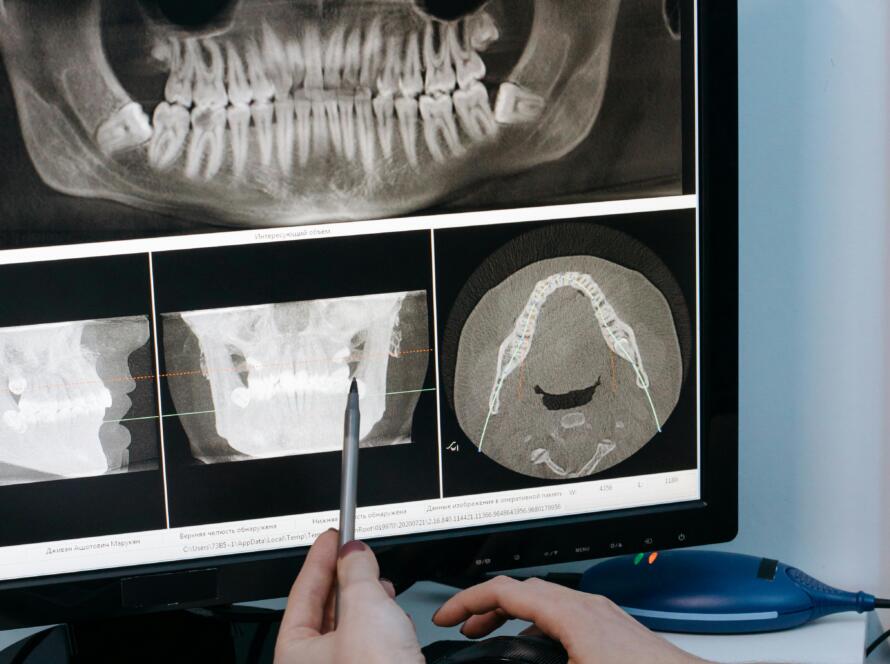
Many structural cracks are not clearly visible on X-rays. They are often identified based on symptoms, bite testing, and clinical examination rather than imaging alone. Vertical root fractures, in particular, are generally not restorable.
Bite Forces and Tooth Position
How a tooth functions in your mouth also matters:
- Back teeth absorb greater chewing forces
- Grinding or clenching increases stress on restorations
- Certain bite patterns raise the risk of fracture
A repair that may be reasonable for a front tooth may not perform predictably on a heavily loaded back tooth.
When Trying to Save a Tooth May Cause More Harm
In some situations, attempting to save a compromised tooth can lead to additional problems, including:
- Ongoing or recurrent infection
- Progressive bone loss that complicates future treatment
- Repeated procedures with decreasing predictability
- Increasing treatment complexity over time
In these cases, removing the tooth may help limit further damage rather than represent a failure of care.
When a Tooth Can Be Saved
Many teeth can be saved successfully when:
- Enough healthy tooth structure remains
- Infection is localized and manageable
- Bone support is stable
- You understand the limitations and long-term expectations
Saving a tooth is often appropriate when the expected outcome is stable and predictable, even if monitoring or future treatment may be needed.
Why You May Hear Different Recommendations
It’s not unusual to receive different recommendations from different dentists. This can happen for several reasons, including:
- Differences in how long-term risk is assessed
- Variation in available diagnostic tools or technology
- Differences in clinical experience
- Your preferences and tolerance for future treatment
Different recommendations usually reflect how risks and long-term outcomes are weighed—not disagreement about the underlying condition of the tooth.
Questions You Can Ask
If you’re facing this decision, you may find it helpful to ask:
- “What is the long-term outlook for this tooth?”
- “What signs would suggest that it’s failing?”
- “What are the risks of trying to save it?”
- “How might this decision affect future options?”
These questions are meant to support clear communication and shared understanding.
Framing the Decision Correctly
Removing a tooth is not a failure, and saving a tooth is not always a success. The goal of dental treatment is long-term oral health, comfort, and function—not preserving a tooth at any cost.
In some cases, tooth extraction may be recommended as the most predictable way to protect your overall oral health and reduce future complications. Clear discussion of the factors involved allows you and your dentist to make decisions based on long-term outcomes rather than short-term repair alone.

4 Comments
Comments are closed.