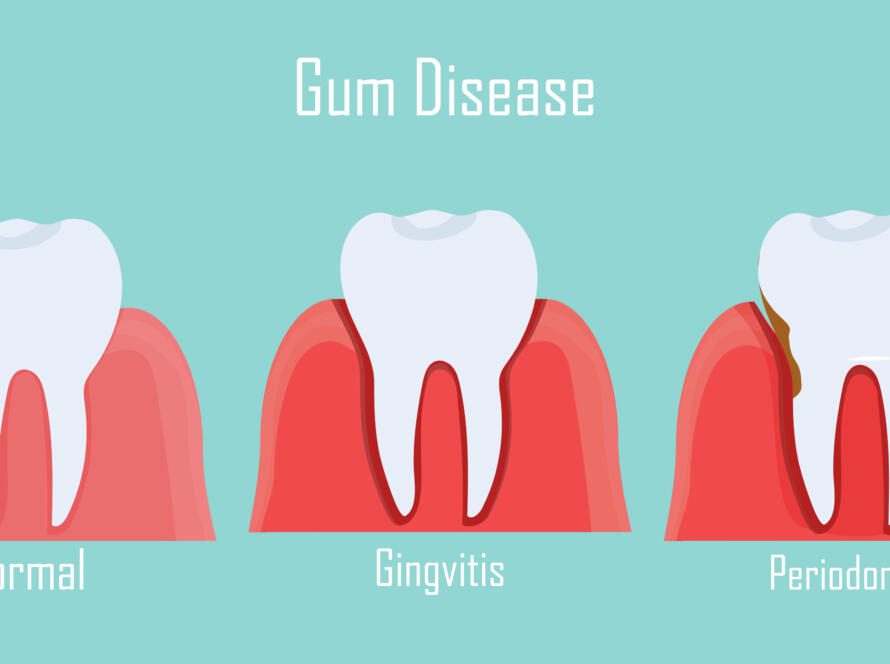

Gum disease rarely starts with pain.
In its early stages, inflammation of the gums is often mild, painless, and easy to dismiss. Many patients assume what they are noticing is normal or temporary. It usually is not.
Early gum disease (gingivitis) can progress quietly. The signs are subtle, but they are clinically meaningful.
Early Gum Disease Is Often Painless
Most patients expect dental problems to hurt.
Gum disease often does not—at least not at first.
You may notice:
- Bleeding when brushing or flossing
- Gums that appear red or slightly swollen
- Persistent bad breath
- Mild tenderness along the gumline
You may not notice:
- Pain
- Tooth looseness
- Obvious gum recession
Because discomfort is usually absent, these early changes are commonly ignored.
What These Early Signs Usually Mean
Healthy gums do not bleed easily and are typically firm and light pink.
Early changes usually reflect inflammation caused by bacteria accumulating along the gumline. Common contributors include:
- Plaque buildup
- Missed or inconsistent professional cleanings
- Areas that are difficult to clean at home
- Smoking or vaping (which can reduce symptoms while disease progresses)
Bleeding gums, in particular, are one of the earliest and most reliable warning signs of inflammation. They are a biological response to irritation and infection—not a normal reaction to brushing.
Why These Signs Shouldn’t Be Ignored
When inflammation is left untreated, gingivitis can progress to periodontitis. This more advanced stage involves damage to the tissues and bone that support the teeth.
Possible consequences include:
- Gum recession
- Permanent bone loss
- Teeth that feel loose or shift
- More complex treatment over time
Early gum disease is often manageable and reversible. Advanced gum disease is not.
Why Home Care Alone Is Often Not Enough
Many patients respond to bleeding or tenderness by brushing harder or avoiding flossing.
Neither approach addresses the cause.
- Brushing aggressively can worsen tissue irritation
- Skipping flossing allows bacteria to remain below the gumline
- Hardened tartar cannot be removed at home
The goal is not more force. The goal is reducing bacterial inflammation in areas that home care cannot fully reach.
The Role of Professional Preventive Care
Professional cleanings remove plaque and tartar from beneath the gumline and along areas that are difficult to clean at home. This gives inflamed tissue the chance to heal.
Preventive care typically includes:
- Thorough hygiene cleanings
- Evaluation of gum measurements
- Identification of early changes
- Guidance on targeted home care
When early inflammation is addressed appropriately, bleeding and tenderness often resolve. Preventive care is the appropriate first step.
Laser Gum Therapy in Early Inflammation
For some patients with persistent gum inflammation, laser gum therapy may be recommended as part of preventive care.
Laser therapy may help:
- Reduce bacteria below the gumline
- Decrease inflammation
- Support healthier tissue healing
It is not necessary for every patient and is used alongside—not instead of—professional cleanings.
When These Signs Should Be Evaluated
You should schedule an evaluation if:
- Bleeding occurs consistently
- Redness or swelling persists
- Bad breath does not improve
- You have not had a professional cleaning in a long time
Early gum changes are not something to monitor indefinitely without assessment.
The Bottom Line
Early gum disease often does not hurt. That is why it is commonly ignored.
Bleeding, redness, and chronic bad breath are early warning signs—not normal variations. When addressed early through preventive care, treatment is typically straightforward. When delayed, gum disease becomes harder to manage and more likely to cause permanent damage.
If you are noticing these changes, preventive care is the appropriate next step.