
f you’re missing a tooth and comparing replacement options, the two most common recommendations are dental implants and dental bridges. While both restore appearance and function, dentists evaluate them very differently. The recommendation is based on biology, long-term predictability, and the condition of the surrounding teeth—not simply convenience.
This guide explains how dentists compare implants and bridges so you can better understand the reasoning behind a treatment plan.
What a Dental Implant Replaces
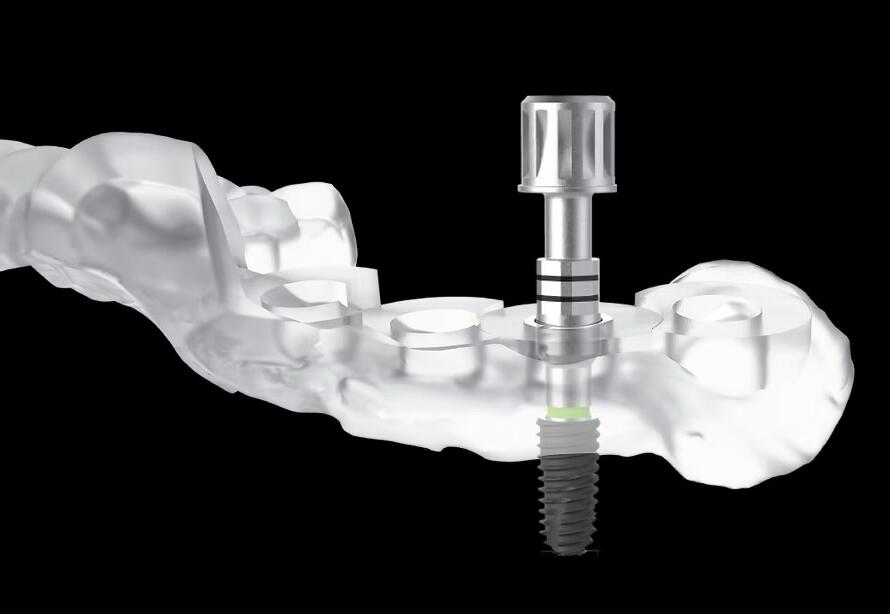
A dental implant replaces both the visible tooth and the root beneath it.
An implant includes:
- A titanium post placed in the jawbone
- A connector (abutment)
- A crown that functions as the tooth
Because the implant integrates with bone, it functions independently and does not rely on neighboring teeth for support.
What a Dental Bridge Replaces
A dental bridge replaces only the visible portion of a missing tooth.
A traditional bridge:
- Uses the two adjacent teeth as anchors
- Requires those teeth to be reshaped
- Suspends a replacement tooth between them
The missing root is not replaced, and the supporting teeth absorb the load.
How Dentists Evaluate Implants vs. Bridges
Dentists compare these options across several clinical dimensions rather than treating them as interchangeable solutions.
1. Effect on Adjacent Teeth
Dental implants
- Do not involve neighboring teeth
- Preserve natural tooth structure
Dental bridges
- Require permanent reduction of adjacent teeth
- Increase long-term stress on those teeth
When neighboring teeth are healthy, dentists often prefer not to alter them.
2. Bone Preservation
Dental implants
- Stimulate the jawbone during chewing
- Help prevent bone loss where the tooth was missing
Dental bridges
- Do not stimulate bone
- Bone loss may continue beneath the bridge
Bone preservation is a major reason implants are frequently recommended when feasible.
3. Longevity and Predictability
Dental implants
- Designed for long-term function
- Low failure rates when placed under appropriate conditions
Dental bridges
- Typically last 7–15 years
- More vulnerable to failure from decay or damage to supporting teeth
Dentists consider how many future repairs or replacements you may face over time.
4. Oral Hygiene and Maintenance
Dental implants
- Cleaned like natural teeth
- No special cleaning tools required
Dental bridges
- Require floss threaders or specialized techniques
- Higher risk of decay if cleaning is inconsistent
Ease of hygiene is a practical factor in long-term success.
5. Treatment Timeline and Healing
Dental implants
- Require a surgical phase
- Healing and integration take several months
Dental bridges
- Can often be completed more quickly
- No surgical healing period
Dentists weigh urgency, healing tolerance, and scheduling constraints.
6. Existing Dental and Medical Conditions
Before recommending either option, dentists evaluate:
- Gum health
- Bone volume and density
- Condition of adjacent teeth
- Bite forces and grinding habits
Examples:
- If adjacent teeth already need crowns, a bridge may be reasonable
- If adjacent teeth are healthy, an implant is often preferred
Why Implants Are Often Preferred When Appropriate
From a biological perspective, implants most closely replicate a natural tooth. They:
- Preserve bone
- Protect neighboring teeth
- Reduce future restorative cycles
This does not mean implants are always the correct choice—but they are often the most conservative long-term option when conditions allow.
When a Bridge May Still Be the Right Choice
A bridge may be recommended when:
- Bone volume is insufficient and grafting is not desired
- Medical factors limit surgical treatment
- Adjacent teeth already require crowns
- Treatment timing is a priority
Dentists balance these factors rather than defaulting to one option.
Choosing the Right Option for You
The right solution depends on your oral health, anatomy, and long-term goals—not just the missing tooth. A comprehensive evaluation allows your dentist to explain why one option may be more predictable than the other in your specific situation.