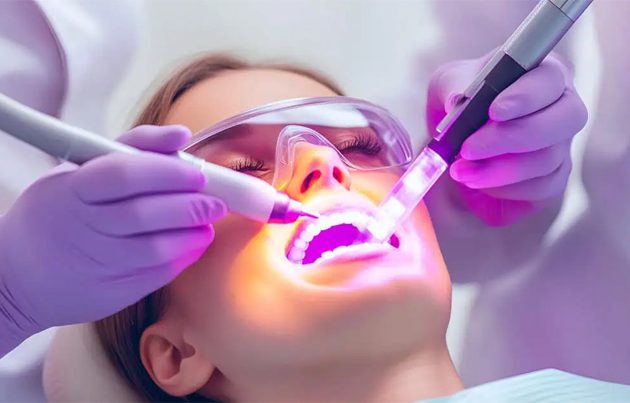

Many people assume that once a crown, bridge, or dental implant is placed, the problem has been permanently solved.
In reality, major dental treatment often makes ongoing preventive care even more important.
Dental restorations repair damaged teeth and restore function, but they still rely on the same biological support system as natural teeth: healthy gums, stable bone, and controlled bacterial plaque.
Without consistent preventive dental care, even well-performed dental work can develop complications over time.
Understanding why maintenance becomes more important after treatment helps protect the long-term stability of your oral health.
Dental Restorations Still Depend on Healthy Gums and Bone
Crowns, bridges, and implants restore damaged or missing structures, but they do not replace the supporting tissues that keep teeth stable.
Successful long-term outcomes still depend on:
- Healthy gums
- Stable supporting bone
- Controlled plaque and bacteria
- Balanced bite forces
If plaque accumulates around a restoration, the surrounding tissues can become inflamed or infected, just as they can around natural teeth.
Preventive care helps maintain the environment that allows dental work to function properly for many years.
Gum Inflammation Can Undermine Dental Work
Gum health is one of the most important factors affecting the longevity of dental restorations.
When gums become inflamed or infected, several problems may develop:
- Bone loss around teeth or implants
- Gum recession exposing crown margins
- Increased risk of decay around restorations
- Implant complications such as peri-implantitis
Routine professional cleanings help remove bacterial buildup and reduce the risk of these complications.
This is one reason dentists often focus on stabilizing gum health before and after major dental treatment.
Restorations Can Create Areas That Are Harder to Clean
Many restorations slightly change the shape or contours of the teeth.
For example:
- Crowns wrap around damaged tooth structure
- Bridges connect multiple teeth together
- Implant restorations meet the gumline differently than natural teeth
These designs are necessary for strength and stability, but they can also create areas where plaque accumulates more easily.
Professional cleanings help remove buildup in areas that are difficult to reach with brushing and flossing alone.
Your dentist may also recommend additional home-care tools such as:
- Interdental brushes
- Water flossers
- Floss threaders for bridges
These tools help patients maintain restorations more effectively between visits.
Early Problems Around Dental Work Are Often Subtle
Complications around dental restorations rarely begin with pain.
Early signs may include:
- Mild gum inflammation
- Small areas of decay near crown margins
- Early bone changes around implants
- Bite changes that increase stress on restorations
Because these changes can develop gradually, regular examinations are important for identifying problems early.
Early detection often allows simpler treatment and helps avoid more complex procedures later.
Preventive Care Protects Your Long-Term Investment
Major dental treatment is designed to restore function, comfort, and stability.
However, the longevity of dental work depends heavily on long-term maintenance.
Patients who maintain consistent preventive care often experience:
- Longer-lasting restorations
- Fewer dental emergencies
- Lower risk of retreatment
- Better long-term oral stability
Preventive care helps ensure that dental treatment continues to function as intended.
The Bottom Line
Crowns, bridges, and dental implants restore damaged teeth, but they still depend on healthy gums and bone for long-term success.
Regular professional cleanings and examinations help protect both natural teeth and dental restorations by controlling plaque buildup and identifying early changes before they become serious problems.
Preventive care remains one of the most important factors in maintaining oral health after major dental treatment.