
Many people go years without seeing a dentist. Common reasons include cost concerns, busy schedules, dental anxiety, or the belief that care isn’t necessary if nothing hurts.
The challenge is that most dental disease progresses quietly. By the time discomfort appears, the condition is often more advanced.
Here is what typically happens when routine dental care is avoided over a long period.
1. Plaque Accumulates and Hardens
Even with consistent brushing, plaque builds up along the gumline and between teeth. Without professional cleanings, it hardens into tartar (calculus).
Tartar:
- Cannot be removed at home
- Traps bacteria below the gumline
- Increases chronic gum inflammation
This stage is often painless and easy to overlook.
2. Early Gum Inflammation Progresses
Gingivitis (early gum inflammation) is common and usually reversible.
When left untreated for years, it can progress to periodontitis. At this stage:
- Gums separate from teeth
- Bone supporting the teeth begins to deteriorate
- Teeth may become mobile
- The risk of tooth loss increases
Bone loss is cumulative and does not regenerate on its own. The longer it progresses, the more treatment may be required to stabilize it.
3. Small Cavities Become Structural Damage
Tooth decay generally worsens over time.
A cavity that could have been treated with a simple filling may eventually:
- Extend into deeper tooth layers
- Involve the nerve
- Lead to infection or abscess
Early treatment is conservative. Delayed treatment often becomes more invasive.
4. Existing Dental Work Breaks Down
Fillings, crowns, and other restorations do not last indefinitely.
Without periodic evaluation:
- Margins can leak
- Decay can develop underneath restorations
- Fractures can form unnoticed
Patients are sometimes surprised when a tooth “suddenly” breaks, but the weakening process often began years earlier.
5. Bite Changes and Tooth Movement Occur
If one or more teeth are missing and not replaced:
- Adjacent teeth may shift
- Opposing teeth may over-erupt
- Bite forces redistribute unevenly
These changes can create additional wear, jaw strain, and more complex restorative needs later.
6. Problems Accumulate Instead of Isolate
When routine visits are skipped for years, issues tend to develop simultaneously rather than individually.
Instead of addressing one minor concern, a patient may present with:
- Multiple cavities
- Gum disease
- Failing restorations
- Bite instability
Treatment planning becomes more layered and phased.
7. Financial Impact Often Increases
Avoiding care to reduce short-term expense can unintentionally increase long-term cost.
Preventive visits are typically the least expensive form of dental care. As disease progresses:
- Treatment becomes more extensive
- Appointments become longer
- Recovery may take more time
This is not universal—but statistically, earlier intervention is simpler and less costly.
8. Anxiety Often Grows Over Time
The longer someone avoids dental care, the harder it can feel to return.
Common concerns include:
- Embarrassment about the condition of teeth
- Fear of needing extensive work
- Worry about being judged
In clinical practice, the focus is on current health and practical next steps—not on how long it has been.
If It Has Been Several Years
If you have avoided dental care for a long time, the most important step is evaluation—not assumption.
A comprehensive exam generally includes:
- Assessment of teeth and existing restorations
- Evaluation of gum health
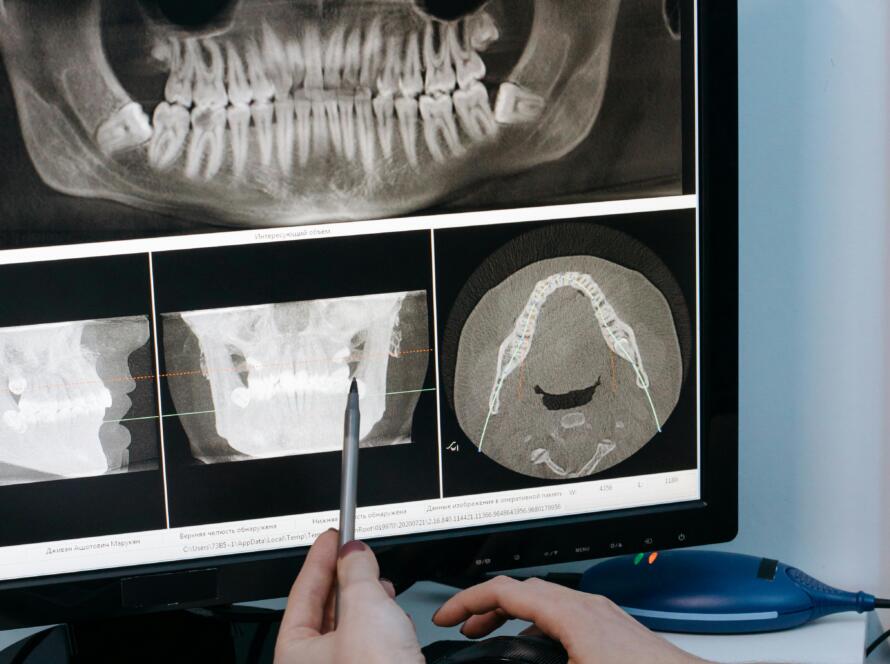
- Diagnostic imaging to identify hidden concerns
- A phased, prioritized treatment plan when needed
In many cases, conditions are more manageable than patients expect.
If you are returning after a long gap, you can review what to expect on our New Patients page before scheduling.
Final Perspective
Avoiding dental care for years does not guarantee severe damage. Some individuals experience slower progression than others.
However, dental disease is typically gradual and cumulative. The longer it goes unmonitored, the greater the likelihood that small, preventable issues will expand into more complex ones.
Resuming care—at any point—helps stabilize your oral health and clarify next steps.
Common Questions About Avoiding the Dentist for Years
How bad is it if I haven’t been to the dentist in 5 years?
It depends on your individual risk factors, home care habits, and medical history. Some people experience slow progression of disease, while others may develop gum disease, cavities, or bone loss during that time. An exam is the only way to determine current status.
Can teeth recover after years without care?
Teeth and gums cannot reverse advanced structural damage on their own. However, many conditions can be stabilized once identified. Early evaluation improves treatment options.
Will I need a lot of dental work if I’ve avoided care?
Not necessarily. Some patients require only preventive or moderate treatment. Others may need phased care. Treatment planning is typically prioritized based on urgency and long-term stability.