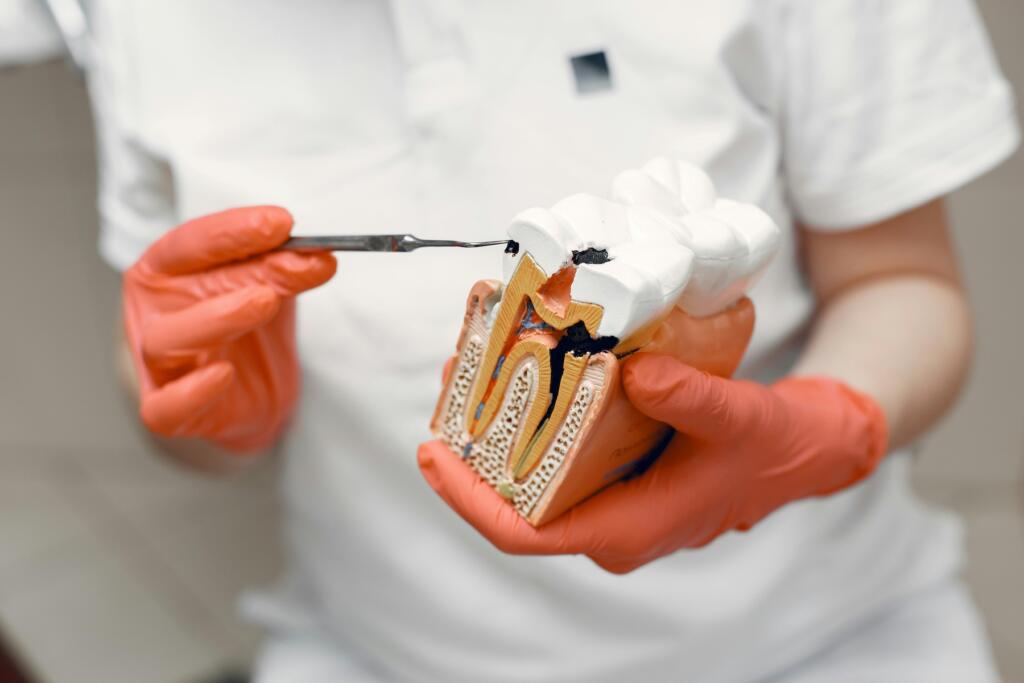
Root canal therapy treats infection or inflammation inside a tooth caused by deep decay, cracks, or trauma. When the nerve becomes infected, pressure builds inside the tooth, leading to pain, swelling, and potential abscess formation.
Root canal treatment removes infected tissue, disinfects the canals, and seals the tooth to prevent reinfection. In many cases, this allows the natural tooth to be preserved rather than extracted.
At Carrollton Dentistry, root canal therapy is recommended only when clinical findings and imaging indicate the tooth can be predictably stabilized and restored.
Root canal therapy is recommended when infection or inflammation reaches the inner pulp of the tooth. Common causes include:
Deep cavities that reach the nerve
Cracks or fractures that expose the pulp
Trauma that damages the nerve without visible cracking
Repeated dental procedures on the same tooth
Dental abscess or localized swelling near the root tip
Symptoms that may indicate the need for root canal therapy:
Persistent or throbbing tooth pain
Pain when chewing or applying pressure
Prolonged sensitivity to heat or cold
Swelling of the gums or face
A pimple-like bump on the gums
Darkening of the tooth
Not all infected teeth cause pain. Some infections are detected on X-rays before symptoms develop.
Patients
80808080+
Years
80+
5-Star Reviews
808080+
Smiles
808080%
What Happens During a Root Canal Procedure
Root canal therapy follows a structured clinical process:
Diagnosis and Imaging
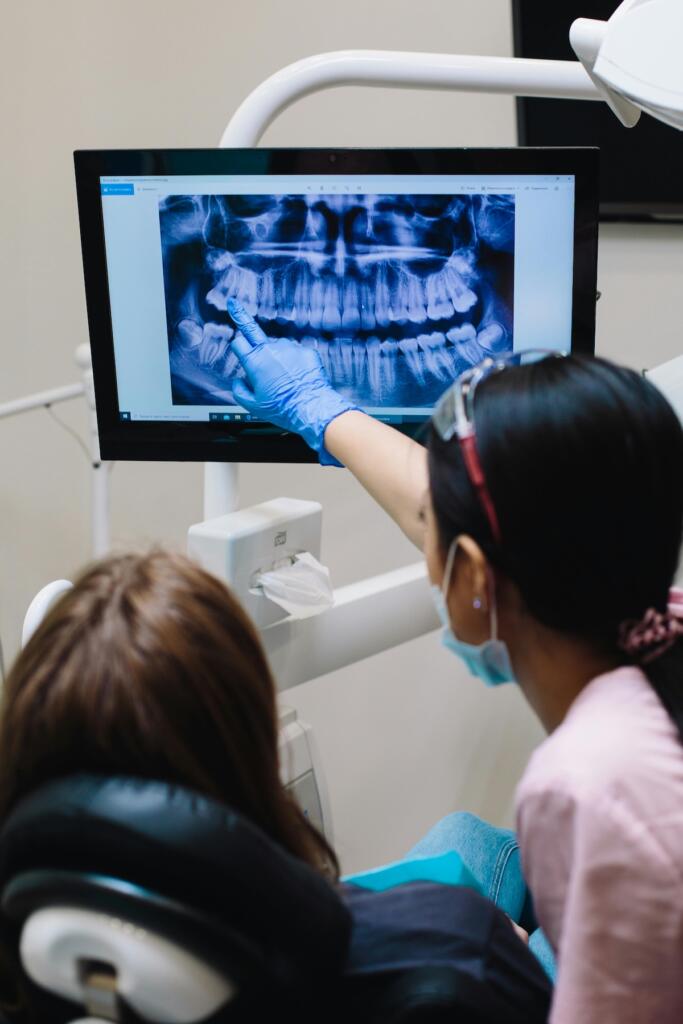
Digital X-rays and clinical evaluation confirm infection and assess canal anatomy.
Anesthesia and Isolation
Local anesthesia is used. The tooth is isolated to prevent contamination.
Removal of Infected Tissue
Infected nerve tissue and bacteria are removed from the canals.
Cleaning and Disinfection
The canals are shaped and disinfected to reduce residual bacteria.
Sealing the Tooth
The canals are sealed with a biocompatible filling material to prevent reinfection.
Restoration (Crown or Filling)
Most posterior teeth require a crown after root canal therapy to reduce fracture risk.
Is Root Canal Therapy Painful?
With modern anesthesia, root canal therapy is typically no more uncomfortable than placing a filling.
Pain prior to treatment is caused by infection and pressure inside the tooth. Root canal therapy removes the source of that pain. Mild soreness afterward is expected and usually resolves within several days.
Root Canal vs Tooth Extraction
Root canal therapy is recommended when a tooth can be predictably saved and restored.
Benefits of saving the natural tooth:
Preserves normal chewing function
Maintains jawbone support
Prevents shifting of nearby teeth
Reduces need for implants or bridges
Extraction may be recommended when:
The tooth cannot be structurally restored
Fracture extends below the gumline
Infection cannot be predictably resolved
Long-term prognosis is poor
Treatment recommendations are based on long-term stability, not only symptom relief.
How Long Does a Root Canal Last?
Root canal therapy can last many years when the tooth is properly cleaned, sealed, and restored with a crown when indicated. Longevity depends on:
Amount of remaining tooth structure
Quality and timing of the final restoration
Bite forces and parafunctional habits
Ongoing preventive care
Root canal therapy removes infection but does not strengthen the tooth. Proper restoration is required to reduce fracture risk.
Why Root Canal Treatment Can Fail
Root canal treatment has a high success rate, but failure can occur due to:
Complex or missed canal anatomy
Delayed or inadequate crown placement
New decay that allows bacterial re-entry
Tooth fractures
Reinfection over time
If symptoms recur, retreatment or referral to an endodontist may be appropriate based on case complexity.
Cost and Insurance Considerations
Root canal therapy costs vary based on:
Tooth type (front tooth vs molar)
Canal complexity
Whether retreatment is required
Restoration needed afterward
Insurance coverage depends on the plan and carrier. A personalized estimate is provided before treatment.
Why Choose Carrollton Dentistry for Restorative Care?
Quality Materials
We never cut corners — only trusted labs and proven materials.
Attention to Detail
From bite alignment to finishing touches, we prioritize comfort and durability.
Advanced Skill
Dr. Song's surgical and restorative expertise means even complex cases can be treated in-house.
Clear Communication
You'll understand your options and costs before we begin.
Common Questions
Is root canal therapy always done in one visit? Some cases are completed in one visit; others require multiple visits based on infection severity and anatomy.
Do I always need a crown after a root canal? Posterior teeth usually require crowns due to fracture risk. Anterior teeth may sometimes be restored with fillings.
Can an infected tooth heal without a root canal? Infections inside the tooth do not resolve without removing infected pulp tissue. Antibiotics alone do not eliminate pulp infections.
What happens if I delay treatment? Infection can spread, bone loss can progress, and the tooth may become non-restorable
Schedule an Evaluation
If you have tooth pain, swelling, or signs of infection, an evaluation can determine whether root canal therapy or another treatment is appropriate.