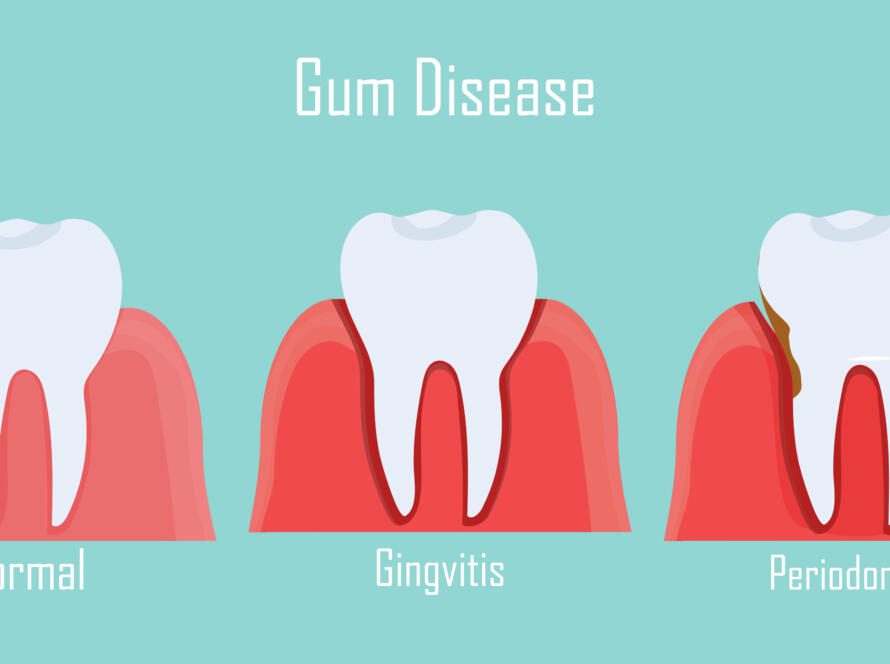

Most people are told to get dental cleanings “every six months.” That guideline is convenient, but it is not universal. The clinically appropriate interval depends on your gum health, disease history, medical risk factors, and how quickly plaque and tartar accumulate for you.
This guide explains how cleaning frequency is determined, what counts as a “cleaning,” and how often different patients are typically scheduled.
The Short Answer (Risk-Based Intervals)
- Low risk (healthy gums, low decay risk): every 6 months
- Moderate risk (gingivitis, frequent tartar buildup): every 3–4 months
- History of gum disease: periodontal maintenance every ~3 months
- Higher medical risk (e.g., diabetes, smoking, dry mouth, orthodontics, implants): often 3–4 months
Cleaning intervals should be set after a clinical exam and updated as your risk profile changes.
What “Dental Cleaning” Means (Why Frequency Varies)
Patients often use “cleaning” to describe different clinical procedures:
- Prophylaxis (routine cleaning): for patients without active periodontal disease
- Periodontal maintenance: ongoing care after gum disease treatment
- Scaling and root planing (SRP / deep cleaning): treatment phase for active periodontal disease
Frequency depends on which category applies to you. Patients on periodontal maintenance are typically seen more often than patients receiving routine prophylaxis.
What Determines Your Ideal Cleaning Interval
Gum Health History
Prior or current periodontal disease increases the risk of relapse. Shorter recall intervals help control inflammation and bacterial load.
Rate of Tartar Formation
Some patients mineralize plaque rapidly despite good home care. Faster buildup supports shorter intervals.
Medical Risk Factors
Diabetes, smoking, medications that reduce saliva, and immune conditions increase risk of gum disease and decay.
Restorations, Orthodontics, and Implants
Brackets, crowns, bridges, and implants create plaque-retentive areas. More frequent professional cleaning reduces complications (including peri-implant inflammation around implants).
Home Care Effectiveness
Consistent brushing and interdental cleaning can justify longer intervals. Inconsistent home care often warrants shorter recall.
Is “Every Six Months” Evidence-Based?
Partly. Twice-yearly cleanings are appropriate for many low-risk adults. However, clinical guidance and systematic reviews support risk-based recall rather than a fixed schedule for everyone. Patients with higher risk benefit from shorter intervals.
Insurance Coverage vs. Clinical Need
Insurance coverage is not the same as clinical recommendation.
- Many PPO plans cover two routine cleanings per year.
- Periodontal maintenance is billed differently and may have different coverage limits.
- Some patients clinically benefit from more frequent visits than their plan covers.
Recall intervals should be determined by health need first; coverage is a separate constraint.
What Happens If Cleanings Are Delayed
- Plaque mineralizes into tartar that cannot be removed at home
- Gum inflammation can progress to attachment loss in susceptible patients
- Early decay and cracks may go undetected
- Implant and crown margins accumulate bacteria, increasing complication risk
Longer gaps increase the likelihood that the next visit is more involved and more costly.
How Your Recall Interval Is Set
At your exam and cleaning, your provider typically reviews:
- Bleeding on probing and pocket depths
- Plaque and tartar accumulation
- X-ray findings
- Medical history and medications
- Prior periodontal history
Your recall interval should be documented and adjusted as your oral health changes.
Practical Examples
- Healthy adult, no gum disease: every 6 months
- Bleeding gums or heavy buildup: every 3–4 months
- Completed SRP in the past: periodontal maintenance every ~3 months
- Implants with otherwise good home care: often every 4 months initially, then reassess
Dental Cleaning Frequency FAQs
Is frequent professional cleaning harmful to enamel?
When performed correctly, professional scaling and polishing do not damage enamel. Risk is associated with unnecessary or overly aggressive instrumentation, not routine preventive care.
Can I move back to 6-month visits after 3-month maintenance?
Sometimes. If inflammation resolves and risk factors improve, intervals can be lengthened based on clinical findings.
Is age a reason to come in more often?
Age alone is not. Risk profile and disease history determine frequency.
What if I only come in when something hurts?
Pain-driven care misses early disease. Preventive intervals aim to catch problems before symptoms appear.
Next Steps
If you are unsure which recall category applies to you, a preventive exam can clarify your risk and recommended interval.
Preventive Care →