
If dental treatment has been recommended but described as “not urgent,” you may be unsure how long it’s reasonable to wait. Symptoms may be mild, come and go, or seem manageable, making it difficult to tell whether delaying treatment is harmless or could lead to more complicated problems later.
In dentistry, timing matters—but not every condition progresses the same way. Some issues can be monitored safely for a period of time, while others become less predictable when treatment is delayed. Understanding the difference helps you decide when waiting is reasonable and when it may increase risk.
Not All Dental Problems Progress the Same Way
Dental conditions do not all behave the same over time.
Some remain stable for long periods. Others change gradually beneath the surface, even when you don’t feel pain or notice obvious changes.
Because of this, timing recommendations are based on risk and predictability, not just how a tooth feels today.
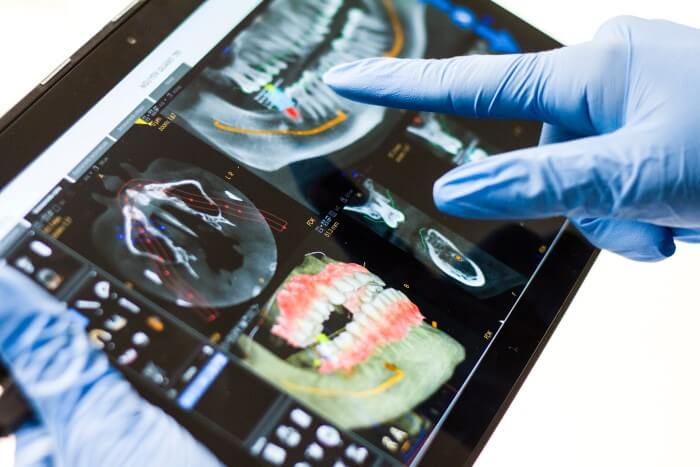
For patients who are unsure whether a condition should be treated now or monitored, a comprehensive dental evaluation helps establish risk, timing, and next steps. This is typically addressed during a new patient consultation.
When Waiting May Be Reasonable
In certain situations, delaying treatment can be appropriate and intentional. Examples include:
- Early findings that are stable and slow-moving
- Changes that show little progression over time
- Situations where treatment carries more risk than benefit in the short term
In these cases, waiting is not avoidance. It is a decision paired with monitoring. Conservative timing still involves follow-up, reassessment, and clear criteria for when treatment would become necessary.
When infection, swelling, fracture, or rapid change is suspected, waiting can reduce predictability and available options. In these situations, prompt evaluation is often recommended.
When Waiting Often Reduces Predictability
In other situations, delaying treatment can increase uncertainty and limit future options. This is more common when:
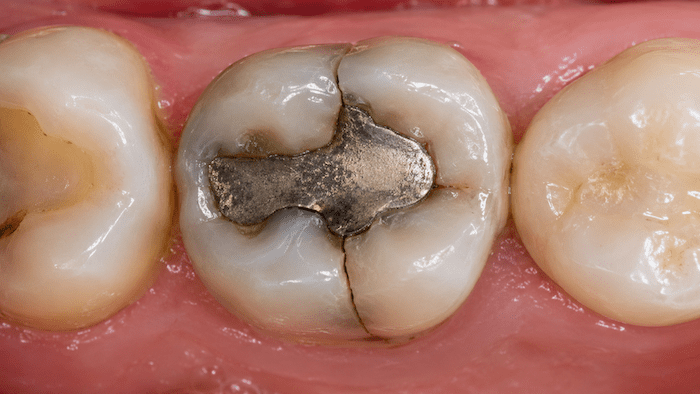
- Decay continues beneath existing fillings or crowns
- Infection is present but not yet painful
- Cracks or fractures are suspected
- Bone loss is occurring around a tooth
Over time, these conditions can lead to:
- Larger or more complex procedures
- Fewer treatment options
- Lower predictability of outcomes
- Greater loss of healthy tooth or bone structure
What may have been manageable earlier can become more difficult later—not because of urgency, but because of progression.
Why Problems Can Change Without Clear Warning
Some dental issues progress quietly.
For example:
- Decay can spread beneath a restoration without visible change
- Infection can advance through bone before causing pain
- Cracks can extend suddenly under normal biting forces
By the time symptoms become obvious, treatment options may already be more limited than they were earlier.
How Dentists Think About Timing
Dentists often frame timing decisions around predictability:
- More predictable now: treatment is more likely to succeed with fewer complications
- Less predictable later: outcomes become harder to control as damage progresses
This does not mean that waiting always leads to failure. It means that uncertainty tends to increase over time, and the margin for conservative options may narrow.
Why Timing Recommendations Can Differ
You may notice that one dentist recommends treating sooner while another suggests monitoring. This can reflect differences in:
- How progression is expected to occur
- How risk is assessed
- How much uncertainty is considered acceptable
- Your preferences and tolerance for future treatment
These differences are usually about judgment, not disagreement about the condition itself.
Questions to Ask When Considering Whether to Wait
If you’re deciding whether to delay treatment, it can help to ask:
- “What signs would indicate this is getting worse?”
- “What would change if we waited six months?”
- “What treatment options might be lost if we delay?”
- “How often should this be re-evaluated if we monitor?”
Clear answers help distinguish intentional monitoring from risky delay.
Framing the Decision
Waiting is not always a mistake, and treating immediately is not always necessary. The key is understanding why a timing recommendation is made and what is expected to change over time.
In some cases, waiting preserves healthy structure and avoids unnecessary treatment. In others, waiting reduces predictability and increases complexity. The difference lies in how the condition is expected to behave—not in urgency alone.
If you are unsure whether monitoring or treatment is appropriate, a clinical evaluation helps clarify risk and timing.
- Patients without pain or sudden change often start with a new patient consultation to establish a baseline and monitoring plan.
- Patients experiencing pain, swelling, infection, or sudden changes may benefit from an urgent evaluation.
For a broader explanation of how dentists evaluate long-term predictability when making recommendations, see How Dentists Decide Whether a Tooth Can Be Saved or Needs Extraction.